

The computer mouse stands as one of the most fundamental tools in modern computing, yet few people know the fascinating story behind its invention. Douglas Engelbart, a pioneering engineer and researcher at the Stanford Research Institute, created the first mouse in 1964 and demonstrated it publicly in 1968 during what became one of the most legendary presentations in technology history. Understanding the origins of this device can help today’s consumers appreciate how far mouse technology has evolved and why investment in quality pointing devices matters.
The Birth of Interactive Computing
In the mid-1960s, Engelbart was leading groundbreaking work in interactive computing at his research laboratory. He recognized that computers needed a more intuitive way for humans to interact with them. His solution was elegantly simple: a small wooden block with a single button on top and two metal wheels underneath that tracked movement across a surface. This humble device would revolutionize how people communicate with machines.
Engelbart’s vision extended far beyond a simple input tool. He believed that the digital revolution represented humanity’s most significant technological leap, comparable to or even exceeding the invention of writing and printing. This bold claim reflected his understanding that interactive computing would fundamentally reshape how people work, learn, and share information.
The Mother of All Demos
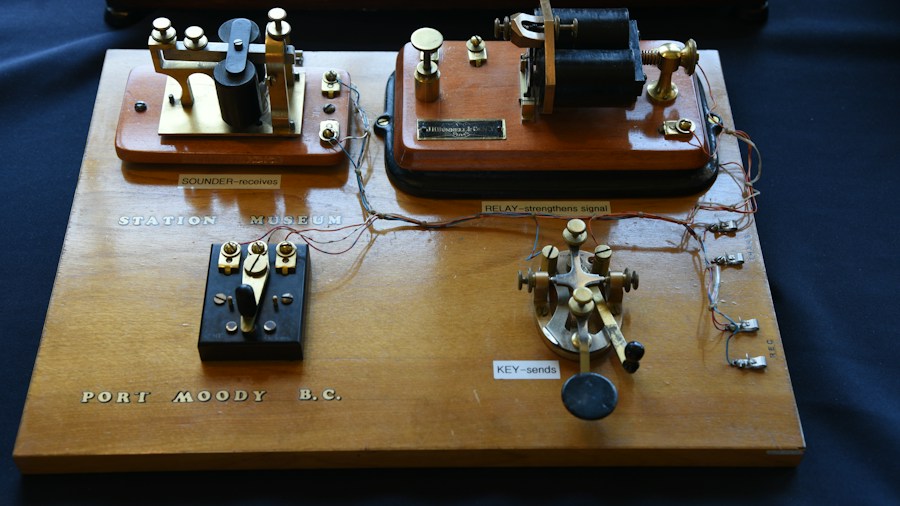
In 1968, Engelbart presented his team’s work in a 90-minute demonstration that showcased numerous technological innovations alongside the mouse. Operating from a computer linked to his research lab thirty miles away, he delivered a presentation that combined spoken segments, live demonstrations, and remote presentations from team members using early teleconferencing technology. For the audience witnessing this event, it was a glimpse into the future of human-computer interaction.
The mouse, while just one element of that landmark demonstration, would become perhaps the most enduring and universal aspect of Engelbart’s legacy. Today’s consumers benefit directly from the foundations he laid, even if modern mice feature wireless connectivity, ergonomic designs, and precision sensors that Engelbart never imagined.
What This Means for Today’s Buyers

Knowing the historical significance of the mouse helps contextualize why quality matters when selecting a pointing device. The basic function remains unchanged from Engelbart’s 1964 design: translate hand movements into cursor control. However, modern mice incorporate decades of refinement and specialization.
For everyday users, this means options tailored to specific needs. Office workers might prioritize comfort and reliability, while gaming mice offer advanced features like customizable buttons and high-precision sensors. Professional designers and video editors often seek mice with extra programmable controls to streamline their workflows.
The evolution from Engelbart’s wooden prototype to today’s sophisticated pointing devices demonstrates how foundational innovations undergo continuous refinement. A quality mouse impacts daily productivity more than many people realize. Poor ergonomics can contribute to wrist strain, while an unreliable device disrupts workflow and creates frustration.
The Evolution Continues
Modern mouse technology reflects Engelbart’s original insight about human-computer interaction. Today’s options include feature-rich gaming models with programmable buttons and wireless technology, ultra-lightweight designs built for competitive gaming, and ergonomic options designed for extended use. The category has fragmented into specialized segments, each serving different user needs.
The principle Engelbart demonstrated remains central to mouse design: the device should disappear into the background of the user’s consciousness, becoming an extension of intent rather than a tool requiring conscious attention. Whether using a traditional wired mouse, a wireless option, or an ultralight model optimized for speed and precision, today’s consumers inherit the benefit of over fifty years of refinement to that core principle.
When shopping for a mouse, consider your primary use case, comfort requirements, and desired features. The most expensive option isn’t always the best choice for every person, but understanding that this humble device has a rich history of innovation and engineering can inform smarter purchasing decisions. Engelbart’s vision of intuitive human-computer interaction lives on every time someone picks up a mouse to work, create, or play.








Write Your Review
No reviews yet. Be the first to share your experience!