

Third Party Tool Unlocks Hidden Performance in Laptop GPUs
A new experimental utility called NvpwrControl has surfaced on GitHub, offering laptop owners a way to push their Nvidia Blackwell graphics cards beyond factory power specifications. The tool, created by developer LevinAI, targets a significant limitation that many gaming laptop buyers face: artificially restricted power delivery that prevents their expensive hardware from running at full potential.
Nvidia’s standard power controls typically cap mobile Blackwell GPUs at around 150W, with an additional 25W available through Dynamic Boost technology. NvpwrControl circumvents these restrictions by modifying low level power policies that manufacturers intentionally keep hidden from end users. The result is substantial performance headroom across the entire GeForce RTX 50 series lineup. Entry level models like the RTX 5050, 5060, and 5070 can reach 140W under the tool’s modifications, while higher end variants like the RTX 5080 and 5090 can scale up to 225W or even 250W in certain systems. The RTX 5070 Ti occupies the middle ground at 180W capability.
Early adopters on community forums have reported measurable benchmark improvements, particularly in synthetic tests like 3DMark. For gamers and creators who bought premium laptops specifically for performance intensive tasks, the ability to access 40W of additional power represents a genuine opportunity to recoup more of their investment.
Significant Technical Risks Come With the Territory
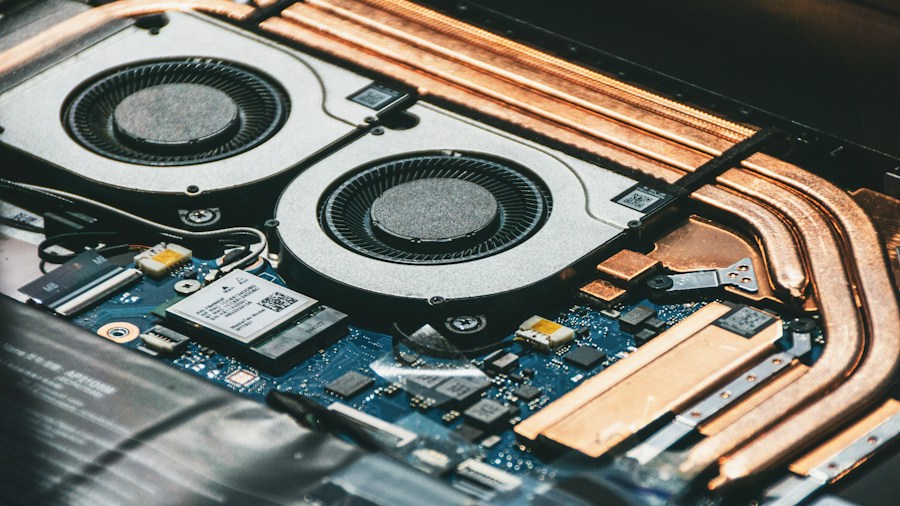
However, this performance unlock comes with real dangers that buyers must understand before attempting it. Nvidia’s power limits exist for solid engineering reasons: they protect cooling systems from overload and prevent power delivery components from failing. Bypassing these safeguards introduces thermal stress and electrical strain that could permanently damage expensive hardware.
Beyond the hardware concerns, using NvpwrControl requires disabling Windows driver signature verification, a security feature that prevents unsigned code from running at the system level. This modification opens the door to potential malware or system instability. The tool also only functions when it detects specific power policy configurations from recognized OEM implementations, meaning it simply won’t work on laptops with non standard power setups.
The development process adds another layer of uncertainty. NvpwrControl relies heavily on AI generated code, and despite rapid progress from community testers, the project remains officially experimental. System stability concerns and questions about long term hardware longevity persist, even among users reporting positive benchmark results.
What This Means for Laptop GPU Buyers
For consumers considering a new gaming or creative laptop, the existence of NvpwrControl raises important questions about your purchase decision. If you’re investing $2,000 or more in a machine with a premium Blackwell GPU, understanding that aftermarket power tuning is possible might factor into your choice, but only if you’re willing to accept technical risk.
The tool also highlights a frustration many power users experience: manufacturers deliberately restrict hardware capabilities to simplify support and reduce warranty claims. As local AI comes to Windows PCs with RTX GPUs, the demand for full performance extraction will only intensify, potentially spurring more community driven solutions like this one.
Before attempting any power limit modifications, honest self assessment is crucial. Do you have the technical knowledge to troubleshoot driver crashes or thermal issues? Are you comfortable potentially voiding your warranty? Is the benchmark performance gain worth the risk of hardware failure? For most casual users, the answer is no. For experienced overclockers and professionals whose work justifies the risk, it may warrant serious consideration after thorough research.
If maximum performance remains your goal without experimental tools, focus your buying decision on laptops with superior cooling solutions and higher OEM power allocations from the factory. Additionally, developments like Nvidia RTX 5500 Pro launch signals major AI focus show that manufacturer support for specialized workloads continues evolving through official channels.
The NvpwrControl story ultimately underscores the gap between what laptop hardware can theoretically deliver and what manufacturers allow in practice. Shoppers should understand this limitation when evaluating options, while recognizing that attempting unofficial modifications carries substantial technical and financial risk that most buyers should avoid.



Write Your Review
No reviews yet. Be the first to share your experience!