

Major Delays Ahead for Next Generation Gaming Graphics Cards
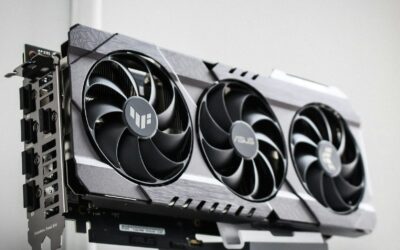
The graphics card market is facing a significant slowdown in innovation timelines. Industry sources indicate that next generation GPU architectures from both major manufacturers will not arrive until 2028, marking a substantial delay from previous release cadences. This means gamers and content creators who were expecting new flagship options in the near term will need to adjust their upgrade plans accordingly.
The delay affects Nvidia’s anticipated RTX 60 series and AMD’s RDNA 5 architecture, both of which have been pushed back substantially from earlier roadmaps. A reported intermediate step from AMD, codenamed AT2 and planned for 2027, may arrive ahead of the full RDNA 5 rollout, though details remain sparse about whether this will serve as a flagship or mainstream entry point for the new generation.
What Changed Since Previous GPU Generations
Just two years ago, industry observers would not have predicted such lengthy gaps between GPU generations. The current situation reflects a fundamental shift in how component manufacturers are allocating their resources and production capacity. The primary culprit is memory scarcity driven by competition from artificial intelligence infrastructure and cloud computing platforms, which have diverted substantial DRAM supplies away from consumer graphics card production.
As memory allocation to AI and hyperscaler projects has intensified, the available supply of RAM for consumer GPU manufacturing has tightened considerably. This supply constraint has already pushed retail prices higher across the current generation of graphics cards, and manufacturers warn that roadmaps will continue to be affected by these ongoing bottlenecks.
Why This Matters for Your Buying Decisions
If you have been considering an upgrade to your current graphics card, this news carries real implications for your timeline and expectations. First, current generation cards will likely remain viable and competitively priced longer than in previous cycles, since manufacturers will not have new products flooding the market in the near term. Second, any planned GPU refresh you were hoping to postpone may become less attractive, as the performance gap between current and next generation hardware will widen significantly.
Nvidia’s previously planned GeForce RTX 50 series Super refresh now faces uncertainty, further complicating the upgrade picture for those waiting for incremental improvements. Professional graphics solutions like the RTX 5500 Pro are signaling where the company’s focus currently lies, with enterprise and AI applications taking priority.
Memory Shortages Reshaping the Industry
The root cause of these delays deserves closer examination. DRAM represents one of the most constrained components in modern electronics manufacturing, and competition for available supply has reached unprecedented levels. AI data centers and cloud infrastructure projects are consuming memory at rates that dwarf consumer demand, giving hyperscale companies significant leverage in negotiations with memory manufacturers.
This reallocation of supply reflects broader market forces beyond any single manufacturer’s control. Both Nvidia and AMD must work within the physical constraints of available memory production capacity, which means strategic decisions about next generation designs must be made years in advance and then adapted as supply realities become clearer.
Planning Your GPU Purchase Strategy
Shoppers should approach GPU buying with a longer perspective now. Since 2028 represents a meaningful wait for next generation architectures, upgrading to a current generation flagship card may be a more economical decision than waiting. The performance benefits of staying current now versus holding out for 2028 releases could justify the investment, especially if your workload demands better gaming frame rates or content creation performance.
Consider also that power optimization solutions and third party tools continue to improve performance of existing hardware, offering additional ways to extend the life of your current system. Meanwhile, local AI applications running on consumer RTX GPUs are expanding the value proposition of current generation cards, meaning your hardware investment may find new uses beyond gaming.
The Bottom Line for Consumers
The 2028 delay for next generation GPUs reshapes consumer expectations significantly. Rather than viewing this as discouraging news, understand it as an opportunity to make more deliberate purchasing decisions. Current generation graphics cards will hold their value and relevance longer than previously expected, memory prices may eventually stabilize as AI infrastructure investments mature, and manufacturers will have more time to develop genuinely transformative architectural improvements rather than iterative refreshes.
If you need graphics card performance now, current options represent your best immediate choice. If you can wait several years, the extended timeline gives manufacturers room to deliver meaningful innovations when they finally do arrive in 2028.





Write Your Review
No reviews yet. Be the first to share your experience!