

Enthusiast Resurrects Damaged Processor Through Expert Repair Techniques
A quarter-century-old Intel Celeron processor recently made headlines when an electronics enthusiast successfully revived it after suffering what appeared to be irreparable damage. The chip had lost one of its critical data pins, and the underlying substrate pad was torn away, rendering the system unable to boot. What makes this story compelling for shoppers is what it reveals about CPU design, repairability, and the potential lifespan of computer processors. The enthusiast’s success demonstrates that even severely damaged chips may have a second life if you have the right skills and patience.
Understanding the Damage and the Challenge
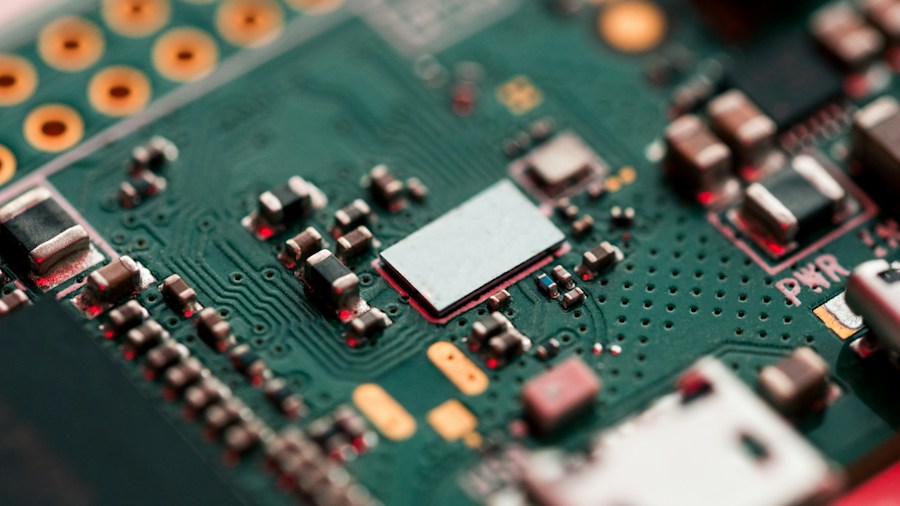
The missing pin on this Celeron processor was not a redundant connection like power or ground, which CPUs sometimes have in multiple locations. Instead, it was a critical data pin (designated D47) essential for system functionality. Without it, the entire system would refuse to power on properly. The damage extended deeper than just the pin itself; the solder pad underneath on the substrate had been torn off as well, meaning a simple solder joint would not work. This situation presented an extreme repair challenge that many technicians would have simply discarded the chip entirely.
The Intricate Repair Process
The repair work required accessing the internal layers of the processor substrate through careful micro-surgery. The technician literally dug into the chip to expose the copper traces beneath the protective green solder mask. The challenge involved several precision steps. First, a solder mask had to be carefully applied to the surrounding area to prevent accidental connections to nearby copper planes that could short the circuit. Even microscopic bridges between layers would cause the CPU to fail.
Once the masking cured, a salvaged pin from another damaged Celeron processor was harvested and prepared. The technician applied flux to the exposed copper area and carefully soldered the donor pin in place, ensuring it made contact only with the correct central pad. Multimeter readings confirmed proper connectivity before the repaired CPU was installed in a test system.
When the System Powered On
The moment of truth arrived when the repaired processor was inserted into its socket and the system powered up. Against the odds, the computer booted successfully. The repair had worked. Benchmark testing confirmed the CPU operated normally, with performance metrics matching expectations for a chip of that generation. In fact, the repaired processor went on to achieve a 33% overclock while maintaining stability at 1,600 MHz, proving it was not only functional but capable of pushing beyond its standard operating parameters.
What This Means for Shoppers Today
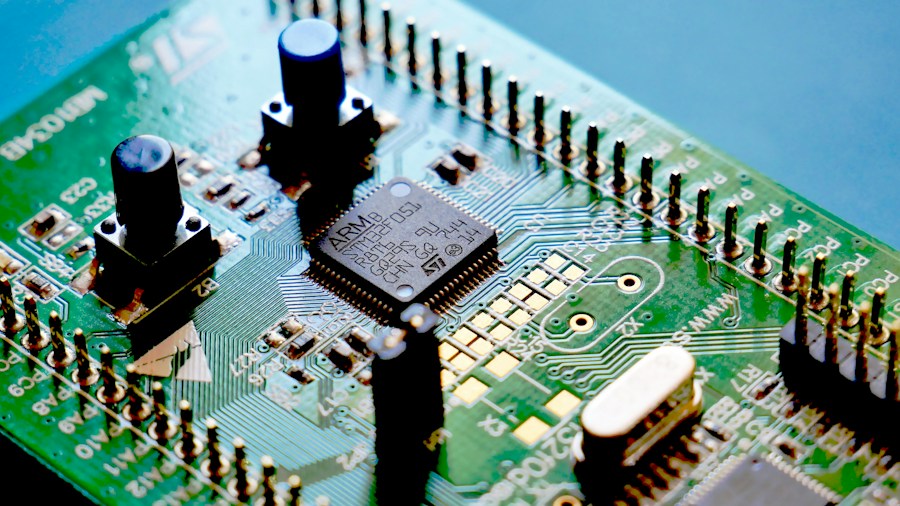
This repair story has several implications for consumers. First, it underscores the robust design of CPU substrate architecture, even in decades-old chips. Modern processors continue to feature similar layered substrate designs that, while complex, can sometimes be repaired by skilled technicians. Second, it highlights why purchasing from reputable sellers with return policies matters; a visibly damaged chip might still be salvageable, but attempting repairs yourself risks complete loss of the processor.
The successful overclock also demonstrates that older CPUs retain untapped performance potential. Many consumers assume older hardware is locked into its factory specifications, but the right conditions and tuning can unlock additional headroom. This is relevant whether you are building a budget system with used components or maintaining legacy equipment.
The Broader Picture for CPU Durability
CPU failures from physical damage are relatively uncommon in typical consumer use. Most processors fail due to electrical issues, contamination, or extreme thermal stress rather than mechanical damage. However, when such damage does occur, this repair case demonstrates that complete loss is not always inevitable. Professional technicians with access to micro-soldering equipment can sometimes work miracles with severely compromised chips.
For average consumers, the takeaway is simpler: handle processors carefully, install them properly in their sockets, and avoid exposing them to static discharge. For enthusiasts and overclockers, staying informed about hardware capabilities helps maximize value from your investment. And if you ever encounter a severely damaged chip, know that expert repair services may be able to help before you resort to replacement.
This successful CPU resurrection ultimately reinforces an important truth: computer processors are precision instruments with impressive durability built into their design, and problems that appear catastrophic may sometimes be overcome with sufficient expertise and care.









Write Your Review
No reviews yet. Be the first to share your experience!