

Eight years ago, Nvidia introduced the GeForce RTX 20 series, fundamentally changing the trajectory of PC gaming graphics. The company released the RTX 2080 and RTX 2080 Ti, positioning them as the entry point into real-time ray tracing for consumer graphics cards. At the time, Nvidia leadership declared this technology would usher in a new era of gaming realism, though the market response proved far more measured than anticipated.
What Ray Tracing Promised and What Actually Happened
When the RTX 20 series launched, Nvidia marketed ray tracing as a revolutionary capability that would transform how games looked and felt. The company claimed the technology represented twenty years of research finally coming to fruition. However, the promise far outpaced the reality. When these cards first became available, game developers had barely begun supporting ray tracing features. Early titles that showcased the technology, such as Battlefield V, Metro Exodus, and Shadow of the Tomb Raider, sparked curiosity but failed to create immediate demand among gamers.
The fundamental problem was straightforward: even with cutting-edge hardware, turning on ray tracing caused noticeable performance drops. Gamers had to choose between visual enhancement and frame rates. Many decided the trade-off wasn’t worth it. This issue persisted for years, affecting not just Nvidia cards but AMD and Intel GPU offerings as well. The performance penalty remained significant even with the latest generation cards in 2026.
Performance and Pricing Reality
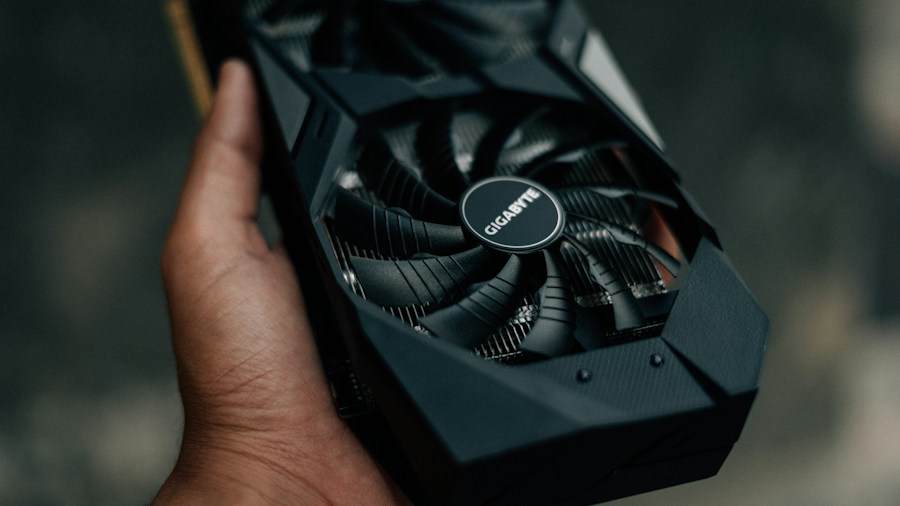
The RTX 2080 launched with an MSRP of $799 for the Founders Edition, though partner models from manufacturers like EVGA, Gigabyte, and MSI often undercut that price at $699. The performance gains over the previous generation GTX 1080 Ti were real but modest. The RTX 2080 Ti, priced at $1,200, offered approximately 26 percent more gaming performance than the GTX 1080 Ti despite a 71 percent price increase. For most gamers, this value proposition simply didn’t align.
The power consumption of these flagship cards also climbed higher, with the RTX 2080 Ti demanding around 280 watts during gaming sessions. This meant buyers needed stronger power supplies and cooling solutions, adding to the total system cost. The GPU market has changed considerably since those early days, with manufacturers continually improving efficiency and value.
How the Technology Finally Matured
While ray tracing adoption was slow initially, the technology did eventually prove its worth. Eight years later, ray tracing has become standard across gaming platforms, from high-end PC graphics to console and mobile games. The shift didn’t happen because developers suddenly embraced it; it happened because the industry made ray tracing impossible to ignore. Every new GPU generation, console title, and mobile game now includes ray tracing as either a standard feature or optional enhancement.
The crucial turning point involved additional technology layers. Nvidia introduced DLSS, or Deep Learning Super Sampling, which allowed gamers to maintain playable frame rates while using ray tracing. AMD developed similar solutions. These upscaling techniques made ray tracing practical for mainstream and budget-conscious buyers, something impossible during the RTX 20 series launch window. Today, technology like DLSS has evolved to work across diverse platforms, making optimization more accessible.
What This Means for GPU Shoppers Today
The legacy of the RTX 20 series launch teaches modern GPU shoppers an important lesson: revolutionary features require patience and supporting ecosystem maturation. If you’re considering a graphics card purchase today, ray tracing support is now table stakes rather than a luxury feature. The technology has become standardized across price points and performance tiers.
Current-generation mainstream GPUs offer better ray tracing performance and efficiency than the original flagship models ever did. The next generation of cards is facing some delays, with major releases now expected to arrive later than originally scheduled. This means existing cards will hold their value longer, making it a reasonable time to upgrade if your current system is aging.
The RTX 20 series cards have largely disappeared from relevance in 2026, no longer appearing on current GPU hierarchy rankings. However, the generation that followed, the RTX 3070, offered near-equivalent performance to the RTX 2080 Ti flagship at just $499. This price-to-performance shift demonstrates how rapidly GPU technology advances and how quickly flagship products can become obsolete.
For anyone shopping today, the takeaway is clear: consider your actual gaming needs rather than chasing ray tracing bragging rights. The technology works well now with proper support, but mainstream gaming still doesn’t universally demand high-end ray tracing quality. Smart shoppers focus on real-world gaming performance at their target resolution and frame rate.





Write Your Review
No reviews yet. Be the first to share your experience!