

Sonos Elevates Its Flagship Headphones with Key Upgrades
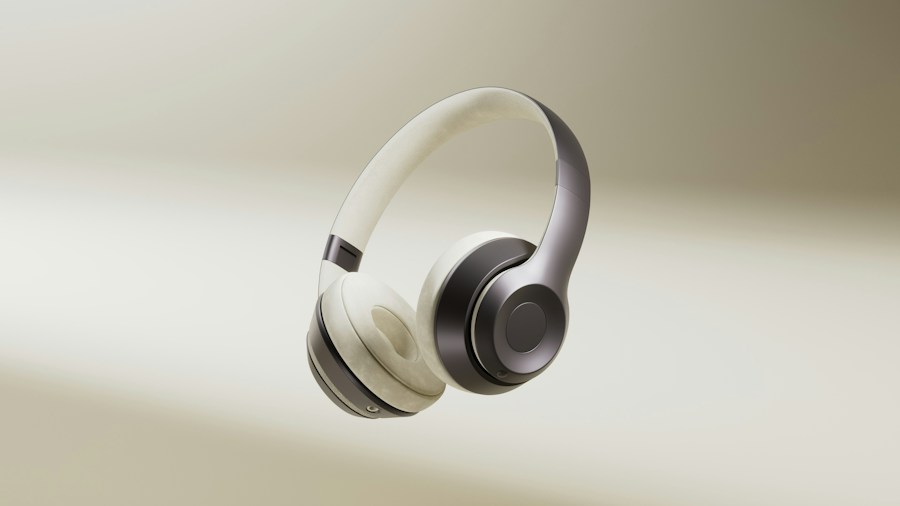
Sonos has introduced the Ace Ultra, a refreshed take on its premium headphone line that arrives with meaningful improvements designed to justify its 449 price tag. Released in late September 2026, these over-ear headphones bring a more customizable audio experience and practical upgrades that set them apart from the original Ace model.
What Has Changed from the Original Model

While the Ace Ultra maintains the same overall design language as its predecessor, Sonos has focused on upgrades that matter in daily use. The most significant addition is an 8-band EQ system that replaces the basic bass and treble controls of the original headphones. This expanded control lets you fine-tune your sound across eight separate frequency bands, or stick with simpler presets if you prefer a quick adjustment. For those seeking more precision, an Advanced EQ mode gives you granular control, while Adaptive EQ automatically adjusts the sound based on how the headphones fit on your head.
Another standout feature is the replaceable battery. When the internal battery eventually wears out after years of use, you can purchase an official replacement kit rather than having to buy an entirely new pair of headphones. This is not a simple swap, as you’ll need basic tools and comfort opening the earcup, but the option extends the lifespan of your investment considerably. Sonos has also made the ear cushions magnetic and easily replaceable, so normal wear and tear doesn’t force an expensive replacement.
Premium Build Meets Practical Comfort
At 322 grams, the Ace Ultra are on the heavier side compared to some rivals like the Sony WH-1000XM6, which weighs around 254 grams. However, testing shows that the extra weight is distributed well and doesn’t create fatigue during extended wear. The headband and earcups feature soft, responsive cushioning that maintains its shape, and the clamping force feels balanced. One consideration: the earcup interior is slightly tight for people with larger ears, though this may not affect most users.
The build quality conveys a premium feel throughout, mixing durable plastic and metal components. Sonos includes a quality travel case with a removable magnetic cable pouch, plus USB-C to 3.5mm cables for both wired and analog connectivity. This is a thoughtful inclusion that eliminates the need to buy extra cables. The only drawback is the lack of an IP rating for water or dust resistance, so exposure to rain or moisture carries some risk.
Excellent Noise Cancellation and Sound Control
The Ace Ultra’s active noise cancellation achieves approximately 88 percent perceived noise reduction in testing, putting it at the same level as top competitors from Apple and Sony. Real-world performance is strong: traffic noise and ambient sound are effectively suppressed during city travel or flights. The Aware Mode passthrough feature lets you hear your surroundings when needed, and you can customize which noise control modes a physical button cycles through via the Sonos app.
Battery life runs to about 36 hours with ANC active, exceeding Sonos’ official estimate of 35 hours. A three-minute rapid charge delivers up to three hours of listening time, helpful for quick top-offs before a commute. The Sonos app provides extensive customization options, including Sidetone for hearing your own voice during calls and Voice Boost to amplify surrounding voices in Aware Mode.
Sonos Integration Unlocks Extra Value
Features like TV Audio Swap and Headphone Linking shine if you already own Sonos speakers around your home. TV Audio Swap transfers audio from a compatible Sonos soundbar to the headphones in seconds, while Headphone Linking lets you move music between the headphones and compatible Sonos products over Wi-Fi. The headphones also support spatial audio with head tracking for compatible content. These features work best within an existing Sonos ecosystem. If you already own audiophile-grade headphones from other makers, or prefer a standalone product, these ecosystem benefits may not apply to your situation.
Connectivity includes Bluetooth 6.0 with aptX Lossless support for higher-quality wireless streaming, plus Bluetooth multipoint to stay connected to two devices at once. The addition of Wi-Fi connectivity enables those Sonos-specific features, though it cannot operate as a standalone Wi-Fi streamer. Testing confirms stable wireless connections without annoying dropouts or stutters during normal use.
The Value Question
At 449, these headphones compete directly with models from Bose, Sony, Apple, and Sennheiser. For Sonos owners, the ecosystem integration and new audio control features provide genuine added value. For those outside the Sonos ecosystem, the headphones stand on their own merits: they deliver excellent ANC, a premium build, clear call quality, and now much more sound customization than before. The replaceable battery and cushions are uncommon at this price point, showing Sonos’s commitment to durability.
However, shoppers without Sonos products at home might find better value in alternatives. The Sony WH-1000XM6 and Sennheiser Momentum 5 Wireless offer comparable ANC and audio performance without the ecosystem tie-in. Before committing to the Ace Ultra, consider whether you’ll realistically use the Sonos-specific features or if you simply want premium headphones that happen to work well standalone.









Write Your Review
No reviews yet. Be the first to share your experience!