

A Modder Just Unlocked Nvidia Pascal Cards for Decades-Old Windows XP Systems
Retrocomputing enthusiasts just gained a significant advantage thanks to a community-driven project that brings support for Nvidia’s Pascal-generation GPUs to Windows XP 32-bit. The effort, led by a modder known as SupraGSX, creates custom driver versions that unlock compatibility with modern displays and connectivity standards on systems running an operating system that officially reached end-of-life over a decade ago.
For those who enjoy building or maintaining retro systems, this development opens the door to pairing older hardware with contemporary peripherals. Modern monitors often come equipped with DisplayPort and HDMI 2.0 connectors, features that the original Windows XP drivers never anticipated. The new custom drivers bridge that gap, enabling users to connect their vintage systems to today’s high-refresh and high-resolution displays without workarounds or compatibility headaches.
Which GPUs Now Work, and What Features They Gain
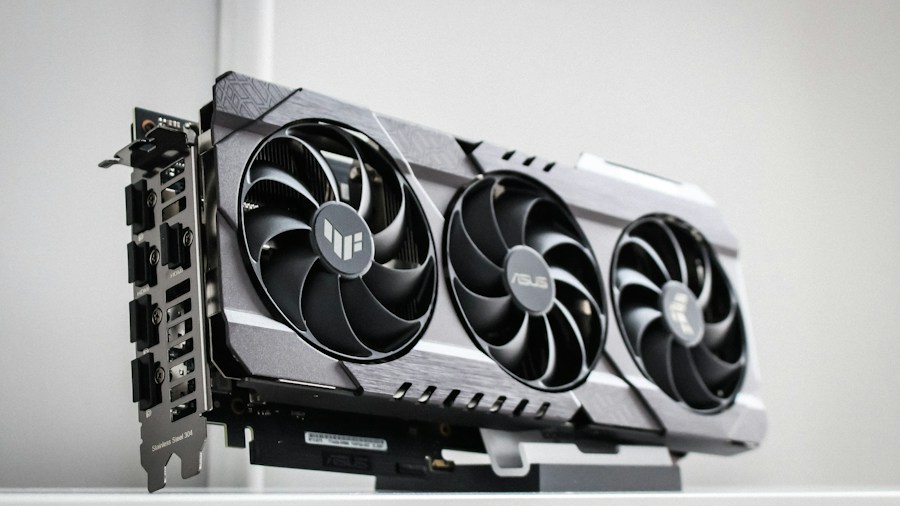
The modded drivers support a substantial portion of Nvidia’s Pascal lineup, including the GTX 10-series cards from the GeForce family alongside professional Quadro models ranging from P2000 through P6000. Maxwell-generation cards like the GTX 970, 980, and 980 Ti also function with the driver, making the compatibility list fairly comprehensive for enthusiasts shopping used GPU markets. An experimental build even extends support to the GTX 1050 Ti, though the GT 1030 remains unsupported due to its different GPU architecture.
Beyond basic GPU detection, the custom drivers incorporate several modern connectivity features that shoppers should understand. DisplayPort HBR2 and HBR3 support allows these older systems to take advantage of higher bandwidth connections. HDMI 2.0 identification ensures that displays using HDMI standards don’t experience mode negotiation failures. The package also includes improved scaling and aspect ratio handling in the Nvidia Control Panel, letting users properly configure their displays rather than dealing with stretched or letterboxed output.
Early testers report strong results with ultrawide monitors running at high refresh rates, suggesting the driver handles demanding display configurations reliably. The implementation pulls code from multiple official Nvidia driver versions, combining features from the 368.81 Windows XP driver, Quadro 376.84 firmware, and Windows 7’s 378.78 release to achieve this expanded compatibility.
What This Means for Retro PC Builders and Vintage System Shoppers
If you’ve considered breathing new life into an old Windows XP machine, this development removes a major practical obstacle. Retro computing enthusiasts often struggle with display support, since finding old monitors and adapters becomes increasingly difficult and expensive. The ability to use contemporary displays eliminates one of the biggest pain points in maintaining legacy systems. Whether you’re reviving a gaming rig to play classic titles or restoring a workstation for nostalgia, modern monitor compatibility matters significantly.
For shoppers in the used GPU market, this expands your buying options considerably. Previously, sourcing a compatible video card for Windows XP meant hunting down specific driver-supported models, often at premium prices. Now you can confidently purchase Pascal-generation cards knowing they’ll work with enhanced features on your retro system. The broader GPU selection also translates to better pricing on the secondhand market, where older GPUs trade hands regularly.
It’s worth noting that modern GPU choices continue to evolve for contemporary systems, but for retrocomputing specifically, this Pascal support opens up gaming and productivity possibilities that seemed locked away.
Installation and Safety Considerations
The drivers are freely available through the project’s repository, with installers ready for download. The developer provides detailed build instructions for those who want to compile custom versions. However, since these remain unofficial drivers not authorized by Nvidia, you should approach installation carefully. Reserve testing for systems where data loss would not be catastrophic, and consider the risks before installing on machines storing important files.
SupraGSX actively maintains the project and accepts bug reports and feature requests through the Vogons forums, a community hub for retrocomputing. If you encounter issues or need specific functionality, the developer appears engaged and responsive. Those interested in 64-bit Windows XP support should note that a fork addressing that version previously existed, though binaries may be available through alternative sources if you search carefully.
For shoppers looking to combine retro hardware with modern convenience, understanding how GPUs handle modern software helps inform your purchasing decisions across different system generations. This Pascal driver project demonstrates that enthusiasts continue finding creative solutions to bridge the gap between legacy and current technology, expanding what’s possible with older systems.







Write Your Review
No reviews yet. Be the first to share your experience!