

Aging PS5 Consoles Face Serious Overheating Risk from Thermal Compound Breakdown
A troubling discovery by a console repair technician has exposed a potential hardware defect affecting older PlayStation 5 systems. The issue centers on a chemical reaction between the liquid metal thermal interface and the console’s heatsink, a critical cooling component responsible for managing heat from the main processor. When this reaction occurs, the liquid metal transforms from a high-performance paste into a hard, crusty residue that no longer conducts heat effectively, leaving the system severely vulnerable to overheating.
What Happened to This PS5
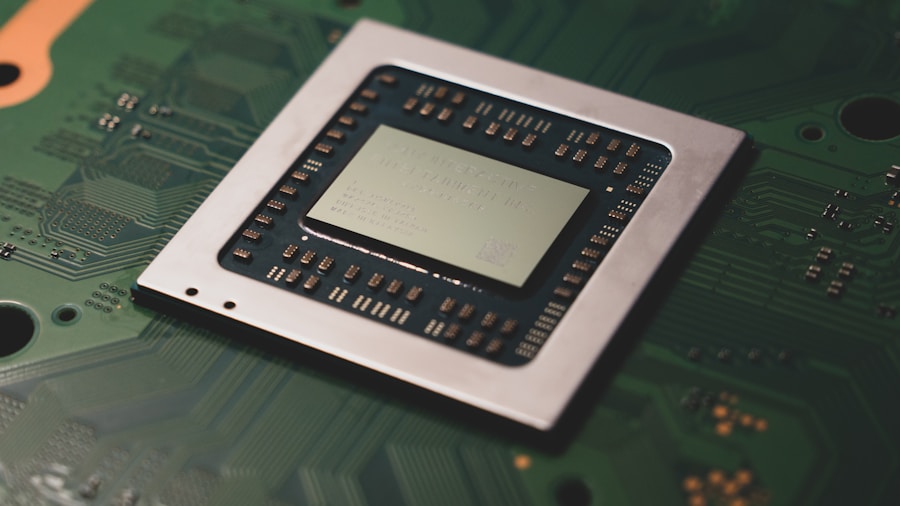
The technician encountered a PlayStation 5 from the CFI-1116 series, released in August 2021 as part of Sony’s first major hardware overhaul. Upon opening the console for routine maintenance, they discovered that the liquid metal compound had reacted with the heatsink’s base plate, creating a thick, rock-solid crust that could not be removed with gentle cleaning methods. The discoloration visible around the chip suggested the system had already experienced multiple thermal stress cycles, indicating the problem had been developing for some time.
When the technician attempted to scrape away the hardened residue, they found the effort left permanent damage to the heatsink itself. This damage creates a catch-22 for repair: simply reapplying fresh liquid metal could trigger the same chemical reaction all over again, potentially leading to the same failure within a much shorter timeframe. The root cause appears to be a reaction between gallium, a key ingredient in liquid metal compounds, and the metals used in the heatsink’s construction. Gallium is known to corrode aluminum and copper, which is why most devices using liquid metal employ a protective nickel coating at contact points.
What This Means for Your Console
The critical concern is the age of affected units. Consoles from this 2021 revision are now five years old, placing most of them well outside Sony’s warranty coverage. If this problem turns out to be widespread rather than an isolated incident, thousands of PlayStation owners could face expensive repair bills or total hardware failure with no manufacturer support available.
The good news is that later revisions appear to have resolved the issue. According to the technician’s investigation, newer PlayStation 5 models, including the PS5 Slim and PS5 Pro, feature improved heatsink protection that prevents this type of corrosion. Additionally, if your console was manufactured more recently, you likely have nothing to worry about. The problem appears isolated to specific production batches from the 2021 era.
Signs Your PS5 Might Be Affected
- Your console is noticeably louder than when you first bought it, with the fan running constantly even during light gaming
- Games crash or stutter unexpectedly, especially during demanding titles
- The console feels extremely hot to the touch on the exterior
- You own a CFI-1100A revision model from 2021
If you experience any of these symptoms, you should have your system checked by a qualified technician before attempting any repairs yourself. Understanding how quality heatsink design works and the importance of protective coatings can help you appreciate why this chemical reaction represents such a serious problem.
What About Repairs and Alternatives
For affected consoles, repair options are limited but emerging. Some technicians are exploring alternative thermal interface materials like PTM7950 phase-change material, which has gained traction among PC users and enthusiasts. Unlike traditional liquid metal, this material arrives as a solid patch at room temperature, making it easier and safer to apply. It melts into a high-performance liquid thermal conductor once the processor heats up past 45 degrees Celsius during operation.
Phase-change materials avoid the corrosion risk because they do not contain gallium and work through a different thermal transfer mechanism. However, using such alternatives on a previously damaged heatsink may not provide optimal long-term performance, as the scarring affects contact quality.
The ultimate solution for many affected owners may be replacing the heatsink entirely, though this requires disassembling the entire console and carries some risk if you are not experienced with electronics repair. Many owners are opting to contact third-party repair shops familiar with this specific issue rather than attempting DIY solutions.
This situation underscores the importance of using properly engineered thermal solutions and protective coatings in high-performance electronics. As gaming consoles push processing power to new limits, the thermal interface between the processor and the heatsink becomes ever more critical to reliability and longevity.









Write Your Review
No reviews yet. Be the first to share your experience!