

A significant shift in the graphics card market is reshaping how data center operators and buyers think about GPU longevity and value retention. CoreWeave, a major cloud computing provider specializing in GPU infrastructure, recently disclosed that older Nvidia A100 processors from 2020 remain profitable and in high demand, with contracts extending through 2029. This development carries important implications for how long premium graphics processors hold their value and continue delivering returns on investment.
What Happened: Long Contracts for Legacy Hardware
During its second-quarter earnings announcement, CoreWeave reported substantial growth with quarterly revenue reaching 2.58 billion dollars, representing a 112 percent year-over-year increase. More notably, the company revealed that it has secured customer contracts for Nvidia A100 graphics processors that extend into 2029, meaning the 2020-era Ampere architecture chips will still be under active use nine years after their initial release. Chief Executive Mike Intrator stated that pricing for older generation graphics card models remains at or above historical levels from previous years, indicating steady demand despite the availability of newer alternatives.
This arrangement challenges conventional assumptions about GPU depreciation and useful lifespan. Industry observers have previously debated whether graphics processors become obsolete within one to six years, with some analysts suggesting that aggressive depreciation estimates may not align with real-world deployment patterns. The CoreWeave contracts provide concrete evidence that nine year old silicon can remain commercially viable and profitable.
The Infrastructure Constraint That Keeps Old GPUs Valuable

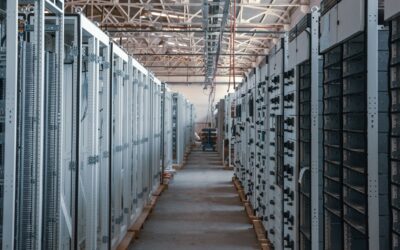
One primary reason older graphics cards remain economically attractive involves power delivery and cooling infrastructure limitations. Current flagship systems like Nvidia’s GB200 and GB300 racks demand between 120 and 140 kilowatts of power and require sophisticated direct-to-chip liquid cooling solutions. By contrast, earlier generation systems such as air-cooled A100 configurations consume only 6.5 kilowatts at peak load and fit within legacy data center facilities designed for approximately 20 kilowatts per rack.
This infrastructure mismatch means newer hardware cannot simply replace older equipment in existing facilities without major capital expenditures on power systems and cooling infrastructure. Consequently, deploying modern graphics processors in older data center buildings would require costly upgrades that many operators prefer to avoid. The result benefits owners of older GPU fleets: instead of sitting idle, these machines generate continuous revenue by serving customer workloads, even when more advanced alternatives exist elsewhere.
Market Implications for Buyers and Investors

Understanding this dynamic matters for several audiences. Data center operators considering graphics card purchases need to recognize that infrastructure compatibility significantly impacts total cost of ownership. A newer, more powerful GPU may require substantial facility upgrades that older models avoid. Meanwhile, resale markets for graphics cards may remain healthier than previously anticipated if corporate demand continues supporting older architectures.
CoreWeave reported that its contracted power capacity reached 4.2 gigawatts as of the announcement, compared to just 1.5 gigawatts of power currently online, indicating that customer commitments exceed three times the company’s present operational capacity. Additionally, the firm noted that pricing for older graphics cards available for renewal remains at or above levels from the prior year, suggesting sustained market demand.
The ability to extend useful life on graphics card deployments also affects financing and depreciation schedules in the broader technology sector. If premium processors can generate profit nine years after initial launch, financial projections and equipment valuations may need adjustment to reflect this longevity. This becomes especially relevant as organizations invest in protective measures for expensive graphics hardware to maximize operational lifespan and reliability.
What This Means for Your GPU Decisions
If you are evaluating graphics card purchases for computing projects, consider both performance requirements and facility constraints. A marginally older GPU that matches your existing infrastructure may deliver superior economics compared to forcing adoption of cutting edge hardware that demands costly facility modifications. The CoreWeave contracts demonstrate that this approach works at enterprise scale.
Similarly, if you own or manage data centers with legacy equipment, recognize that older generation graphics processors retain significant economic value. Rather than assuming rapid obsolescence, evaluate actual workload requirements and infrastructure capabilities before upgrading. The market clearly values older silicon when it satisfies real customer needs and fits within power and cooling boundaries. This reality stands in contrast to marketing narratives suggesting buyers constantly require the absolute latest technology to remain competitive.




Write Your Review
No reviews yet. Be the first to share your experience!