

A hardware enthusiast recently demonstrated something that challenges conventional thinking about mobile devices and gaming computers. By taking a flagship smartphone and attaching two full-size desktop CPU coolers to its sides, they created a working system capable of running demanding PC games. The experiment raises important questions about thermal limitations and what modern smartphone processors can actually deliver when heat dissipation isn’t a constraint.
The Experiment: A Smartphone Becomes More Than Mobile
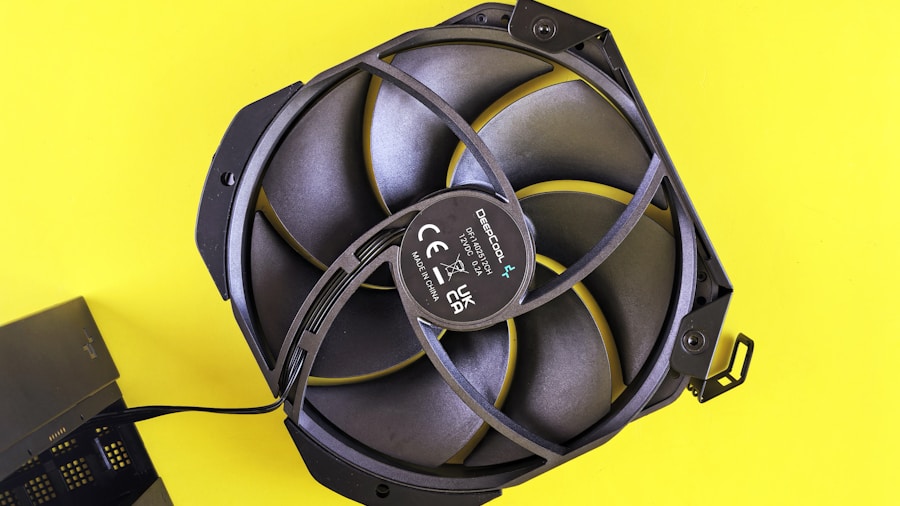
The project started with the ZTE Nubia Z70 Ultra, a high-end smartphone featuring Qualcomm’s Snapdragon 8 Elite SoC, 24GB of RAM, and 1TB of storage. The creator stripped the device down to its core components, removing the camera hardware, cellular radios, and display, then mounted it between two desktop-grade heatsinks mounted on custom acrylic frames. The result resembles a miniature desktop PC more than a portable phone.
The goal was straightforward but ambitious: determine whether a smartphone processor could function as a complete computing platform when thermal issues were eliminated. The creator wanted to test whether one device could simultaneously run Android, desktop Linux, Windows applications, and PC games without requiring a separate laptop or gaming rig.
Performance Results That Surprise
The numbers show what thermal constraints typically hide. In 3DMark Wild Life Extreme stress testing, the modified device achieved a 99 percent stability score across 20 consecutive loops. Individual scores ranged from 6,910 to 6,980, a difference of just 70 points, demonstrating exceptional consistency during sustained workloads. For comparison, this performance level slightly exceeded an unmodified Samsung Galaxy S25+ running the same processor.
Most impressively, the system successfully ran The Witcher 3 at 1080p resolution using ultra-quality graphics settings, delivering 20 to 30 frames per second. The GPU operated at approximately 99 percent utilization throughout gameplay, with certain scenes exceeding 30 FPS. While this performance doesn’t match the best high FPS gaming PCs, it demonstrates that smartphone processors can handle serious gaming workloads when cooling isn’t limited.
The Reality Behind Thermal Throttling
Modern smartphones contain processors nearly as powerful as budget gaming computers, but heat dissipation has always been the bottleneck. Manufacturers must compress high-performance silicon into chassis thin enough to fit in a pocket, forcing processors to throttle performance under sustained load to prevent overheating. This project visually demonstrates what’s often invisible to consumers: smartphones are artificially performance-limited by their physical form factor.
The creator achieved sustained performance by giving the Snapdragon 8 Elite substantially more thermal headroom than traditional phone designs provide. The desktop coolers, while completely impractical for mobile use, proved that the processor had far more capability than its standard enclosure allowed.
What This Means for Gaming PC Shoppers
This experiment has several implications worth understanding. First, it shows that smartphone processors have narrowed the performance gap with dedicated gaming hardware more than many consumers realize. However, it also reinforces why traditional gaming computers remain necessary. Running Windows games through compatibility layers like Wine and Box64 introduces overhead and complexity that dedicated gaming systems eliminate. Prebuilt gaming PCs under $1000 continue to offer superior gaming performance, compatibility, and user experience compared to makeshift solutions.
The project also highlights why gaming PC prices reflect more than just component costs. Proper cooling, case design, power delivery, and software optimization all contribute to real-world performance. A smartphone strapped to desktop coolers works in a laboratory setting but couldn’t replace an actual gaming computer for practical daily use.
Can Phones Become Gaming PCs?
While the experiment succeeded technically, it underscores why dedicated gaming computers exist. Smartphones excel at portability, everyday tasks, and casual gaming, but thermal limitations prevent them from sustaining the performance that PC games demand. The creator’s solution, while creative, transforms a pocket device into something requiring a desk setup and external peripherals anyway.
For shoppers deciding between mobile gaming and investing in gaming PC options, this project provides a clear lesson: smartphone processors can do more than manufacturers allow, but that doesn’t make phones practical replacements for computers. The performance ceiling exists not because processors aren’t powerful enough, but because of the engineering realities of fitting powerful components into thin devices.
The real takeaway is that smartphone processors are impressively capable when physical constraints are removed, yet this demonstration also explains why purpose-built gaming computers deliver better value and performance for serious gaming enthusiasts.






Write Your Review
No reviews yet. Be the first to share your experience!