

Intel has confirmed that older Raptor Lake processors will remain a cornerstone of its product lineup for years to come, signaling strong commitment to the LGA 1700 socket platform. According to Intel’s leadership, the sudden spike in interest for these chips stems directly from budget-conscious buyers seeking the best performance without paying premium prices for DDR5 memory upgrades.
Why Raptor Lake Demand Is Skyrocketing
The driving force behind the resurgence is straightforward: DDR5 memory prices remain elevated, making it expensive for consumers to build or upgrade systems around newer platforms. When faced with higher overall system costs, buyers are gravitating toward Raptor Lake CPUs paired with DDR4 motherboards as a practical alternative. Intel confirms this was not anticipated when production planning began, resulting in a mismatch between inventory and demand.
Raptor Lake chips continue to deliver excellent gaming and productivity performance. Recent testing shows that core i7 models from this generation match or exceed older high-end AMD processors in gaming workloads, while providing superior performance in general applications. However, the shortage has created pricing volatility that frustrates shoppers seeking stable market conditions.
Current Pricing and Availability Issues
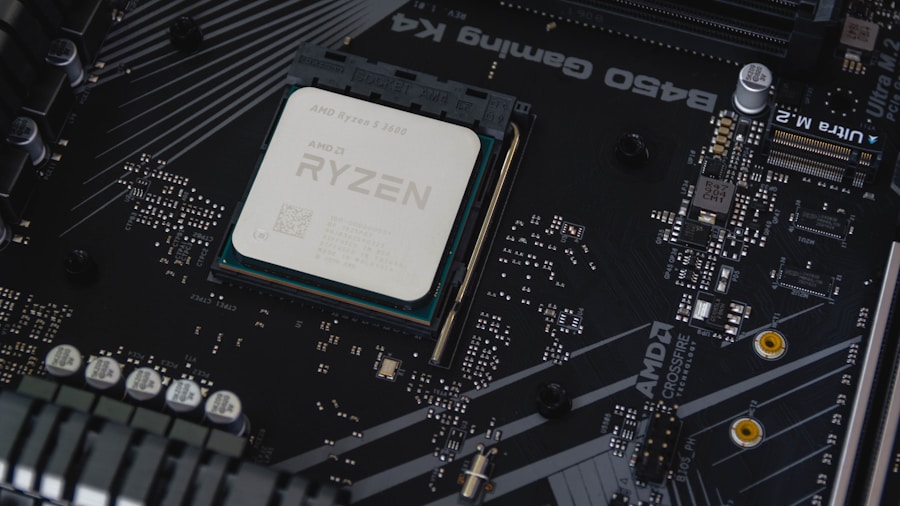
The numbers tell a concerning story for consumers hunting for deals. The Core i5-14600K, which traded hands for $200 or less throughout much of the previous year, now commands $250 to $262 depending on retailer and availability. The higher-tier Core i7-14700K has similarly climbed from sub-350 dollar pricing to $380 or more, with frequent stockouts making purchases difficult. This volatility makes budgeting for a new system frustrating and unpredictable.
Motherboard availability also presents a barrier. DDR4-based LGA 1700 boards were initially treated as transitional products when Raptor Lake first launched, as manufacturers pushed DDR5 adoption. Consequently, inventory levels remain limited compared to demand. Recent announcements indicate board manufacturers are ramping production to address this shortage, with new models hitting the market to support budget-conscious builders.
What Intel Plans to Do About Supply
Intel’s vice president overseeing the enthusiast channel business has pledged to smooth out pricing and supply inconsistencies over time. The company is actively working to increase Raptor Lake inventory and normalize prices back to historical levels. Additionally, Intel is preparing refresh variants known as Raptor Lake Next, expected to launch in early 2025, which should inject fresh supply into the market.
The commitment extends beyond desktop chips. Intel continues manufacturing 10nm processors for embedded applications, demonstrating ongoing investment in the architecture. This sustained production capability suggests Raptor Lake will remain available as a viable option well into the future, contrary to earlier speculation about abrupt discontinuation.
Should You Buy a Raptor Lake System Now or Wait

The recommendation depends on your timeline and budget flexibility. If you need a computer immediately and want DDR4 affordability, current Raptor Lake options still offer strong value despite elevated prices, though not at the discounts available just months ago. Performance remains excellent for gaming and most professional tasks.
Alternatively, waiting for Raptor Lake Next refreshes in early 2025 could yield better pricing and availability. Increased supply from multiple sources, combined with competitive pressure from AMD and Intel’s newer architectures, may push prices downward. Understanding the competitive CPU landscape helps inform purchasing decisions, especially when evaluating different architecture generations.
Intel’s assurance that Raptor Lake remains viable for years provides confidence that your investment will not become obsolete quickly. The LGA 1700 socket continues receiving motherboard support from all major manufacturers, ensuring upgrade pathways exist if you choose to add components later.
The Broader Market Implications
This situation highlights how memory pricing ripples across the entire PC ecosystem. When DDR5 becomes expensive relative to DDR4, entire market segments shift. Manufacturers scramble to adjust production ratios, supply chains struggle to keep pace, and consumers face temporary pricing chaos.
Industry observers note that such disruptions are difficult to predict far in advance, as production schedules are locked in months before demand patterns become clear. Staying informed about CPU developments helps you navigate market volatility more effectively. Intel and the broader industry are reportedly adjusting strategies to segment mainstream and enthusiast offerings more deliberately, potentially preventing similar shortages in the future.
For shoppers, the takeaway is simple: Raptor Lake remains a solid choice, prices and availability should stabilize within months, and Intel’s public commitment to the platform suggests reliable long-term support and continued supply.









Write Your Review
No reviews yet. Be the first to share your experience!