

A viral video from a repair shop in Vietnam has sparked important conversations among PC builders about power supply safety and quality standards. The footage shows a VSP MEGA MAX VS750D power supply bursting into flames the moment it is connected to a standard wall socket. While the technician working on the unit managed to quickly disconnect it and prevent serious injury, the incident raises critical questions about how consumers can protect themselves when purchasing and testing power supplies.
What Happened in the Video
The incident occurred at a service center where the power supply had been sent in for warranty service. A technician removed the unit from its box, held it steady, and plugged the power cord into the back of the PSU. Within seconds of making that connection to the wall socket, visible sparks erupted from the device, followed immediately by flames. The technician, though startled, maintained composure and unplugged the cord from the wall socket, then attempted to extinguish the fire by blowing on it and picking up the unit in his bare hands. The entire sequence was captured on the facility’s security cameras.
The aftermath revealed a severely scorched interior, with clear damage to the power supply’s electronic components. The technician was barefoot during the process, which some observers noted as an additional safety concern, though wooden flooring likely prevented serious injury from falling debris.
Why This Matters for PC Buyers
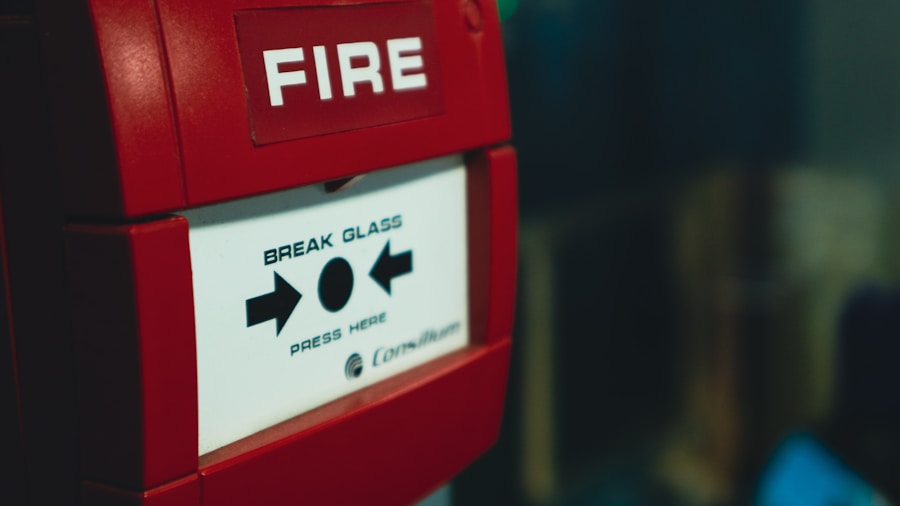
The VSP MEGA MAX VS750D carries an 80+ White efficiency rating, placing it at the lower end of performance standards. Efficiency ratings indicate how well a power supply converts alternating current from your wall socket into direct current for your PC. Lower ratings mean greater energy waste and typically indicate less rigorous quality control during manufacturing. When shopping for components like socket-compatible motherboards and matched power supplies, efficiency ratings should be a key consideration.
Industry experts suspect the failure stemmed from a fundamental component problem within the power supply. The most likely culprit is a failed bridge rectifier, which normally converts AC voltage into DC voltage, or a faulty MOSFET that regulates that voltage into usable levels for different PC components. Either failure would create an internal short circuit, explaining why sparks appeared immediately upon connection to the wall socket, before the technician even had the chance to power the system on.
Red Flags When Choosing a Power Supply
This incident underscores why budget-conscious PC builders should exercise caution when selecting power supplies. Here are several warning signs to watch for when shopping:
- Efficiency Ratings: Always choose at least 80+ Bronze or higher. Avoid 80+ White units, which face minimal manufacturing oversight.
- Unknown Brands: Stick with established manufacturers with proven track records. Research reviews from reputable testing sources before purchasing.
- Suspiciously Low Prices: Power supplies are not the place to save money. A failed unit can damage your motherboard, processor, and other expensive components, making a cheap PSU a false economy.
- Limited Warranty: Reputable manufacturers back their products with extended warranties, typically three to five years.
Modern quality power supplies include multiple safety features designed to prevent exactly what happened in this video. Comprehensive shielding, proper isolation of circuit boards, and advanced protective circuits should prevent internal shorts from reaching dangerous levels. The VSP unit’s failure to include adequate protections is a major red flag about its overall build quality.
Best Practices for Testing New Hardware
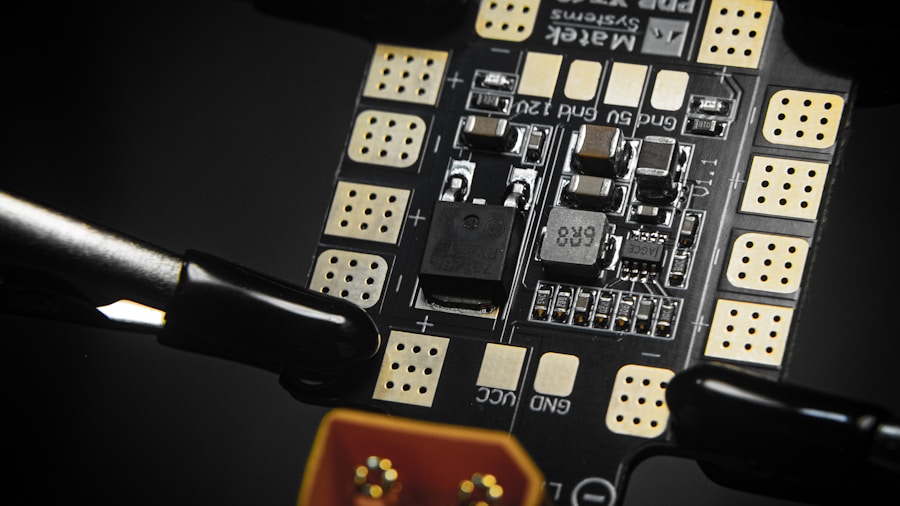
If you ever need to test a power supply or any electrical component, follow these safety guidelines: use a proper power outlet with a functioning circuit breaker that can cut power instantly if something goes wrong. When evaluating components like those designed for modern socket configurations such as AM5, always consult manufacturer documentation and consider using a power supply tester rather than plugging directly into your system.
Never attempt to handle burning electrical components with your bare hands, even briefly. Wear appropriate personal protective equipment, including safety glasses and gloves. Most importantly, have a fire extinguisher rated for electrical fires nearby when testing unfamiliar or suspicious hardware.
What This Means Going Forward
Quality power supplies protect every component in your PC. A single failure can cascade through your entire system, destroying a motherboard, graphics card, processor, and RAM in seconds. The VSP incident serves as a stark reminder that when selecting your PC power supply, choosing a reputable brand with solid efficiency ratings and reliable customer reviews is not optional. Your entire investment depends on it. When evaluating platforms and components, such as premium motherboard options, ensure your chosen power supply matches the quality and reliability of the rest of your build.




Write Your Review
No reviews yet. Be the first to share your experience!