

Law enforcement authorities in Mexico recently dismantled a large-scale illegal cryptocurrency mining operation in the mountain town of Tlaola, located in Puebla’s Sierra Norte region. The raid, conducted by federal authorities, the Navy, and state police, revealed a sophisticated setup that seized approximately 300 graphics processing units (GPUs), along with industrial-grade power infrastructure and satellite communication equipment. This discovery marks the fourth major crypto farm bust in the same region within roughly a year, underscoring how organized crime has increasingly turned to GPU-powered mining as a revenue stream.
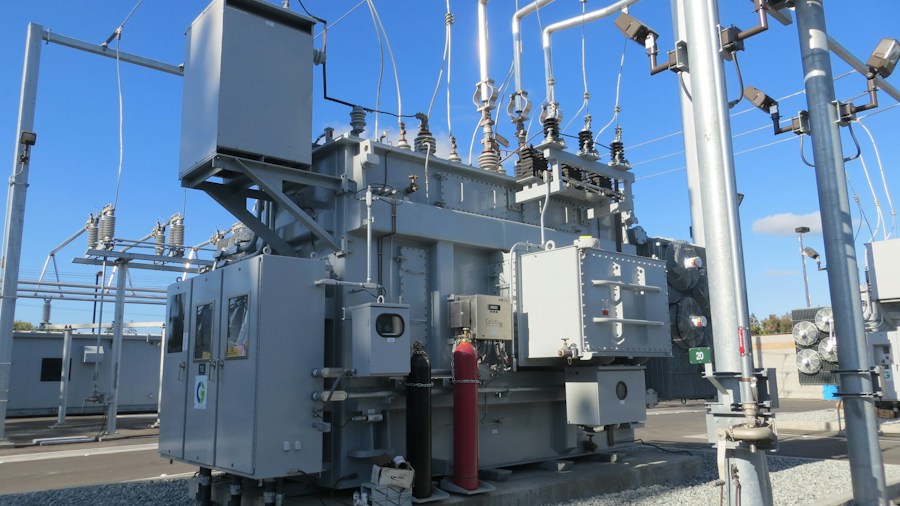
The operation was drawing electricity by illegally tapping into the grid near Presa de Necaxa, a hydroelectric dam that supplies power to the region. According to authorities, the facility contained 80 medium-voltage electrical terminations, an industrial transformer, and eight satellite antennas. The scale of equipment and power theft demonstrates just how serious these criminal organizations have become about maintaining cryptocurrency mining operations as a parallel income source alongside their traditional illegal activities.
Why This Matters for GPU Buyers
The discovery has broader implications for consumers and the graphics card market. When criminal organizations operate large-scale mining farms, they consume enormous quantities of GPUs, diverting hardware from legitimate retail channels and potentially inflating prices. Additionally, when raids like this one occur and GPUs flood back into secondary markets, it can disrupt used GPU pricing and availability. Understanding the scope of illicit mining operations helps shoppers recognize why GPU availability and pricing fluctuate, especially when used mining GPUs worth buying require careful evaluation before purchase.
How Cartels Use Mining for Money Laundering
Cryptocurrency provides criminal networks with a mechanism to launder illicit income while simultaneously generating additional profit through mining operations. According to blockchain analysis data cited by authorities, illicit cryptocurrency transactions jumped from approximately $59 billion in 2024 to $154 billion in the following year. While much of this surge relates to sanctions evasion by governments, cartels in South America and Mexico have specifically embraced crypto mining and transactions as a money laundering method.
The operations are particularly attractive to organized crime because stealing electricity is straightforward in remote areas where cartels maintain control, and mining generates legitimate-appearing cryptocurrency that can later be sold or exchanged. Drug trafficking organizations including the Cartel Jalisco Nueva Generación (CJNG) and Cartel de Sinaloa have established dedicated mining farms targeting Bitcoin, Monero, and Tether. Security firms tracking these activities report that crypto-related money laundering in Mexico increased by at least 55.8 percent in the previous year alone.
Why Remote Mountain Locations Appeal to Criminals

Communities like Tlaola, which has roughly 20,000 residents, offer ideal conditions for clandestine mining operations. These areas feature inexpensive electricity access and populations living under cartel protection, which discourages police involvement or public reporting. However, the environmental impact of running hundreds of GPUs is difficult to conceal. Locals from neighboring communities told authorities they could hear the facility’s noise from approximately a kilometer away, generated by cooling systems and transformers working continuously. The operation was located just 2 kilometers from the nearest village, making stealth nearly impossible despite its remote mountain setting.
The pattern of repeated busts near the same hydroelectric dam suggests that cartels continue operating mining facilities in this region despite increased police attention, or they quickly reestablish operations after raids. All four recently discovered crypto farms were located near the same power source, indicating that cartels view this area as strategically optimal regardless of law enforcement risk.
What Experts Expect Going Forward
Security analysts and blockchain researchers expect crypto-related criminal activity to intensify in coming years. The sophistication demonstrated by these operations contradicts any notion that cartel-operated mining is primitive or small-scale. The presence of satellite antennas, medium-voltage electrical infrastructure, and industrial transformers shows that these are professionally managed facilities with significant capital investment.
Similar illicit mining operations have been discovered globally, with raids occurring in Brazil, Thailand, and the United States. These worldwide operations suggest that GPU demand from criminal enterprises remains robust despite legitimate mining becoming largely unprofitable after the cryptocurrency market correction in late 2022. When GPU shipments surge in consumer markets, understanding the full context of where demand originates provides valuable perspective for buyers evaluating pricing and availability.
For consumers shopping for graphics cards, this situation underscores the importance of purchasing from authorized retailers and verified resellers. Seized GPUs from criminal raids sometimes enter the market through unofficial channels, potentially at bargain prices but without proper documentation or warranty protection. Staying informed about market disruptions caused by law enforcement action helps shoppers make better purchasing decisions and understand price volatility in the GPU market.










Write Your Review
No reviews yet. Be the first to share your experience!