

AI Uses Webcam to Debug Graphics Drivers Live What Buyers Should Know
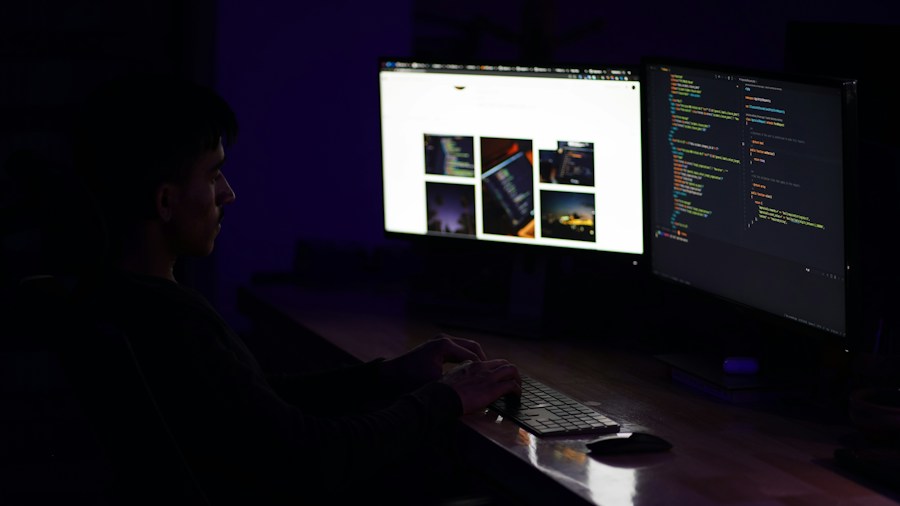
A Linux developer recently demonstrated an unconventional use case for webcam technology that has implications for how software developers test and refine graphics drivers. Instead of relying solely on manual inspection or text-based diagnostics, the developer built a system where a laptop’s built-in camera observes its own display through a mirror to catch visual problems in real time. This creative approach reveals how webcams can serve purposes far beyond video calls and streaming.
How the Mirror and Webcam System Works
The setup pairs an Intel MacBook with a simple mirror positioned to reflect the laptop’s screen directly into its built-in webcam. When graphics driver code is modified and tested, the camera captures what actually appears on the display, creating a feedback loop that lets an AI system “see” rendering problems immediately. This visual inspection happens automatically without waiting for a human programmer to manually check each result.
The method targets AMD Radeon graphics driver compatibility within Omarchy, an open-source Linux distribution. Radeon drivers are notoriously complex because successful code compilation does not guarantee proper visual output. The system can now detect issues like distorted images, flickering displays, incorrect resolutions, or other artifacts that indicate the driver is malfunctioning during actual operation.
Why Visual Feedback Matters for Driver Development
Traditional graphics driver work requires programmers to modify code, recompile it, restart services, and then manually inspect the results. This cycle repeats many times during development, creating significant delays. The mirror-and-webcam approach eliminates the need for constant human intervention by giving an AI agent direct visual data about what the graphics hardware is producing after each test iteration.
This distinction is critical because driver development involves multiple layers of testing. A driver might compile without errors while still producing visible rendering problems on screen. Text-based compiler messages or diagnostic logs alone cannot reveal these visual glitches. By letting the webcam capture the actual display output, the system gains access to information that would otherwise require a person sitting in front of the machine watching every intermediate result. Many developers now recognize that the best 4K webcams can serve specialized functions beyond entertainment and communication.
What This Means for the Broader Tech Landscape
This experiment connects automated programming workflows directly to hardware observation, opening new possibilities for how developers approach complex driver work. The approach is particularly valuable for graphics hardware that has historically received limited support in open-source operating systems. By automating part of the testing and inspection process, developers can move faster and catch visual problems earlier in the development cycle.
However, it is important to understand the limitations of this demonstration. The system does not show that an AI agent independently created a complete production-ready Radeon driver without human involvement. Instead, it proves that an AI system can modify driver code and receive visual feedback from the resulting display output. Driver development involves many functions that cannot be evaluated through a single screen, so human expertise remains essential.
Practical Implications for Users and Developers
For everyday webcam users, this development highlights how camera hardware can be adapted for creative technical purposes beyond their original design intent. The best webcams for gaming continue to improve in resolution and latency, making them increasingly suitable for specialized applications like this one. As webcam technology advances, we may see more unconventional uses emerge in professional and development environments.
For those working with graphics drivers or open-source Linux distributions, this method offers a template for automating visual inspection of hardware output. The approach reduces tedious manual work and allows developers to test multiple iterations quickly. While the full implications of this technique are still unfolding, the core insight is valuable: combining simple hardware tools with automated systems can create powerful development workflows.
The mirror-and-webcam setup demonstrates that innovation in software development often comes from repurposing existing tools in unexpected ways. As hidden webcam monitors arrive in the product market, we may see webcam capabilities integrated more directly into development environments and professional tools.
Looking Forward
This demonstration will likely inspire other developers to explore how camera-based visual feedback can improve their testing and debugging workflows. The principle is straightforward but powerful: if you can see the problem directly, you can fix it faster. As open-source graphics drivers mature and more hardware receives official Linux support, techniques like this one may become standard practice in the development community.



Write Your Review
No reviews yet. Be the first to share your experience!