

Valve has confirmed that the Steam Deck 2 remains in development and is progressing according to schedule, even as memory chip prices continue to climb across the tech industry. The company’s leadership recently addressed concerns about whether component shortages and rising costs might delay or derail the handheld console’s release timeline.
What Valve Says About the Hardware Situation
Pierre-Loup Griffais and Jeff Leinbaugh, developers at Valve, explained that rising memory prices are not preventing the company from moving forward with its next-generation handheld device. According to Griffais, memory components and related hardware are experiencing price increases across the entire consumer electronics market, not just in gaming devices. The original Steam Deck and comparable personal computers are evolving at similar rates and facing comparable cost pressures.
Griffais emphasized that Valve’s development approach remains unchanged. The company continues to work backward from the user experience and the performance improvements they want to deliver with a future Steam Deck model. This means focusing on what features and capabilities will genuinely matter to players, rather than rushing to market or cutting corners due to supply chain difficulties.
How Memory Costs Affect Your Next Purchase
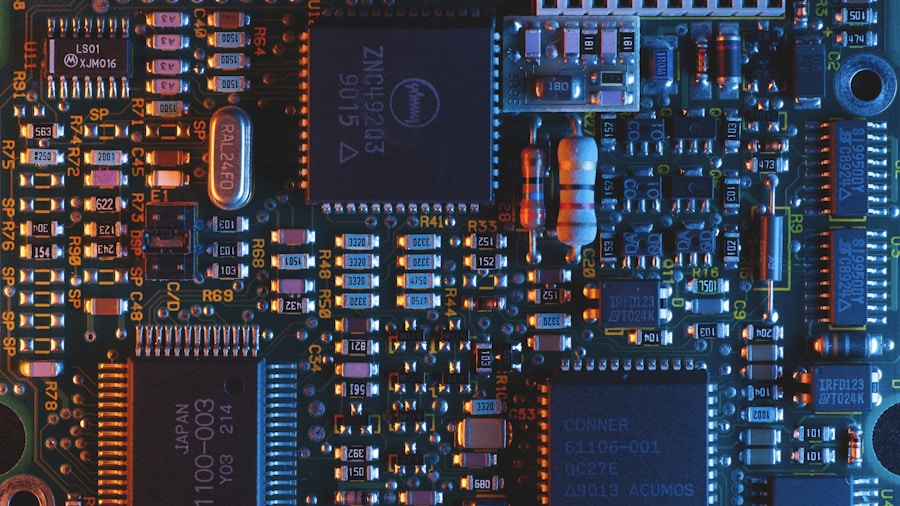
For consumers, this announcement carries important implications. As memory shortages continue to escalate in 2026, prices for memory-intensive devices may remain elevated for some time. This could affect not only gaming handhelds but also laptops, desktops, and other consumer electronics. The fact that Valve is not deterring its plans suggests the company believes it can absorb or manage these costs without fundamentally changing the Steam Deck 2’s design or value proposition.
The broader tech industry is experiencing similar pressures. Companies like Framework, a modular laptop manufacturer, have had to adjust their pricing strategies around memory components. Understanding how major manufacturers respond to these market conditions can help buyers make informed decisions about when and what to purchase.
What This Means for the Steam Deck 2 Timeline
Valve’s statement essentially confirms that the Steam Deck 2 will arrive when the company believes it has achieved the performance leap and user experience improvements they consider necessary. Hardware shortages and price volatility are not accelerating or delaying the timeline in any unexpected way. This is a reassuring signal for fans waiting for the next iteration.
The company is also not abandoning its philosophy of delivering clear, tangible upgrades. Rather than releasing an incremental update with modest improvements, Valve wants to ensure that when the Steam Deck 2 launches, it represents a meaningful performance advancement that justifies the upgrade for current users and attracts new customers to the platform.
Comparing Memory Costs Across Devices
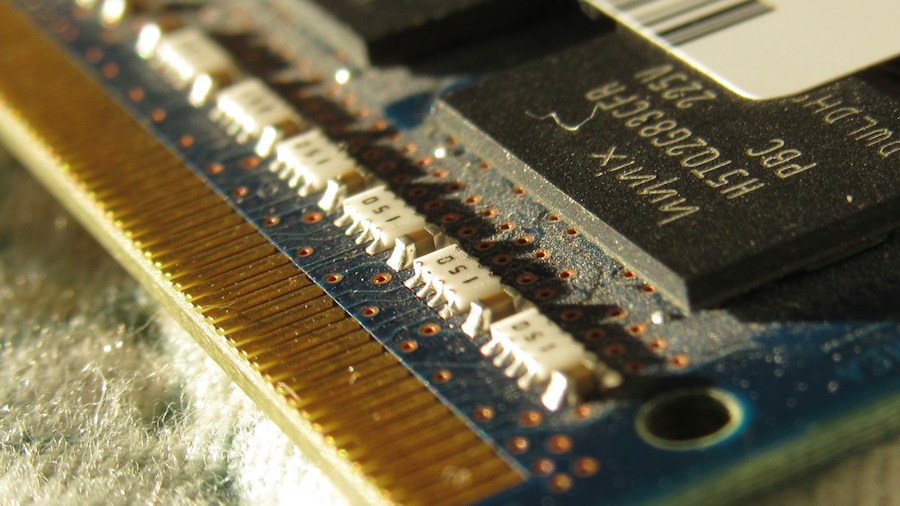
One key insight from Valve’s comments is that the Steam Deck ecosystem faces the same memory pricing dynamics as comparable personal computers. This means that if you are shopping for a gaming laptop, desktop, or other system requiring substantial memory, you should expect pricing similar to what you would see in a Steam Deck 2 announcement. Framework’s approach to laptop RAM pricing offers one example of how manufacturers are navigating these challenges.
Memory specifications and pricing have become central considerations for any tech purchase. As new high-performance memory modules launch with advanced support features, consumers have more options but also more complexity to evaluate.
What Buyers Should Do Now
If you are considering purchasing a gaming handheld or any memory-intensive device, Valve’s confirmation that the Steam Deck 2 is still in development suggests you should not rush into a purchase based on supply concerns. The company’s steady approach indicates that component availability and pricing, while challenging, are manageable issues that will not prevent product launches or force major compromises.
For those committed to upgrading their gaming setup, researching current memory prices and understanding your actual performance needs can help you decide whether to buy now or wait. Monitor announcements from Valve and other hardware makers to stay informed about upcoming releases and their anticipated feature sets. By staying informed about industry trends and manufacturer statements, you can make purchasing decisions that align with your needs and budget.








Write Your Review
No reviews yet. Be the first to share your experience!