

Classic Game Gets New Life on Vintage Consoles
A specialized games optimization team has successfully adapted Minecraft Legacy to run on two of gaming’s most beloved retro platforms: the PlayStation 2 and Nintendo Wii. The effort involved completely rewriting the original Java 1.2.5 codebase in C++, allowing the game to function on hardware that most modern software ignores. This development marks an unusual moment in gaming history, bringing one of the world’s best-selling franchises to consoles that never officially received it during their commercial lifespans.
The project, known as OptiCraft Heritage Edition, demonstrates remarkable engineering optimization. The PlayStation 2 version runs at 15 to 30 frames per second despite the console’s extreme hardware constraints. The PS2 shipped with only 32 megabytes of RAM, a limitation that forced developers to strip features and compress assets aggressively. Even with those cuts, the port delivers a playable Minecraft experience on decade-old hardware that was already nearing obsolescence when Minecraft first launched in 2009.
Why These Consoles Never Got Minecraft Originally
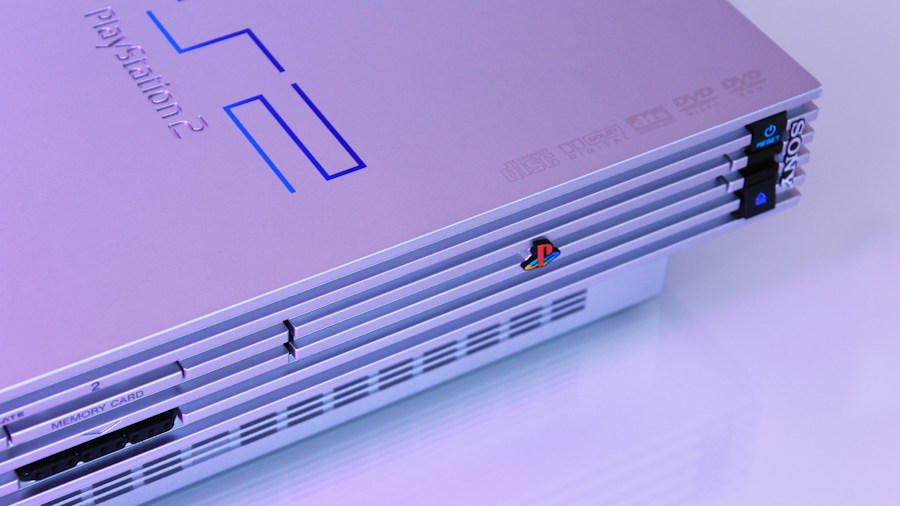
The PlayStation 2 became the best-selling home console ever produced, with 160 million units sold worldwide. Despite this enormous install base, Minecraft’s publishers never released an official version for the system. By the time Minecraft arrived, the PS2 had been available for nearly ten years and was entering its retirement phase. The game eventually came to PlayStation 3 in 2013 and 2014, skipping the aging PS2 entirely. Similarly, the original Wii went without Minecraft support, with only the Wii U receiving a port in late 2014.
Today’s memory requirements look vastly different. Modern gaming systems with gigabytes of RAM represent a dramatic evolution from the PS2 era. Memory constraints continue to shape hardware design, though in opposite directions: current systems offer abundant RAM while creators work to utilize it effectively. The gap between 32 megabytes and today’s standard configurations illustrates how much computing power has expanded in two decades.
Performance Differences Between Ports
The Wii version of OptiCraft Heritage Edition runs considerably better than its PS2 counterpart, since the Wii offered more comfortable hardware specifications overall. Beyond pure performance, the Wii port includes experimental online gaming functionality, allowing players to connect to servers running the original Java version. This represents a creative bridge between vintage hardware and modern network infrastructure.
Creating a version that works on 32 megabytes demands extreme efficiency. Developers must carefully manage every byte of memory allocation, optimize texture compression, and streamline code paths to prevent stuttering or crashes. The fact that this runs at all on PS2 hardware showcases the kind of careful engineering that modern developers rarely encounter. Most contemporary projects benefit from such abundant resources that aggressive optimization becomes unnecessary.
What This Means for Retro Gaming Fans
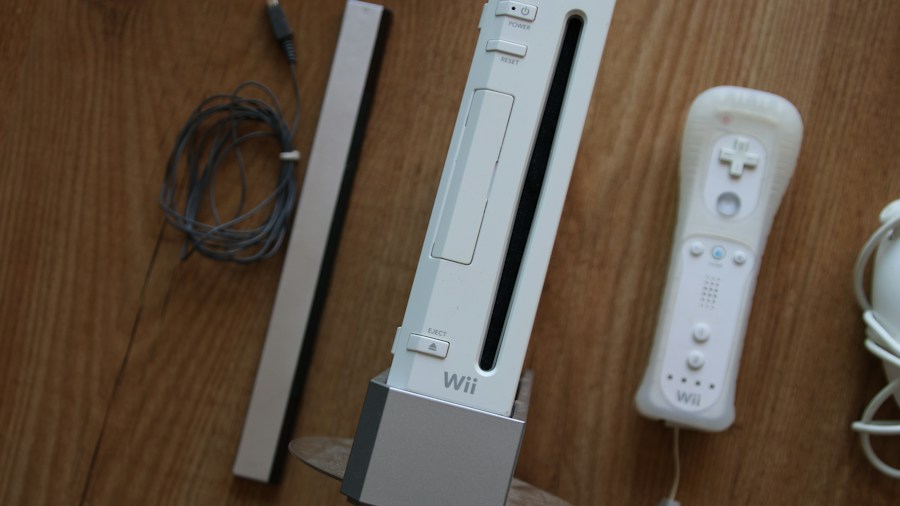
Players interested in experiencing Minecraft Legacy on original PS2 or Wii hardware can download the files from the official OptiProjects page. Running the game requires some technical setup. PS2 players must load files from USB, which demands either soft or hard modification of their console. Wii owners need access to the Homebrew Channel and an SD card, which also requires prior modification to enable homebrew code execution.
Alternatively, users can play on emulators designed for either console, avoiding the hardware modification requirement. This option provides accessibility to players who don’t own original hardware or prefer not to modify their systems. Modern laptops and computers with expandable memory configurations can easily run emulation software without the constraints faced by legacy hardware.
The Bigger Picture for Gaming History
This port represents more than a nostalgic exercise. It demonstrates how creative optimization can overcome seemingly insurmountable technical barriers. Minecraft ranks among the best-selling games in entertainment history, with cumulative sales exceeding 400 million dollars. Bringing it to platforms that time passed by gives players new appreciation for how scalable game design should be.
The project also highlights the passion of the retro gaming community. When official publishers move forward, homebrew developers step in to fill gaps, preserving access to games and experiences that might otherwise vanish. These efforts keep vintage systems relevant and playable for collectors and enthusiasts who value gaming history.
For anyone with original PS2 or Wii hardware gathering dust, OptiCraft Heritage Edition offers a compelling reason to dust them off. The optimization work showcases what focused engineering achieves when resources are limited, contrasting sharply with how contemporary games consume memory without restraint.


Write Your Review
No reviews yet. Be the first to share your experience!