

Intel Plans Major Upgrade to Popular Mid Range CPU Lineup
Intel is reportedly preparing to overhaul its mid-range processor offerings with a redesigned chip that addresses a long standing complaint from gamers and builders. According to industry sources, the company is developing a replacement for the Core i5-14600K that significantly improves performance gaming workloads while maintaining an accessible price point. This shift signals that Intel is listening to customer feedback about what actually matters for PC performance.
The new processor is expected to feature eight performance cores paired with eight efficiency cores, a combination known in technical circles as an 8/8 configuration. This represents a substantial jump from the current Core i5-14600K, which offers only six performance cores alongside eight efficiency cores. For shoppers trying to decide whether to upgrade, this distinction carries real implications for everyday performance.
Why More Performance Cores Matter for Gaming

Gaming enthusiasts have increasingly voiced frustration with Intel’s recent strategy of prioritizing efficiency cores over performance cores. While efficiency cores excel at multithreaded workloads like video editing and rendering, they do not contribute meaningfully to gaming frame rates. Gamers care primarily about performance cores, which handle single threaded and lightly threaded gaming code. By doubling the performance core count from six to eight, Intel is making a deliberate choice to optimize for what players actually use.
The current market illustrates why this matters. To get eight performance cores in the existing lineup, shoppers must spend approximately $100 more for the Core i5-14700K. That price premium has made it difficult for budget conscious builders to assemble gaming focused systems without significant cost increases. Competitors like AMD have long offered processors with all performance cores at competitive prices, giving them a measurable advantage in gaming oriented marketing and real world performance.
DDR4 Support is a Game Changer for Your Wallet
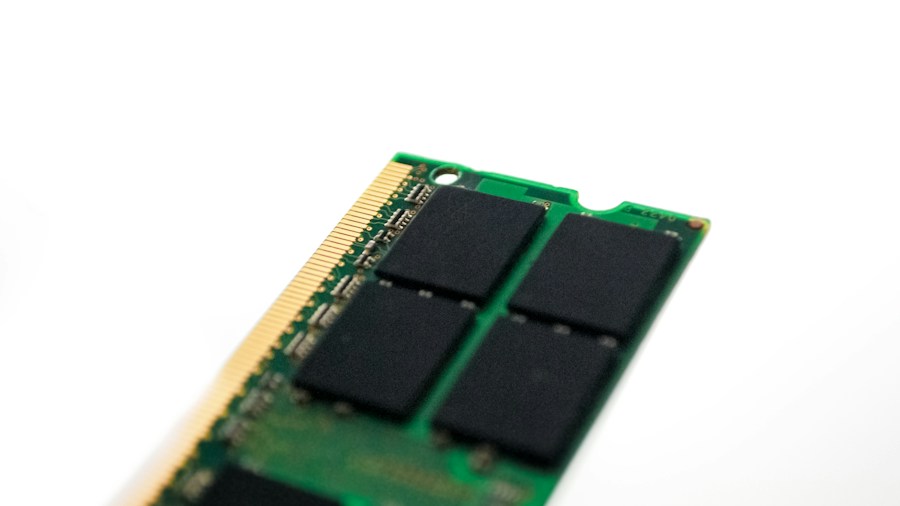
Perhaps the most consumer friendly aspect of this redesigned processor is reported DDR4 memory compatibility. The new 16-core chip is expected to work with both DDR5 and older DDR4 RAM standards. This flexibility addresses a genuine pain point for PC builders in 2024 and beyond. DDR5 memory remains significantly more expensive than DDR4, pricing many budget builds out of reach for mainstream consumers.
For existing PC owners, this compatibility unlocks a straightforward upgrade path. If you purchased a system five years ago with DDR4 RAM, you could potentially drop this new processor into your existing motherboard with just a BIOS firmware update and continue using your current memory. That kind of forward thinking compatibility is rare in the processor market and represents genuine savings for consumers. Intel is also reportedly preparing new DDR4 compatible motherboards to accompany this processor release.
What This Means for Shoppers Right Now
The Core i5-14600K remains a solid choice if you are building or upgrading today. It continues to deliver strong performance for gaming at a reasonable price. However, these rumors suggest that waiting a bit longer could provide access to a meaningfully better processor at a similar price point. As detailed in our analysis of what’s currently dominating CPU sales charts, the market is rapidly evolving with better options emerging regularly.
If you are planning a DDR4 based build, this new processor could eliminate the pressure to upgrade to expensive DDR5 memory. That represents potential savings of $50 to $150 depending on memory capacity, which is significant for budget builders. The combination of better gaming performance and memory flexibility creates a compelling value proposition if the price lands near the current $249 price point of the existing 14600K.
The Bigger Picture for PC Gaming
This redesigned processor reflects a broader industry realization that performance core heavy designs often serve consumers better than core count inflation. Marketing departments love big numbers, and efficiency cores certainly inflate those totals. However, real world performance depends on optimizing for actual workload requirements. Intel’s apparent willingness to acknowledge this feedback shows the company is adapting to consumer priorities.
Shoppers evaluating CPU options should focus on performance core counts when gaming is a priority. The number of efficiency cores matters far less for typical gaming workloads. This new processor design embodies that principle, making it a potential smart choice when it arrives. Keep an eye on official announcements from Intel for confirmed specifications, pricing, and availability dates.









Write Your Review
No reviews yet. Be the first to share your experience!