

The global memory chip shortage is creating unprecedented challenges for smaller electronics manufacturers, reshaping how devices are built from the ground up. With artificial intelligence data centers consuming vast quantities of memory chips, smaller phone and laptop makers are facing both skyrocketing costs and severe availability constraints that demand creative engineering solutions.
How the Memory Crisis Affects Your Next Device
Memory components have become the dominant cost driver in budget-friendly consumer devices. For a smartphone priced around $400, memory now accounts for nearly 60 percent of the total bill of materials according to industry reports. This dramatic shift means that even small price increases in RAM and storage can make a product unaffordable for consumers or unprofitable for manufacturers. The situation is compounded by expectations that the memory shortage could persist through 2030, with supply constraints potentially worsening before improvement arrives.
The challenge extends beyond simple price increases. Availability has become the real bottleneck. Manufacturers cannot simply pay more to secure adequate chip supplies, as physical inventory remains limited worldwide. This forces companies to make fundamental decisions about product design, component sourcing, and production timelines.
Manufacturers Get Creative with Design Changes

Facing these constraints, innovative companies are rethinking how they build their products. Some phone manufacturers have begun creating multiple motherboard versions that can accommodate different memory configurations depending on what chips are available during production. This modularity allows factories to continue manufacturing without long delays while waiting for specific memory types to become available.
One notable example involves a repairable phone company that has designed flexible motherboard layouts. This approach lets engineers switch between combined memory packages and discrete chip configurations based on real-time supply availability. The company is also implementing rigorous testing procedures on every batch of incoming memory chips to detect counterfeit or refurbished hardware being sold as new product. This verification step has become necessary because the shortage has created opportunities for fraud in the supply chain.
Laptop manufacturers are taking different approaches. Some have embraced modular designs that allow users to upgrade or replace memory components themselves, reducing manufacturer dependency on locked-in chip purchases. Others are placing non-cancellable orders months or years in advance, even when they do not know the final price or exact delivery volume. This approach provides supply certainty but creates financial risk if memory prices fluctuate unexpectedly during the waiting period. One major laptop brand recently experienced this firsthand, nearly doubling memory pricing for high-capacity modules before sourcing new inventory at lower costs and retroactively reducing prices for customers who had already purchased.
What This Means for Shoppers
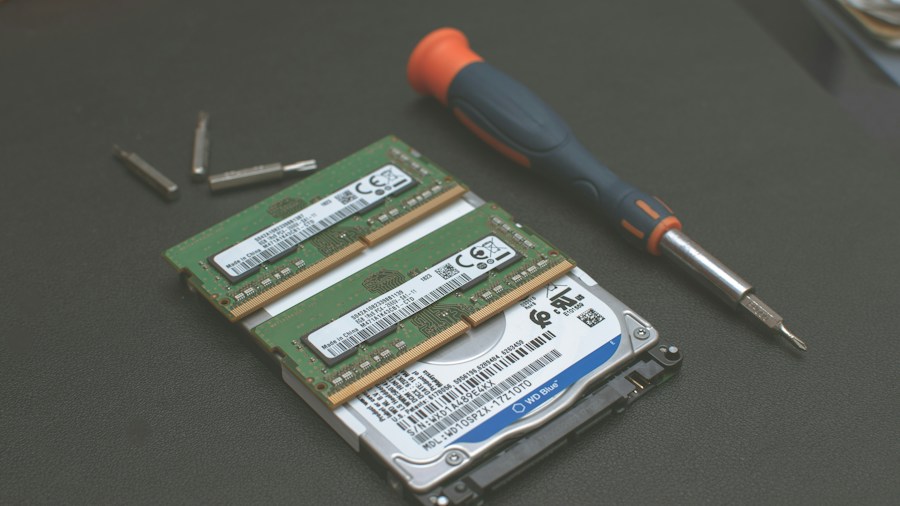
The memory shortage is already influencing what products appear on store shelves and how much you will pay. Global smartphone shipments are expected to decline significantly this year, marking the largest annual drop on record. Budget models may become harder to find as manufacturers struggle to source affordable memory chips. Consumers shopping for these devices should expect either higher prices, reduced memory configurations, or longer wait times.
When purchasing a device, paying attention to memory specifications becomes even more critical. Lower-cost products may come with reduced RAM or storage capacity compared to previous generations. For shoppers willing to consider used or refurbished memory modules, some manufacturers now support this option through modular designs, potentially offering cost savings.
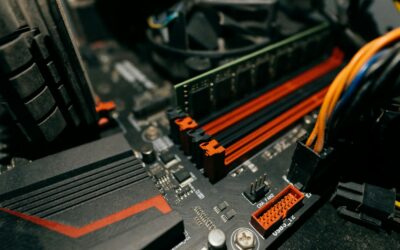
The shortage has also accelerated interest in premium motherboard innovations that showcase advanced engineering, though these high-end components remain separate from the mainstream consumer market facing the worst supply pressures.
The Longer Term Picture
What we are witnessing represents a fundamental shift in how electronics companies approach design and manufacturing strategy. The days of standardized, unchanged product designs across large production runs are being disrupted by supply chain realities. Companies that can adapt quickly and build flexible manufacturing processes will have advantages over those relying on rigid, single-source designs.
For consumers, this moment reinforces the value of repairability and modularity in consumer electronics. Innovative chassis and motherboard designs that support flexibility represent one path forward, though such solutions remain uncommon in mainstream budget products.
The memory shortage is not simply a temporary price spike that will resolve itself once supply catches up to demand. Instead, it signals that the foundation of consumer electronics manufacturing must evolve. Shoppers should monitor how manufacturers respond to these constraints when making purchasing decisions, because design flexibility and supply chain resilience will increasingly determine product availability and long-term value.









Write Your Review
No reviews yet. Be the first to share your experience!