

A Major Breakthrough in Server Memory Capacity
Micron has just announced its first 512GB DDR5-9200 memory modules, marking a significant milestone for server-class RAM. These massive single modules enable data center operators to install up to 12TB of high-speed memory in a single server machine. The modules are currently undergoing validation testing with AMD and Intel for their next-generation server platforms, setting the stage for widespread availability in enterprise environments.
Power Efficiency: A Game Changer for Data Centers
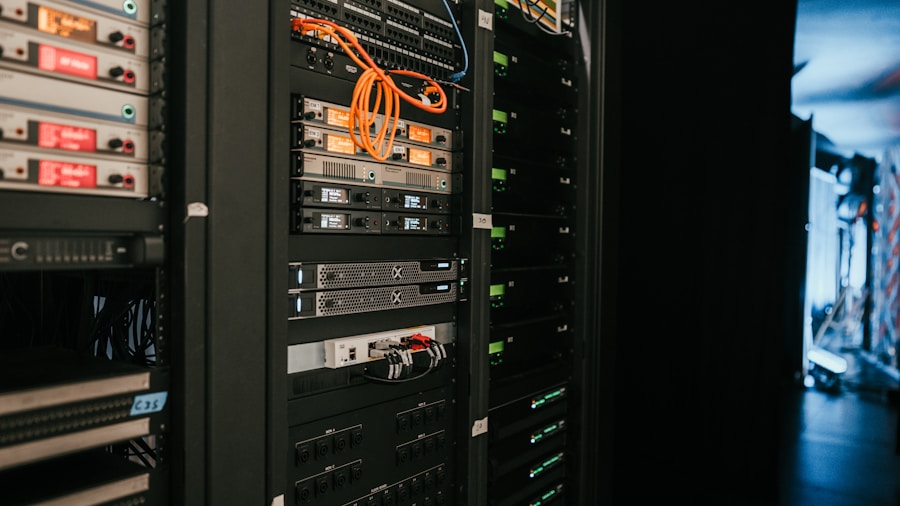
One of the standout features of these new modules is their exceptional energy efficiency. Micron claims that a single 512GB module consumes just 16.0W of power during operation. Compare that to four traditional 128GB modules, which together draw 44.2W, and you’re looking at a 60% reduction in power consumption. For data centers running thousands of servers continuously, this efficiency translates directly into lower electricity bills and reduced cooling requirements. The power savings result from advanced vertical stacking technology that connects multiple DRAM chips using through-silicon vias, a manufacturing technique that represents years of memory innovation.
Who Benefits Most From 512GB Modules
These ultra-high-capacity memory modules aren’t meant for every workload. Micron is positioning them specifically for demanding applications including in-memory databases, real-time analytics, virtualization, simulations, and emerging AI workloads that require both high core count processors and vast amounts of RAM. As servers equipped with 200-core or higher processors become mainstream, 512GB modules start making economic and practical sense. When a dual 256-core CPU server has 12TB of total memory available, each core gets access to approximately 24GB, which proves genuinely useful for memory-intensive operations like caching and database queries.
In testing with memory-constrained analytics applications using Spark Support Vector Machine workloads, Micron demonstrated that systems using 512GB modules achieved up to 1.4 times better performance compared to configurations built around 256GB modules. Database platforms like RocksDB and Redis also show improved throughput and concurrent connection handling with the increased memory capacity available.
When Will These Modules Arrive
Don’t expect to walk into a computer store and purchase these modules anytime soon. Micron has announced that volume production will begin in the second half of 2027, aligned with when AMD and Intel plan to release their compatible server processors. This lengthy timeline reflects the rigorous validation and qualification processes required for enterprise memory products. DDR5 memory pricing has historically been steep for premium capacities, and these 512GB modules will certainly command premium pricing.
The Price Question Remains
The elephant in the room is cost. A standard 256GB DDR5-6400 RDIMM currently retails for approximately $19,000. Given that Micron’s 512GB modules represent significantly more advanced manufacturing and deliver unique performance benefits for specialized workloads, pricing could easily exceed $35,000 to $50,000 per module. For a server fully populated with 512GB sticks, total memory cost could reach $150,000 or more. These economics limit adoption to organizations where memory capacity directly enables competitive advantage or cost savings, such as cloud providers, financial institutions, and research facilities.
Context: Not The First But The Fastest
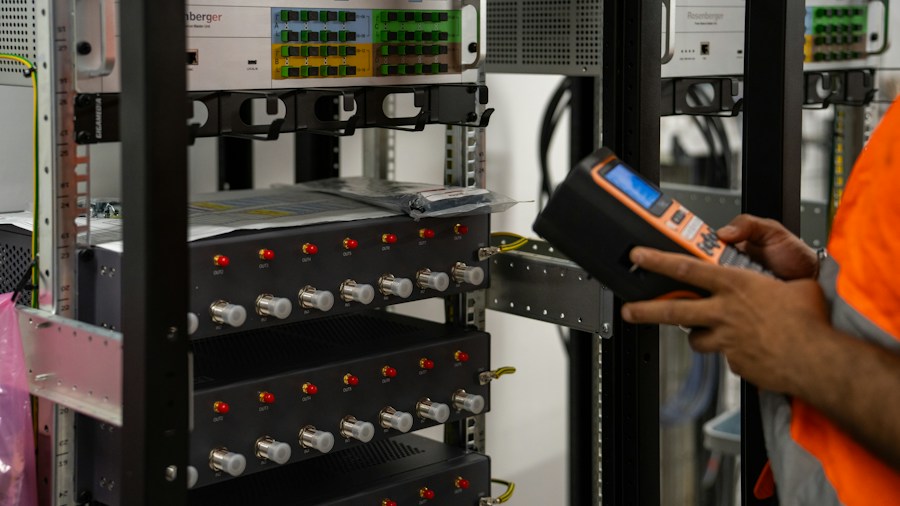
While Samsung technically introduced 512GB DDR5 modules earlier, Micron’s offering represents the first certification at 9200 MT/s speeds with standard 1.1V voltage requirements. The faster data transfer rate matters because it means reduced latency for memory-intensive operations. DDR5 platform maturity continues advancing with manufacturer innovations, and Micron’s module reflects the technology’s evolution toward enterprise deployment at unprecedented scales.
What This Means For Data Center Buyers
If your organization operates large-scale analytics platforms, manages massive databases, or runs AI training workloads, these modules deserve attention. The power efficiency improvements alone could justify infrastructure upgrades in facilities where electricity costs consume significant operating budgets. However, smaller businesses and conventional server users should focus on current DDR5 offerings until pricing stabilizes and availability broadens beyond specialized channels.
The announcement signals that memory manufacturers view enterprise AI and data-intensive computing as the growth frontier. As computing demands continue escalating, expect to see more capacity breakthroughs and faster speeds announced over the coming years. For now, Micron’s 512GB DDR5-9200 modules represent the cutting edge of what’s technically possible, even if they remain beyond reach for most buyers until 2028.






Write Your Review
No reviews yet. Be the first to share your experience!