

China’s largest DRAM manufacturer, CXMT, is reportedly planning to venture into 3D NAND flash memory production, marking a significant shift in the company’s strategic direction. According to industry sources, the company intends to establish a research and development facility for 3D NAND manufacturing at a second production complex near Beijing. While details remain preliminary, this move could reshape the global memory and storage landscape over the coming years.
What Is CXMT Planning
CXMT has reportedly discussed its 3D NAND aspirations with potential customers, including firms developing storage solutions for artificial intelligence and supercomputing applications. However, the company has not officially confirmed these plans. The proposed R&D production line would be housed at CXMT’s second Beijing fabrication facility, which has not yet begun construction. Industry analysts estimate the facility could be operational within two to three years at the earliest.
The company is also establishing a research institute in Beijing where NAND flash development figures among its priority projects. As of now, no specifications have been disclosed regarding the intended 3D NAND architecture, layer count, manufacturing process, performance targets, or production volume.
What This Means for Storage and SSD Buyers
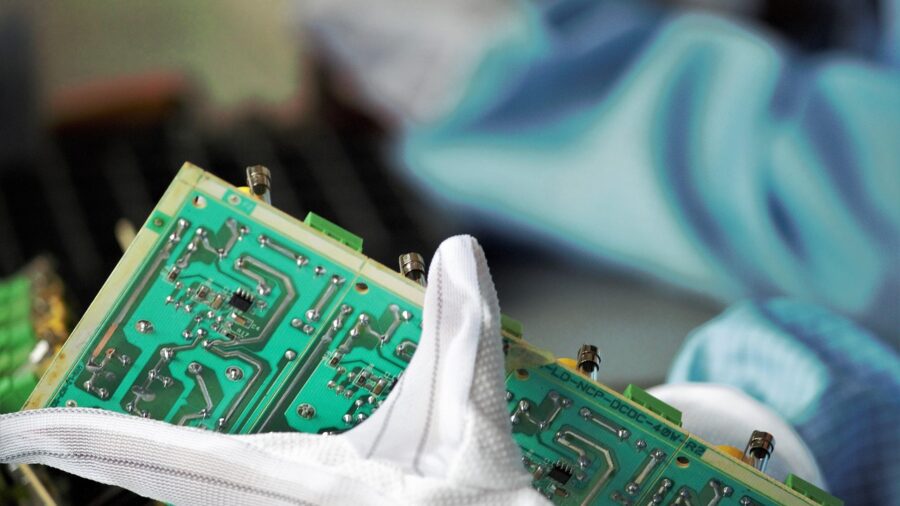
If CXMT successfully enters the 3D NAND market, consumers could see increased competition among memory suppliers, potentially benefiting buyers through greater choice and improved pricing. Currently, a small group of international manufacturers dominates the SSD and storage memory market, including Samsung, SK Hynix, and Micron. A new domestic competitor in China could eventually diversify supply chains and reduce dependency on a handful of global producers.
For consumers purchasing SSDs, additional competition may lead to lower prices and faster innovation cycles. However, any impact on retail pricing and product availability remains years away, contingent on whether CXMT’s development efforts succeed and transition to commercial production.
The Strategic Business Picture
CXMT’s ambitions reflect a broader industry trend. The company has achieved substantial profitability, posting $22.41 billion in revenue and $11.57 billion in net profit during the first half of the recent year. However, it remains considerably smaller than the world’s leading memory manufacturers, leaving room for expansion and diversification.
By adding 3D NAND production to its existing DRAM expertise, CXMT could position itself as a comprehensive memory supplier, similar to rivals Micron, Samsung, and SK Hynix. This vertical expansion aligns with how major players operate, offering both DRAM and NAND solutions to manufacturers worldwide.
The shift also mirrors moves by competitors. China’s YMTC, another major domestic memory producer historically focused on NAND flash, is reportedly exploring DRAM production capabilities. The trend suggests both firms want to become full-service memory suppliers rather than specialists in single categories.
Why 3D NAND Makes Sense and Doesn’t
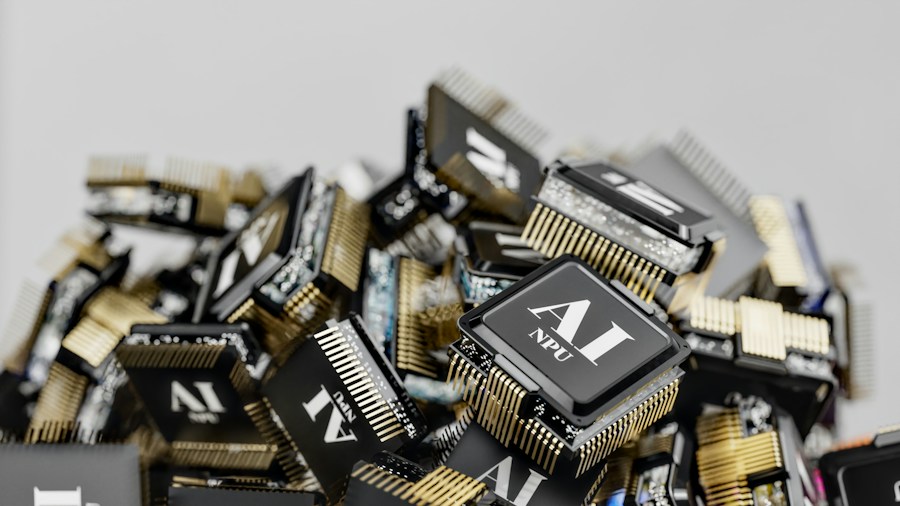
From a pure business perspective, CXMT’s entry into 3D NAND faces challenges. The technology requires completely different manufacturing processes, specialized expertise, and distinct equipment compared to DRAM production. Transitioning requires substantial capital investment and years of learning and refinement. Resources devoted to 3D NAND development might otherwise strengthen CXMT’s position in high-value areas like advanced DRAM and HBM3E chips, which drive profit margins in artificial intelligence data centers.
However, from a national policy standpoint, the initiative aligns with China’s semiconductor self-sufficiency goals. CXMT was founded with government backing and continues receiving support from China’s semiconductor development fund. Government stakeholders maintain influence over the company’s strategic direction, making geopolitical considerations as important as commercial ones. Developing a second major domestic 3D NAND producer advances China’s objective of reducing reliance on foreign memory suppliers.
What Remains Uncertain
Multiple questions linger about CXMT’s 3D NAND ambitions. The company has made no official announcements, meaning plans could change. Even if development proceeds as rumored, whether the facility will ultimately achieve high-volume production remains unknown. Manufacturing 3D NAND at competitive quality and cost requires solving complex technical and operational challenges.
Additionally, timeline estimates are rough estimates. The second Beijing fab has not broken ground, meaning construction alone could extend timelines. For buyers needing storage solutions today, these developments have no immediate impact. For those considering future SSD purchases or upgrades, monitoring these industry trends offers context for understanding supply dynamics and potential cost shifts down the road.
Whether CXMT becomes a viable 3D NAND competitor depends on successful execution across multiple fronts: technology development, manufacturing scale-up, quality assurance, and customer adoption. History shows that entering new semiconductor markets demands more than capital and intention. Yet if successful, this effort could introduce meaningful competition to a concentrated memory market and benefit consumers through expanded options and potentially better pricing on premium storage solutions.









Write Your Review
No reviews yet. Be the first to share your experience!