

Raspberry Pi Restricts RAM Modifications to Combat Counterfeits
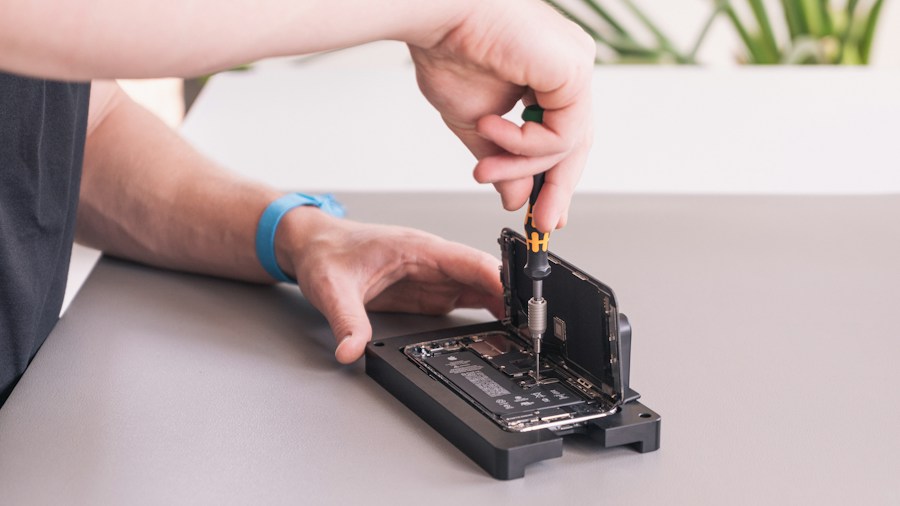
Raspberry Pi has implemented firmware-level restrictions that prevent users from upgrading or replacing RAM chips on their single-board computers. According to a company engineer, this decision was made to combat counterfeit reseller schemes and protect device reliability. The move marks a significant shift in the maker philosophy that Raspberry Pi has long championed, surprising many in the DIY community who expected more openness around hardware modifications.
The restrictions work by locking each board to its original factory RAM configuration. If you attempt to swap RAM chips, even with identical capacity modules, the device will not function properly. A Raspberry Pi engineer stated bluntly in community forums that users should “don’t waste your time trying” to upgrade RAM because it simply won’t work. This applies whether you’re attempting repairs or seeking performance improvements through memory expansion.
Why Raspberry Pi Made This Change

The company’s reasoning centers on counterfeit prevention. According to the official explanation, unscrupulous resellers have been purchasing lower-capacity Raspberry Pi boards, swapping in higher-capacity RAM chips from questionable sources, and reselling them as premium models. This creates several problems: untested hardware reaches consumers, support burden increases when devices fail, and the company’s reputation suffers when buyers receive unreliable equipment.
By locking devices to their original RAM specifications in firmware, Raspberry Pi removed the financial incentive for this scam. If a reseller purchases a 2GB model and swaps in 8GB RAM, the device will simply refuse to function at the higher capacity. The approach is straightforward but blunt, affecting legitimate users who want to tinker with their hardware.
Additionally, the firmware now locks in other device attributes beyond just RAM capacity, meaning even same-size RAM replacements may not work. This dual-layer protection makes RAM modifications extremely difficult for average users, though it does create legitimate issues for those facing genuine hardware failures who would normally replace defective chips for repair.
Timeline and Community Reaction
Interestingly, Raspberry Pi began rolling out these firmware restrictions in late 2024, well before recent market disruptions affected component pricing. Recent analysis has shown how RAM demand continues to evolve, but this restriction predates those trends. The early implementation suggests the company was dealing with reseller fraud problems independently of broader supply chain issues.
The decision has generated significant backlash from the maker community. Several prominent Raspberry Pi advocates have proposed alternative approaches, such as implementing a “warranty bit” similar to older models, or allowing a one-time firmware flag that would let users modify boards while automatically voiding official support. These compromises would have preserved the DIY spirit while still discouraging mass-scale fraud.
Many community members feel frustrated that a company built on the DIY ethos would take such a restrictive stance. The RAM modification block represents a departure from Raspberry Pi’s traditional openness toward hardware tinkering and user modifications.
What This Means for Buyers
If you own a Raspberry Pi, your upgrade path depends on which firmware version your device runs. As RAM availability continues shifting, users with older firmware versions may still have modification options, but newer devices are increasingly locked down. There’s a lookup table available to check your specific Pi model’s factory RAM configuration, which helps you understand what you’re working with.
For buyers considering purchasing a Raspberry Pi, the lock-in means you should carefully select the RAM capacity you need at the time of purchase. You won’t be able to upgrade later. If you require expandable memory, you’ll need to either buy a higher-capacity model upfront or explore alternative single-board computers that don’t impose these restrictions.
The situation highlights a growing tension in consumer hardware between preventing fraud and preserving user freedom. As the hardware market continues evolving, manufacturers are increasingly implementing restrictions to protect their interests, even when those restrictions affect legitimate users who simply want to repair or upgrade their devices.
Moving forward, Raspberry Pi users and advocates will likely continue pushing for middle-ground solutions that address counterfeiting without eliminating the DIY possibilities that made the platform popular in the first place. For now, the RAM restrictions remain in place, affecting anyone hoping to modify their board’s memory configuration.






Write Your Review
No reviews yet. Be the first to share your experience!