

AMD appears to be preparing for a major memory upgrade in its future graphics cards. A recent driver update contained references to GDDR7 support, suggesting that AMD’s next-generation GPUs could finally move beyond the GDDR6 standard that has powered its consumer cards since 2019.
What the Driver Update Reveals
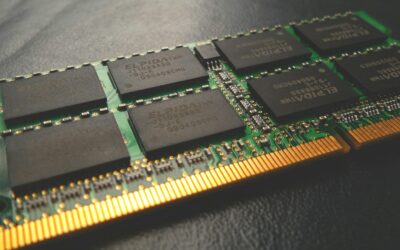
AMD’s Linux kernel graphics driver received a patch that specifically added GDDR7 to its list of supported video memory types. This discovery signals that the company is actively developing support for faster memory technology, even though current products still rely on older standards. The update places GDDR7 alongside other memory options in AMD’s driver code, confirming internal work on compatibility for this advanced standard.
Notably, AMD appears to be skipping GDDR6X entirely and jumping straight to GDDR7. This strategic choice could help the company catch up with Nvidia, which has already deployed GDDR6X and GDDR7 in current-generation graphics cards.
Why GDDR7 Matters for Shoppers
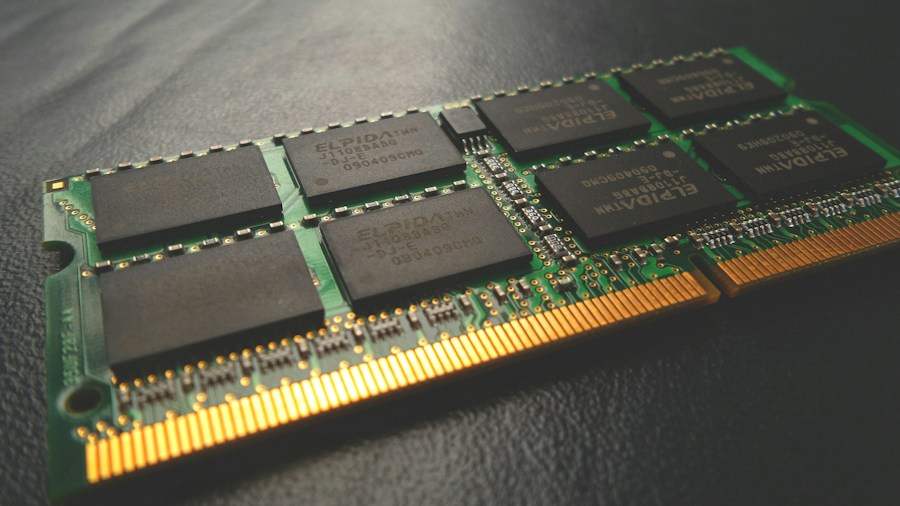
Memory bandwidth directly impacts GPU performance, and GDDR7 essentially doubles the data rate compared to GDDR6. This dramatic speed increase means future AMD cards could deliver significantly better frame rates and smoother performance in demanding games and professional applications.
From a design perspective, GDDR7’s speed advantage allows manufacturers to use narrower memory buses while maintaining high bandwidth. Nvidia’s approach demonstrates this clearly: the RTX 5070 uses a 192-bit bus but achieves 672GB/s of bandwidth, whereas AMD’s current RX 9070 XT has a wider 256-bit bus but only reaches 640GB/s because its GDDR6 memory becomes the bottleneck. When AMD transitions to GDDR7, these bandwidth limitations disappear, enabling comparable performance with more efficient designs.
Timeline and Practical Implications
AMD hasn’t officially announced GDDR7 adoption, but industry speculation points toward the next major GPU refresh cycle in 2027. However, practical considerations could affect rollout speed. Memory manufacturers have heavily shifted production capacity toward HBM chips for artificial intelligence datacenters, where profit margins are considerably higher. This supply constraint means GDDR7 chips are currently limited in availability, which could delay widespread adoption.
Currently, AMD’s GDDR6-based products remain in better supply and maintain more reasonable pricing. As of now, you can purchase GDDR6-equipped GPUs at their intended price points, whereas GDDR7 alternatives from competitors command significant premiums. Those same Nvidia cards with faster memory are selling for roughly $250 above their original recommended retail price, demonstrating how supply imbalances affect the market.
For current GPU shoppers, this situation presents a practical calculus. If you need a graphics card today, GDDR6 options offer solid value and acceptable performance. However, if you can wait until memory supply chains stabilize and GDDR7 becomes available in AMD’s lineup, you’ll gain access to substantially better memory bandwidth without paying inflated prices.
What This Means for the GPU Market
AMD’s adoption of GDDR7 would represent a significant competitive move. The company has relied on GDDR6 for nearly five years while its primary rival moved to faster alternatives. Closing this gap addresses one of the technical criticisms some reviewers have leveled at AMD’s current generation.
The broader implication concerns memory supply and manufacturing priorities. As long as datacenters absorb most available VRAM production, gaming GPU memory innovations will remain constrained. This dynamic could persist for several more years, affecting prices and availability across the entire graphics card market. Understanding these supply-side factors helps explain why next-generation GPUs may remain expensive even after their official launch.
Additionally, faster memory enables more efficient designs, potentially leading to lower power consumption and heat output. GPU launch delays pushing next generation cards to 2028 give AMD more time to refine designs that take full advantage of GDDR7’s capabilities. This extended development window could produce measurably better products when they eventually arrive.
What Shoppers Should Do Now
The driver update doesn’t change immediate shopping recommendations. If you’re building a PC today, current-generation options with GDDR6 deliver excellent performance for their price. The GDDR7 transition remains in the future, with realistic availability perhaps years away.
However, this news confirms that memory innovations are coming, and they’ll provide meaningful performance advantages. As DLSS 5 now runs in web browsers bringing new rendering capabilities, the landscape for GPU requirements continues evolving. Staying informed about these developments helps you make purchase decisions aligned with your actual timeline and performance needs.
The path from driver code to shipping products is long, but this update strongly indicates GDDR7 is coming to AMD’s future GPUs. When it arrives, gamers and professionals will benefit from substantially improved memory performance that eliminates current bandwidth constraints.




Write Your Review
No reviews yet. Be the first to share your experience!