

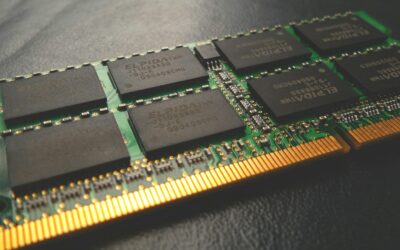
The computing hardware market is facing a significant pricing shock as multiple components climb in cost simultaneously. Over the past 12 months, memory prices have skyrocketed dramatically, with DDR5 SO-DIMM modules for laptops increasing sixfold since mid-2025. This surge extends far beyond just RAM, with CPUs, graphics cards, solid-state drives, and other critical components all experiencing substantial cost increases that are being passed directly to consumers.
What’s Driving These Price Increases
Multiple factors are colliding to create a perfect storm of supply chain disruption and rising costs. The primary culprit is a severe shortage of DDR5 memory chips, which has created intense competition among manufacturers for limited inventory. Desktop RAM has experienced a similar 500% price climb over the same 12-month period, demonstrating that this is a widespread issue affecting both laptop and desktop buyers.
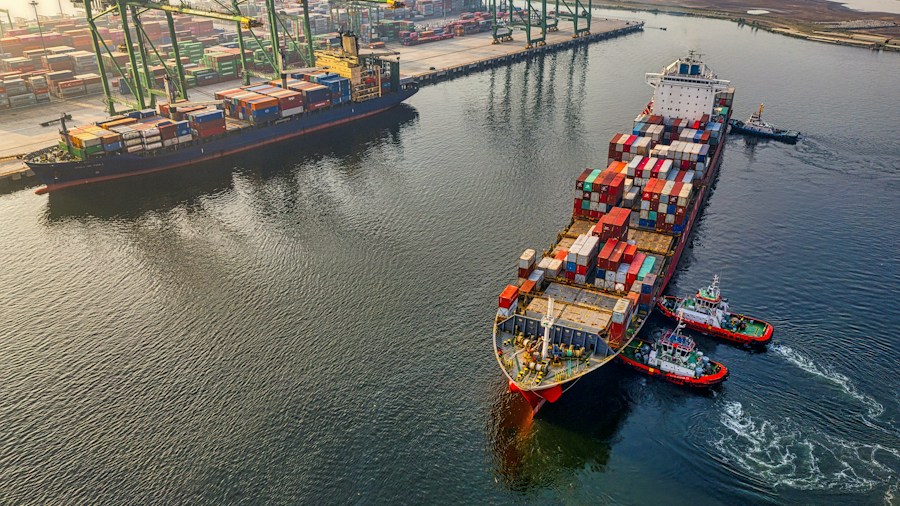
Beyond memory alone, manufacturers report that PCBs, electronic components, and other fundamental building blocks of modern computers are all facing upward cost pressure. Geopolitical tensions have further complicated matters: increased oil and fuel prices are driving up air freight costs significantly, while shipping routes through sensitive regions have increased insurance premiums for sea cargo. These logistical challenges mean that even components manufactured overseas now cost more to transport to North American retailers and consumers.
How Much Are Prices Actually Rising
Concrete numbers help illustrate the severity of the situation. Laptop makers are now charging $113 to $228 more for gaming laptops equipped with DDR5 memory, with some professional workstation models seeing increases as high as $342. These are not marginal adjustments, but substantial price jumps that directly impact your purchasing decisions. Manufacturers have emphasized that these increases reflect genuine upstream cost increases rather than margin expansion, with assurances that if component costs eventually decline, retail prices will follow accordingly.
For CPU-focused buyers, this presents a particular challenge. Recent CPU benchmarks show performance advances from major manufacturers, but these advances come at a time when the total system cost has become less favorable. A processor that offers better value or performance is less attractive when the complete laptop or desktop configuration costs significantly more than it did a year ago.
How Long Will Shortages Last
The timeline for recovery remains contested among industry experts. Some chip executives predict that memory shortages will persist well into 2027 and beyond, suggesting that buyers should not expect meaningful price relief anytime soon. This bearish outlook assumes that supply constraints will continue to dominate the market and that manufacturers will maintain pricing discipline.
However, other industry leaders offer a more optimistic perspective, suggesting that prices may stabilize or begin declining in the latter half of 2027. They argue that increased production capacity from memory manufacturers, particularly in China, will eventually ease supply constraints. Additionally, consumer resistance to further price increases may force retailers to absorb some costs rather than pass them entirely to buyers.
What This Means for Your Next Purchase
If you are shopping for a new laptop or desktop system, understand that timing matters. Delaying a purchase in hopes of lower prices carries significant risk, as there is no guarantee that costs will decline in the near future. Hardware durability and longevity considerations become more important when premium prices apply, making it worth selecting a reliable system that will remain useful for several years rather than pursuing frequent upgrades.
For those with more flexible timelines, staying informed about actual price movements rather than speculation is essential. Watch for announcements from major retailers and manufacturers about their inventory situations and pricing strategies. Some companies may find alternative suppliers or manufacturing solutions that allow them to reduce costs, while others may need to adjust their product lineups to offer better value at lower price points.
Consider also that system configurations matter more than ever. A machine with slightly less memory but a stronger CPU might offer better long-term value than a model loaded with maximum RAM at inflated prices. Integrated graphics technology has advanced significantly, potentially reducing the need for discrete graphics cards in some scenarios, which could help control system costs.
The current market environment rewards informed buyers who understand component pricing trends and make deliberate choices based on actual needs rather than impulse purchases. While price increases are frustrating, they are reflective of genuine supply challenges rather than arbitrary markup decisions, and consumers should prepare for the possibility that current price levels may persist longer than historical precedent would suggest.

Write Your Review
No reviews yet. Be the first to share your experience!