

Intel Patents MicroLED Technology for Future Processors
Intel has filed a patent describing an innovative approach to integrating MicroLEDs directly into CPU packages. The patent, originally submitted in 2022 but made public recently, outlines a method for embedding these tiny light-emitting diodes into the processor itself using a glass substrate and specialized connectors. This development signals that future processors could feature built-in lighting capabilities that go beyond simple aesthetics.
How the Technology Would Work

According to the patent documentation, MicroLEDs would be embedded within the CPU package by placing them in a glass substrate sandwiched between layers of traditional package material. The LEDs would connect directly to the processor die through nanowires and specialized through-glass vias, which serve as pathways for power and signal delivery. Intel has noted that this glass substrate approach offers interconnect density roughly ten times superior to conventional organic substrates, a significant technical advantage for future chip designs.
The patent drawings show a single integrated circuit, though Intel indicates that a finished product could include multiple arrays of LEDs across one or more packages. This flexibility means manufacturers could implement various LED-based functions simultaneously on a single processor.
Potential Uses for Embedded LEDs
Intel’s patent describes two primary purposes for these embedded lights: functional indicators and aesthetic enhancement. On the functional side, the LEDs could illuminate to show when specific processor operations are running, providing real-time feedback about what the CPU is doing. One particularly intriguing possibility mentioned in the patent involves using the lights to illuminate text or wording directly on the processor itself, though the practical implementation remains unclear, especially given that most CPUs are covered by heatsinks in typical computer setups.
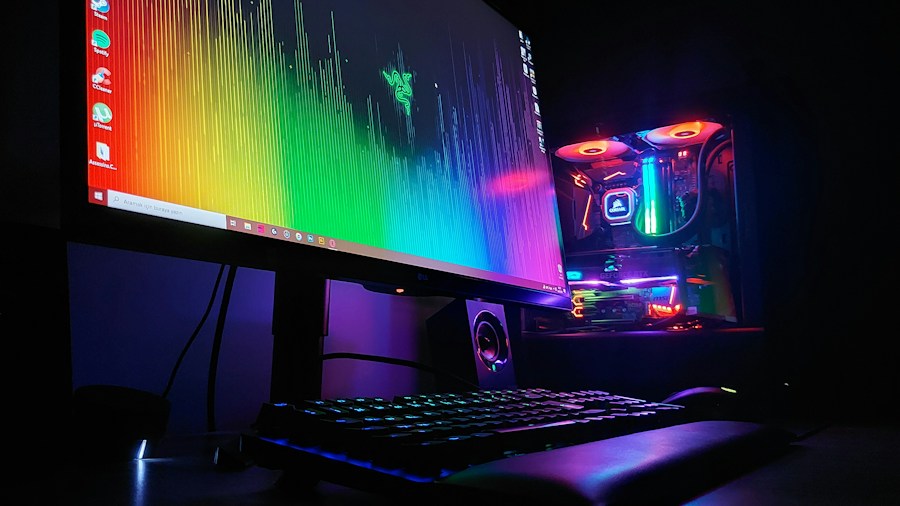
The aesthetic applications are equally noteworthy. Multi-colored LEDs could create visual effects similar to RGB lighting found in memory modules and other components, appealing to enthusiasts who customize their PC builds. This approach would transform the CPU from a purely functional component into a visible design element within a computer case.
What This Means for Buyers Today
While this patent represents exciting technological potential, it is crucial to understand that patents do not automatically become products. Intel filed this particular patent over four years ago, and there is no guarantee that MicroLED-embedded processors will ever reach store shelves. The company is laying groundwork for future possibilities, but commercial availability depends on engineering feasibility, manufacturing costs, and market demand.
For current shoppers evaluating CPU options, this development does not immediately impact purchasing decisions. Today’s processors are selected based on performance benchmarks, core count, power efficiency, and price value. As the computing market continues to evolve, with component prices fluctuating across the market, budget considerations remain paramount.
Future Implications for the CPU Market
If Intel successfully brings this technology to market, it could influence how manufacturers differentiate their products in increasingly competitive segments. The ability to offer integrated lighting could appeal to specific customer demographics, particularly gaming and enthusiast communities. However, any implementation would need to address practical concerns, such as maintaining proper heat dissipation when LEDs are active and ensuring the technology does not compromise performance or reliability.
Glass substrate technology, which underpins this LED integration approach, represents a broader industry shift toward more advanced packaging methods. Intel’s multi-year investment in this technology suggests the company views it as a strategic advantage for future processor generations. Other manufacturers may follow suit once the approach proves viable and cost-effective at scale.
Looking forward, embedded LED technology could eventually become a standard feature across multiple chip categories, from consumer processors to data center components. Yet this remains speculative at this stage. As demonstrated by documented cases of CPU repairs and hardware durability challenges, the industry must carefully validate any new technology before widespread adoption.
The Bottom Line for Shoppers
Intel’s MicroLED patent demonstrates the company’s commitment to innovation in processor design and packaging. While the technology is fascinating from a technical perspective, current CPU buyers should base their purchasing decisions on performance metrics and proven reliability. Keep an eye on announcements from Intel and competitors as this technology potentially develops, but for now, focus on selecting the processor that best matches your computing needs and budget.







Write Your Review
No reviews yet. Be the first to share your experience!