

Building a high-performance PC no longer requires breaking the bank on expensive DDR5 RAM. Gigabyte has unveiled a new motherboard that brings modern computing features while maintaining support for the more affordable DDR4 memory standard, giving savvy shoppers a practical path to next-generation performance without the premium price tag.
What Gigabyte Announced
The company has launched the B760M Aorus Ari WiFi6E DDR4, a micro-ATX motherboard built on Intel’s B760 chipset. This board delivers PCIe 5.0 support for graphics cards and storage, dual M.2 slots for SSDs, and modern connectivity options, all while accepting standard DDR4 memory instead of the newer DDR5 standard. The anime-themed design includes Gigabyte’s mascot character Ari displayed on the I/O cover and backplate, adding personality to the board’s industrial features.
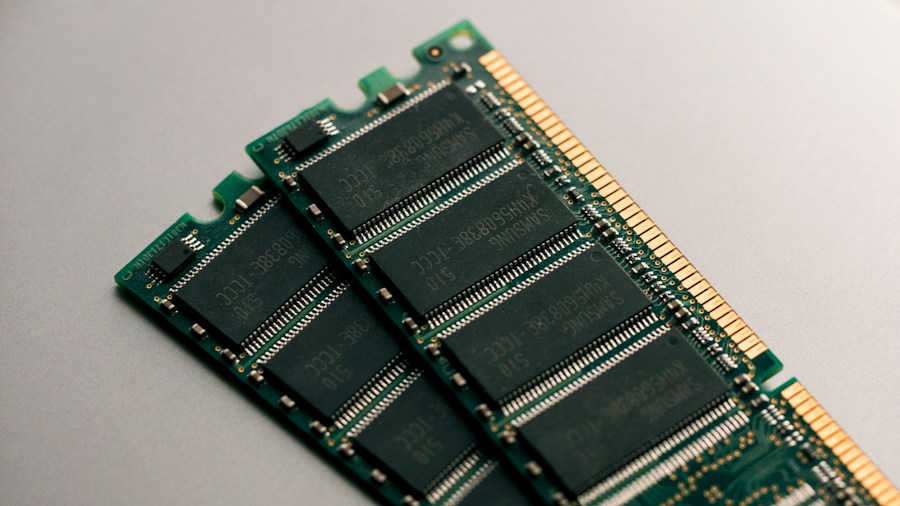
The specifications mirror those of Gigabyte’s premium B760M Aorus Elite WiFi6E-P Gen5 model, with one crucial difference: the memory slots accept DDR4 UDIMM modules instead of DDR5. The board can accommodate up to 128GB of DDR4 memory, with support for speeds reaching DDR4-5333 through XMP profiles or manual overclocking. This approach leverages Intel’s cross-compatibility within the LGA1700 socket, which supports both DDR4 and DDR5 across all 12th, 13th, and 14th-generation processors.
Key Features That Matter for Your Build
Beyond memory flexibility, this motherboard packs connectivity and performance features that modern systems demand. Two full-size PCIe slots operate at Gen 5 x16 and Gen 4 x4 speeds, accommodating current and next-generation graphics cards. A pair of Gen 4 x4 M.2 slots provide fast NVMe SSD storage with integrated thermal heatsinks and tool-free latches for easy installation and swaps. Four SATA III ports add traditional storage compatibility for those who prefer mechanical drives or want additional capacity on a budget.
Networking and wireless connectivity also receive attention. A 2.5GbE LAN port doubles standard gigabit speeds for faster file transfers and online gaming, while WiFi 6E support handles wireless connectivity with modern throughput. The board includes Bluetooth 5.3 for peripherals and includes a WiFi Compass utility designed to help users optimize antenna placement for stronger signals.
The power delivery system uses a 12+1+1 twin hybrid VRM configuration with 60A DrMOS components and dual EPS power connectors (8-pin and 4-pin), capable of powering even the highest-end Intel LGA1700 processors under load. Large metal heatsinks cover the VRM sections to maintain stability during intensive tasks.
I/O options cover most connectivity needs. The board includes four USB 2.0 ports, three USB 3.2 5Gbps ports, one USB 3.2 10Gbps port, and a USB-C 20Gbps connector. Video outputs consist of HDMI 2.1 and DisplayPort 1.2. Audio options include both analog and optical connections, with integrated audio processing. Interestingly, component prices continue to fluctuate across the computing market, making DDR4 solutions more attractive as memory remains a significant build budget item.
What This Means for PC Shoppers
For budget-conscious builders, this release offers meaningful savings. DDR4 memory remains substantially cheaper than DDR5, and prices have stabilized over time. Since Intel CPUs support both memory standards through the LGA1700 socket, builders can mix performance-tier components with cost-effective memory without sacrificing modern features like PCIe 5.0 support.
The B760M form factor suits builders working with compact cases or who prefer smaller, more efficient builds over full-size ATX layouts. The micro-ATX design still delivers comprehensive features without demanding a large motherboard footprint. Tool-free latches on M.2 heatsinks and PCIe slots simplify maintenance and component swaps, appealing to users who like tinkering with their systems.
This board arrives at a particularly useful moment in the PC market cycle. Builders upgrading from older systems now have a straightforward path using existing DDR4 RAM if they already own it, or purchasing new DDR4 at accessible price points. The availability of PCIe 5.0 ensures the platform remains relevant as new graphics cards and storage devices adopt faster standards.
Pricing and Availability
Gigabyte priced this motherboard competitively in international markets. At approximately 1,599 Hong Kong dollars, the board costs roughly 154 British pounds when converted, positioning it only slightly above the DDR5-equipped variant that retails for around 140 pounds in the UK. This pricing strategy reflects the minimal cost difference in manufacturing while delivering tangible value through memory flexibility.
The release underscores a continuing market reality: quality components built with durability ensure long-term value for your investment, whether you choose cutting-edge standards or proven, cost-effective alternatives. For PC builders seeking modern performance without premium memory costs, this motherboard deserves serious consideration in the platform selection process.





Write Your Review
No reviews yet. Be the first to share your experience!