

The graphics card market is tightening further, and budget-conscious shoppers are about to feel the squeeze. PC Partner, the manufacturer behind popular GPU brands including Zotac, Inno3D, and Manli, has issued a stark warning about deteriorating availability and climbing prices for entry-level graphics cards heading into the second half of 2026.
Why Entry Level GPUs Are Under Pressure
For months, the GPU market has experienced steep price increases driven by surging demand for AI datacenter components. This demand has caused memory costs to spike across the industry, raising manufacturing expenses for all graphics cards. While high-end and mid-range models were hit first, entry-level GPUs had largely escaped the worst of it, thanks to their lower memory requirements. That protection is about to disappear.
Memory shortages and constrained supply chains are now poised to hit the affordable segment directly. According to recent financial disclosures, PC Partner predicts that entry-level GPUs will face significantly tighter availability, which inevitably pushes prices upward. The company reported that average selling prices for its GPU products already rose by 10.7 percent year-over-year, while unit sales fell by 18.4 percent, showing that customers are already pulling back from purchases at current price levels.
What This Means for Your Wallet

Budget gamers are losing ground fast. Entry-level graphics cards are already priced above their official manufacturer recommended retail prices, and further supply constraints could push them completely out of reach for price-sensitive buyers. The supply chain issues affecting the broader PC market compound the problem. PC Partner noted that sales of other PC components and mini PCs also declined sharply, with mini PC sales dropping 20.1 percent as lead times stretched and critical parts became harder to source.
This creates a frustrating reality: the most affordable entry-level GPUs on store shelves right now may represent the last genuinely budget-friendly options consumers will see in this hardware generation. As the second half of 2026 progresses, shoppers seeking a graphics card under $200 or $250 may find their options simply vanish, forcing them to either spend substantially more or abandon their upgrade plans altogether.
The pricing pressure is not new. GPU prices have been climbing as budget cards face shortages, and manufacturers have implemented multiple price adjustments throughout the year to account for rising memory costs. However, the coming entry-level crunch represents a critical inflection point where the entire bottom tier of the market risks collapsing into mid-range pricing territory.
The Broader Supply Chain Impact
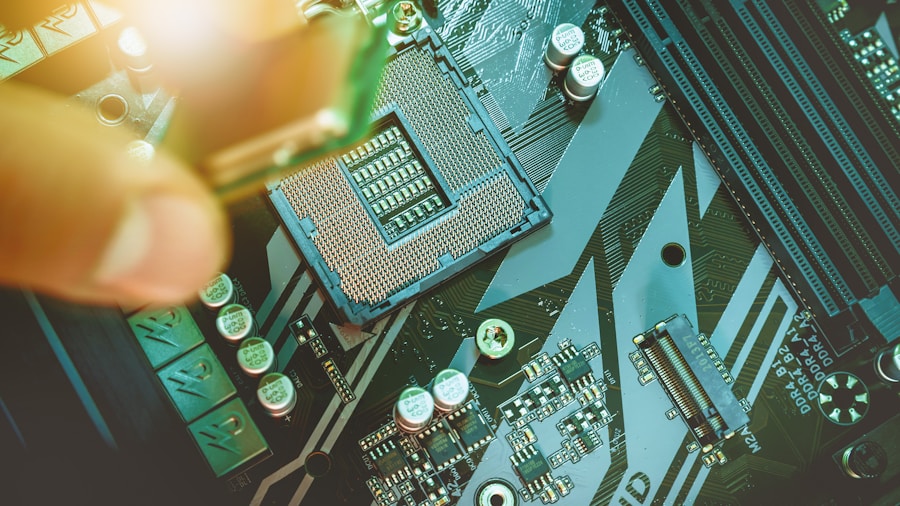
PC Partner’s revenue from its GPU brands contracted by 9.2 percent year-over-year, despite the price increases, because fewer customers are willing to pay the new rates. This creates a difficult dynamic for manufacturers, who face higher component costs but shrinking demand at elevated prices. The company’s challenges extend beyond graphics cards: mini PC sales, keyboards, cooling solutions, and other PC peripherals have all suffered, suggesting the entire PC hardware ecosystem is experiencing significant stress.
The AI boom that triggered this crisis shows no signs of slowing. Demand for DRAM in datacenter and AI applications continues driving memory prices higher, and GPU manufacturers remain caught in the crossfire. New compact cases and cooling gear designed for GPU builders may help with custom builds, but they cannot solve the fundamental supply and pricing problem affecting the hardware itself.
What Buyers Should Do Now
If you have been considering a budget GPU purchase, the window may be closing. Waiting for prices to drop is increasingly unlikely given the supply outlook. Budget-tier graphics cards currently on shelves, though expensive compared to historical norms, may represent better value than what comes next. Shoppers should evaluate their actual performance needs and consider whether current offerings, though pricey, meet their requirements before availability shrinks further and prices climb even higher.
For gamers on tight budgets, the realistic path forward may involve either stepping up to mid-range models, delaying purchases until the next hardware generation, or reconsidering whether to upgrade at all. The entry-level GPU market, once a dependable source of affordable gaming performance, is transitioning into uncharted territory where genuine bargains are becoming extinct.






Write Your Review
No reviews yet. Be the first to share your experience!