

A new open-source initiative is helping PC builders identify graphics cards and other components prone to coil whine, a persistent buzzing noise that can degrade your gaming experience. The Coil Whine Database, created by a hardware enthusiast, aggregates real-world reports from users to compile a public record of which parts exhibit this annoying acoustic issue.
What Is Coil Whine and Why It Matters
Coil whine is a high-pitched buzzing or whining sound that originates from electronic components vibrating at high frequencies. While the condition is most common in graphics cards, it can also affect power supplies, liquid cooler pumps, and other parts that contain inductors, transformers, chokes, or ceramic capacitors. The noise occurs because these components switch states rapidly, creating vibrations that human ears are particularly sensitive to even at low decibel levels.
The problem cuts across price points. Spending more money on a graphics card provides no guarantee you’ll avoid coil whine, which is exactly why a community-driven database becomes valuable for shoppers deciding between models.
How the Database Works
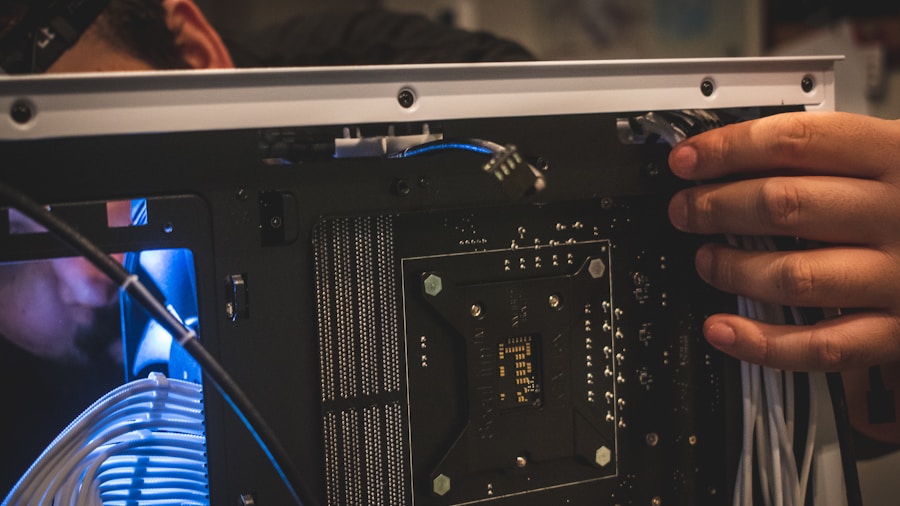
The Coil Whine Database operates on a straightforward submission model. Users can report their experience with affected hardware by filling out a simple web form that asks for product category, brand, specific model, SKU, and manufacturing year. Submitters also rate the severity on a scale of 0 (silent) to 4 (audible at idle) and note the conditions under which the whine appears, whether during gameplay, in uncapped menu screens, or at system idle.
The database only displays a coil whine verdict once at least five reports have been collected for a particular component. This threshold helps prevent premature conclusions based on isolated complaints. Importantly, the displayed percentage represents a ceiling rather than a true estimate of affected units. If a graphics card receives 20 reports of whine and 20 reports of silence, that does not mean exactly half of all units in the wild exhibit the problem, since annoyed users naturally tend to file complaints more frequently than satisfied users.
Why Accurate Reporting Matters for Buyers
The database maintainers emphasize the critical importance of reporting silent units. Without submissions from users whose hardware operates quietly, the data skews heavily toward complaints, making certain graphics card models appear far worse than they actually are. This selection bias is a known challenge in community-driven databases, and maintaining balanced reporting is essential for meaningful results.
For shoppers, this database addresses a real pain point. Before making a purchase decision on a graphics card, you can now check whether a specific model has accumulated multiple reports of coil whine and assess the severity ratings. If a particular graphics card model you’re considering has entries in the database, you’ll see how frequently users report problems and under what conditions the noise occurs.
The Bigger Picture for Component Selection
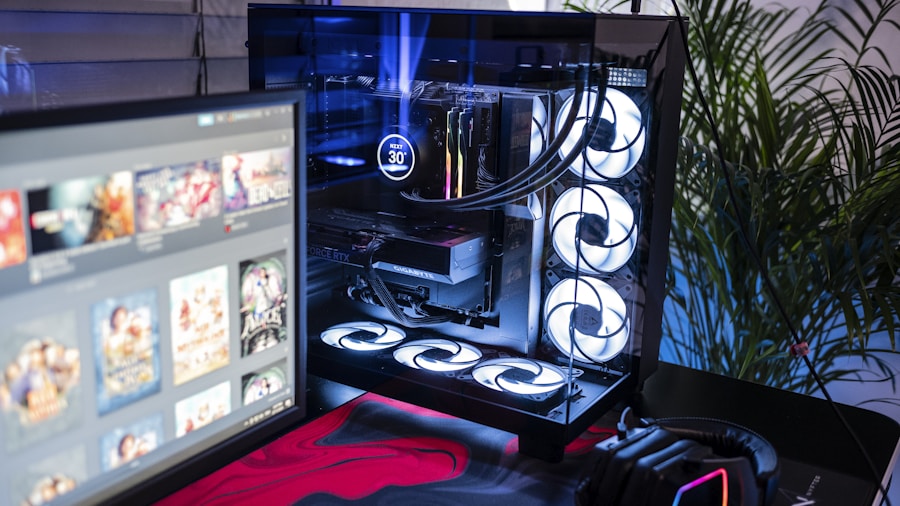
Beyond just graphics cards, the coil whine concern touches on broader component reliability and user experience. Recent innovations in graphics card software and protection features show that manufacturers are investing in safeguards for premium hardware. A new physical safety adapter designed for high-end graphics cards also reflects growing attention to component quality and durability concerns.
The emergence of tools like the Coil Whine Database demonstrates that when manufacturers don’t always publicly acknowledge or address acoustic issues, the community fills the gap. Having transparent, crowdsourced information about real-world component behavior gives shoppers an advantage they previously lacked.
Getting Involved and Finding Data
Anyone can contribute reports to the database, making it a collaborative resource that grows stronger with community participation. Users uncomfortable with web forms can submit pull requests directly if they have GitHub experience. The project also includes related tools, such as an undervolt settings database and a PC parts builder with compatibility verification features.
For budget-conscious buyers, accessing reliable graphics card comparisons remains essential, especially as GPU pricing fluctuates and availability shifts. The Coil Whine Database adds another data point to inform your purchase, helping you avoid components with documented acoustic problems that could spoil an otherwise smooth build or upgrade.
Whether you’re planning a new PC build or upgrading your current graphics card, checking the database before committing your budget represents a smart, cost-effective way to reduce the risk of ending up with a noisy component that diminishes your gaming pleasure.








Write Your Review
No reviews yet. Be the first to share your experience!