

As demand for high-end graphics cards continues to surge, retailers are implementing stricter controls on who can purchase certain systems. Micro Center has begun requiring customers who buy gaming PCs equipped with advanced GPUs like the RTX 5090 to sign legal declarations promising they will not export the hardware outside the United States.
What’s Driving the Export Restrictions
The U.S. government has imposed export bans on cutting-edge graphics processors to prevent advanced AI computing capabilities from reaching competing nations. High-end GPUs are critical infrastructure for artificial intelligence development, and keeping the most powerful chips domestically is part of a broader strategy to maintain technological advantage. This policy has made it increasingly difficult to purchase standalone graphics cards through traditional retail channels.
As individual GPU availability has dried up at major e-commerce sites, some buyers have turned to purchasing complete gaming PC systems as a workaround. A prebuilt gaming PC is technically a consumer product rather than a restricted component, which creates a potential loophole for those looking to acquire high-performance graphics cards and redirect them elsewhere. Retailers have noticed this pattern and are now closing the door on such transactions through mandatory agreements.
How the New Purchase Requirements Work

When a customer buys a gaming PC with a premium GPU at Micro Center, they must now complete a formal declaration form. The document states that the buyer is purchasing the system for legitimate personal or business use within the United States. Buyers must also provide a government-issued photo ID, which the retailer links directly to the purchase and the GPU serial number. This creates a paper trail connecting the buyer’s legal identity to the specific hardware.
According to reports from customers who have completed this process recently, the requirement was only implemented a few days before they made their purchases. Store managers indicated this is a new policy rolling out across locations, suggesting a coordinated effort to enforce export compliance.
The ID verification component appears to be the most significant deterrent. Anyone attempting to export graphics cards in bulk would need to provide their legal name and identification to each retailer, creating documentation that could expose them to legal consequences if the hardware surfaces in restricted destinations.
What This Means for Shoppers
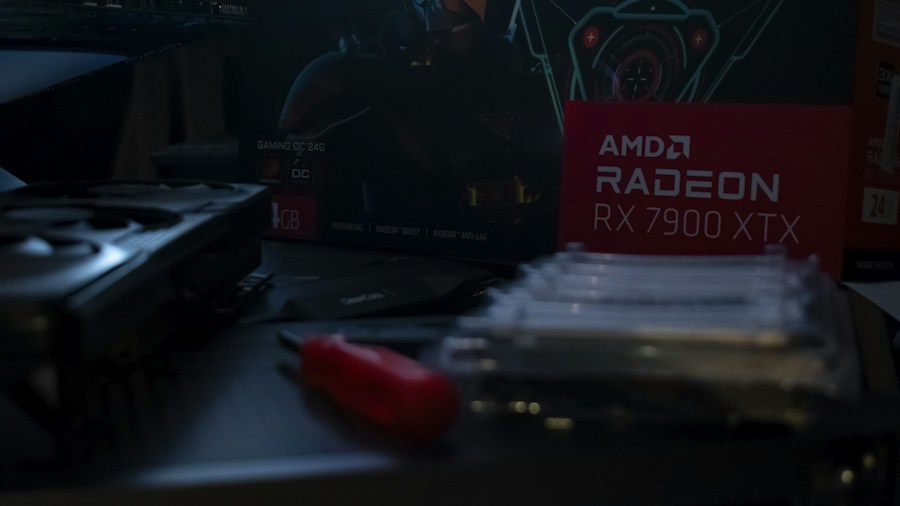
For legitimate buyers simply looking to purchase a high-end gaming PC for personal use, this adds paperwork to the checkout process. The declaration is straightforward enough for domestic users, but the requirement does raise questions about privacy and purchasing friction at brick-and-mortar retailers.
The bigger concern is enforceability. A customer could sign the agreement, purchase the system, and later decide to resell the complete PC to someone else or give components away. The form does not account for secondary transactions after the initial purchase. If a GPU eventually ends up in the hands of an exporter, the original buyer could claim the hardware was stolen or that they sold the entire system without knowledge of its final destination.
For those shopping for premium gaming PCs, these restrictions also reflect the broader challenge of acquiring top-tier hardware right now. Retailers are implementing various loyalty and verification systems to control inventory distribution, and this export documentation is just one layer of new requirements. Finding the exact system you want with the GPU you need is becoming a more complex negotiation with sellers.
Price remains another barrier. High-end gaming PCs with the latest flagship graphics cards command premium prices, and retailers are taking steps to ensure these expensive systems go to qualified buyers who will actually use them domestically rather than reselling them for export profit.
Looking Ahead
As export restrictions tighten and retail enforcement increases, the cost of acquiring cutting-edge gaming hardware continues to climb in terms of both money and hassle. Whether you are a serious PC builder or someone looking to upgrade, expect more identity verification, signed agreements, and purchasing restrictions to become standard practice at major retailers. The premium gaming PC market is shifting, and buyers should be prepared for a more formal purchasing experience when dealing with high-performance components.





Write Your Review
No reviews yet. Be the first to share your experience!