

iiyama has officially stepped into the OLED gaming monitor space for the first time, introducing the GOB2701QSC-B1 as the flagship model in their new G-Master Titan Falcon lineup. This move marks a significant shift for the company and signals growing adoption of OLED technology among mainstream gaming monitor manufacturers. For shoppers weighing their next display upgrade, this launch opens up an important new option at a competitive price point.
What Makes This Monitor Stand Out
The GOB2701QSC-B1 features a 27-inch 1440p panel built using LG Display’s fourth-generation Tandem WOLED technology. The 2560 by 1440 resolution delivers sharp visuals without requiring the performance hit of 4K gaming. At 280Hz refresh rate with 0.03 millisecond response times, the display targets competitive gaming and fast-paced action titles. When comparing monitors in this category, the combination of OLED refresh rates with 1440p gaming monitor performance represents a sweet spot for many players seeking responsive gameplay without excessive system demands.
The panel uses an RGWB sub-pixel arrangement rather than the traditional RGB layout, which manufacturers claim helps improve both brightness and color consistency on OLED screens. The monitor covers 99.5 percent of the DCI-P3 color space alongside 150 percent sRGB and 95 percent Adobe RGB, making it suitable for both gaming and creative work. This versatility means casual creators won’t need a separate display for color-critical tasks.
OLED Brightness and Contrast Performance
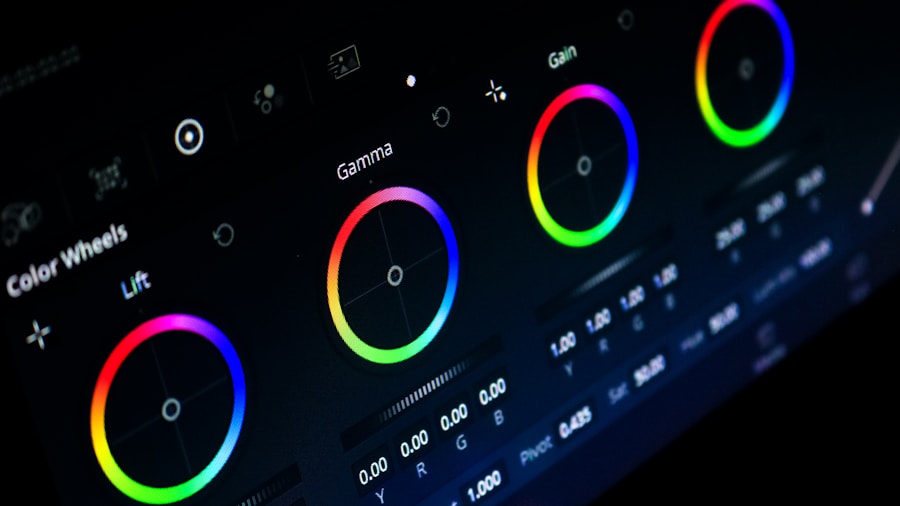
One of the biggest advantages OLED technology brings to gaming monitors is exceptional contrast. The GOB2701QSC-B1 achieves a 1.5 million to 1 contrast ratio, meaning blacks appear genuinely black rather than dark gray. Peak brightness reaches 1500 nits in HDR mode, earning VESA DisplayHDR True Black 400 certification. For everyday SDR content, the display delivers 335 nits of brightness. This significant difference between SDR and HDR performance allows gamers to experience dramatically improved visuals in supported titles while maintaining comfort during less demanding content.
Adaptive sync support includes both NVIDIA G-Sync Compatible and AMD FreeSync Premium, eliminating screen tearing regardless of GPU choice. The anti-reflective coating reduces glare compared to glossy alternatives, which some players prefer for extended gaming sessions.
Built-in Features for Gaming and Productivity
Beyond core specs, iiyama included several practical features. The stand provides full tilt, height, swivel, and rotation adjustments, accommodating different desk setups. RGB rear lighting lets gamers customize the monitor’s aesthetic. Flicker-free technology and a blue light reducer help minimize eye strain during long sessions.
Connectivity options include one DisplayPort 1.4, two HDMI 2.1 ports, USB-C with 65-watt power delivery, a USB 3.2 hub, and built-in KVM switching. The inclusion of picture-in-picture and picture-by-picture functionality means users can display multiple devices simultaneously. For audio, the monitor includes a 3.5-millimeter headphone jack and dual 5-watt speakers, though gamers with dedicated audio equipment will likely overlook these.
OLED Burn-in Protection and Warranty
Potential buyers often express concern about OLED panel longevity and burn-in risk. iiyama addresses this with dedicated OLED protection features designed to prevent image retention and mitigate burn-in risks. The manufacturer backs the display with a three-year warranty that explicitly covers burn-in, providing reassurance for those purchasing their first OLED monitor. Automatic brightness adjustment gradually shifts brightness levels to prevent sudden jumps, further protecting the panel from degradation.
Pricing and What It Means for Shoppers

The GOB2701QSC-B1 launched at a starting price of approximately 420 GBP in UK markets, suggesting a comparable USD price point. This positions iiyama’s OLED entry competitively against premium gaming displays from established brands. For consumers researching the best 1440p monitors, this arrival expands the OLED selection beyond ultra-premium categories, making the technology more accessible to mainstream gamers.
The broader significance of this launch lies in normalizing OLED gaming monitors. As manufacturers increasingly adopt OLED panels, competition will likely drive prices down while pushing innovation forward. Gamers have historically waited on the sidelines due to cost and burn-in concerns. With comprehensive warranties and proven OLED reliability from consumer electronics expanding into monitors, the barrier to entry continues lowering.
Should You Consider It
Upgrading to an OLED gaming monitor makes sense for players who value response time, contrast quality, and color accuracy. The 280Hz refresh rate handles modern titles smoothly, and the 1440p resolution balances visual fidelity with reasonable GPU requirements. However, this monitor competes with both traditional LED gaming displays and 4K monitor options, so evaluate your specific needs and GPU capabilities before committing. With iiyama now offering a proven OLED alternative, the gaming monitor market has genuinely shifted.









Write Your Review
No reviews yet. Be the first to share your experience!