

A New Contender Emerges in AI Computing Hardware
Chinese supercomputer manufacturer Sugon has announced plans to launch a mobile workstation designed specifically for artificial intelligence applications. The device combines a 64-thread domestic processor with a discrete graphics card containing 16GB of video memory. This announcement marks a significant shift in how portable AI computing power may be delivered to professionals and enterprises in the coming months.
Performance Claims and What They Mean
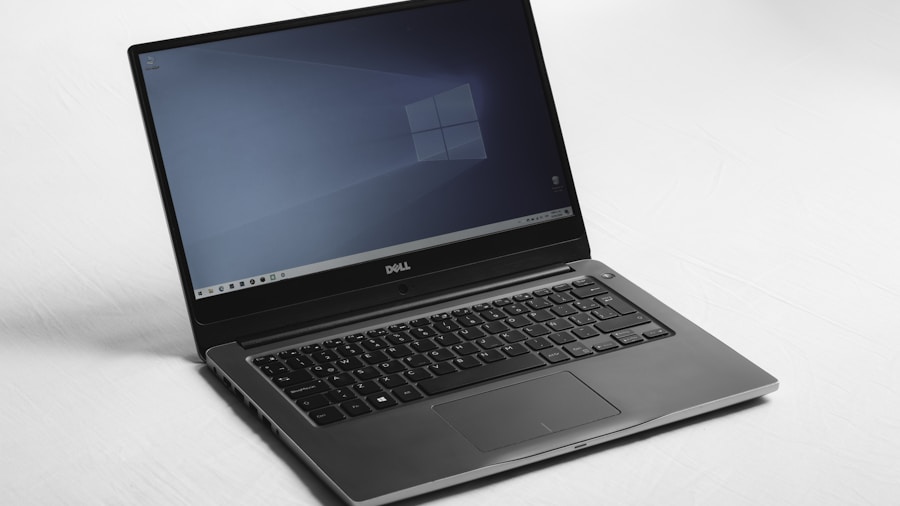
According to the manufacturer, the mobile workstation will deliver AI inference performance that is between 3 times and 5 times faster than current mainstream competing products. The device achieves up to 50 tokens per second when running large 35-billion-parameter Mixture of Experts models locally. For context, typical cloud-based API services deliver token throughput in the range of 30 to 80 tokens per second. If Sugon delivers on these promises, buyers could potentially run complex AI workloads on a laptop-sized device that rivals cloud performance, which would be a game-changer for remote workers and AI researchers.
Understanding the Hardware Inside
Sugon does not manufacture processors itself. The company is closely affiliated with Hygon, a Chinese chip maker that originated from a joint venture involving AMD and Chinese partners. While Sugon has not officially confirmed which processor powers the workstation, industry observers expect it to source chips from Hygon. The 64-thread configuration suggests the device will likely use either a processor from Hygon’s existing Zen-based lineup or their newer C86-5G series, which features a custom microarchitecture different from AMD designs.
The inclusion of 16GB of dedicated video memory is particularly telling. This discrete graphics solution indicates the workstation prioritizes GPU acceleration for AI tasks rather than relying solely on CPU processing. Such a pairing aligns with how modern AI inference workloads are optimized, making this configuration sensible for the target market.
Form Factor and Portability
One notable aspect of Sugon’s approach is the physical design. The mobile workstation measures just 0.665 inches thick, positioning it squarely in the thin-and-light premium laptop category. This is only marginally thicker than ultrabooks currently available from mainstream manufacturers. Buyers accustomed to standard laptops should feel comfortable with the device’s footprint, unlike older mobile workstations that resembled suitcase-sized portable desktops. This design philosophy suggests Sugon is targeting professionals who need genuine portability without sacrificing performance.
What This Means for Buyers and the Market
The emergence of purpose-built AI mobile workstations addresses a growing need in the market. Professionals working in machine learning, data science, and AI development increasingly require computational resources that exceed standard laptop capabilities. Modern CPUs and GPUs matter significantly for remote workers who handle computationally intensive tasks, and this device represents an evolution in that space.
For shoppers considering AI-capable hardware, Sugon’s announcement signals that options beyond traditional western manufacturers are becoming viable. The competitive landscape for workstation-class computing continues to expand, potentially driving innovation and offering consumers more choices. However, potential buyers should note that Sugon’s device may be primarily marketed toward enterprise and academic customers initially, given the company’s background in supercomputing solutions.
Price and Availability Remain Unknown
Sugon has not yet announced pricing or release dates for the mobile workstation. Given current memory and storage component costs, industry observers expect the device to carry a premium price tag. Buyers interested in AI computing hardware should monitor hardware tech communities and vendor announcements for updates.
The arrival of this device reflects broader trends in computing where specialized hardware for specific workloads, particularly AI applications, is becoming increasingly sophisticated and portable. Whether this particular offering reaches global markets or remains region-specific remains to be seen. Competition in the mobile CPU space continues to intensify as manufacturers pursue new performance targets and use cases, benefiting buyers who have more options than ever before.




Write Your Review
No reviews yet. Be the first to share your experience!