

Nvidia has announced the official arrival of its new RTX Spark N1X processors, confirming an October launch window for laptops and desktop mini PCs. This marks a significant shift in the portable computing landscape, introducing powerful AI-focused hardware that also delivers gaming performance. For shoppers weighing mini PC upgrades, the details matter, and understanding what’s coming helps you make smarter purchasing decisions.
What Exactly Is the RTX Spark N1X?
The RTX Spark N1X represents Nvidia’s latest unified memory architecture, combining CPU and GPU capabilities on a single chip. Two configurations are launching simultaneously. The higher-end variant pairs a 20-core Grace CPU with 6,144 CUDA cores, supporting up to 128GB of unified memory for both processing and graphics tasks. The entry-level option features an 18-core CPU with 5,120 CUDA cores, capped at 32GB of unified memory and available exclusively in laptop form factors.
This unified memory approach mirrors the strategy Apple pioneered with its M-series chips, eliminating the traditional separation between system RAM and GPU memory. The efficiency gains matter for creators and professionals running memory-intensive workloads.
Device Announcements and Timeline

Major manufacturers including Lenovo, Acer, Asus, Dell, MSI, HP, and Microsoft are bringing RTX Spark N1X systems to market. Lenovo debuted the Yoga 9n 2-in-1 laptop, while Acer unveiled the SFF RTX Spark, a compact desktop form factor that appeals to users seeking console-sized performance. Microsoft’s Surface Laptop Ultra represents the flagship offering, though specific October availability remains unconfirmed across all partners.
The mystery surrounding which devices launch first versus later in the year creates uncertainty for immediate buyers. Pricing information has not yet been released, making cost-benefit analysis impossible at this stage.
Gaming Performance Meets AI Capability
While manufacturers are positioning these mini PCs as AI-focused machines, Nvidia has demonstrated strong gaming capabilities during product demonstrations. The combination of processing cores and GPU performance suggests these aren’t compromises between work and play. Whether the October launch achieves the promised all-day battery life for laptop configurations remains to be tested in real-world use.
For gaming enthusiasts specifically, the 6,144 CUDA core variant should handle modern titles at solid framerates, though we lack formal benchmarks at this stage. Compact form factors have historically sacrificed thermal headroom, so temperature management during extended gaming sessions will be worth monitoring.
The Windows on Arm Landscape Shifts
The RTX Spark N1X represents the first major competitor to Qualcomm’s monopoly on Windows on Arm processors. This diversification matters for consumers because competition typically drives innovation and pricing pressure. AMD’s Strix Halo chips already introduced unified memory to x86-based laptops, and Nvidia’s entry escalates the feature arms race.
Application developers now have motivation to optimize software for Nvidia’s architecture, potentially unlocking performance gains for users. The timing also matters: Microsoft’s Agent Framework, which enables AI background processing within Windows, should coincide with the October window, though this remains unconfirmed.
Unified Memory: Why It Matters for Your Mini PC
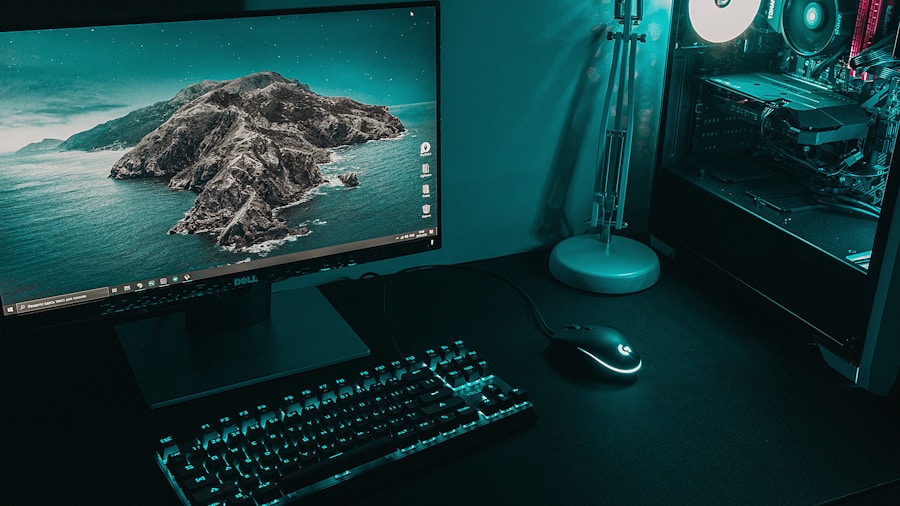
Traditional laptops and mini PCs separate system memory from GPU memory, requiring data to shuttle between pools frequently. Unified memory collapses this barrier, letting processors share the same data instantly. For creative professionals running AI workloads locally, this efficiency translates to faster rendering, quicker inference times, and lower power consumption. Gaming benefits less directly, but productivity and creative tasks see measurable improvements.
What You Should Do Now
If you’re currently shopping for a mini PC, waiting until October makes sense to compare RTX Spark N1X options against existing alternatives. Pricing will determine whether the performance premium justifies the cost. Existing mini PC inventory may see discounts as retailers prepare for the new generation, creating potential savings if you need a solution sooner.
Watch for detailed specifications and reviews throughout September and October. Real-world thermal performance, battery endurance claims, and gaming framerates will emerge once units reach reviewers and consumers. The combination of processing power, unified memory, and compact form factors addresses a legitimate gap in the market for users balancing performance with portability.







Write Your Review
No reviews yet. Be the first to share your experience!