

A compact, single-slot variant of the Nvidia RTX 3060 12 GB has surfaced at major retailers, priced around $496. This particular form factor represents a significant shift from the standard full-size GPU market, and understanding what it means could help you decide if it fits your computing needs.
What Makes This RTX Card Different
The low-profile RTX 3060 12 GB eliminates many of the common pain points that deter buyers from upgrading their graphics capability. Unlike traditional GPUs that demand dual slots, substantial power supply upgrades, and multiple cable connections, this streamlined version operates entirely from the PCIe slot’s 70 watts of power delivery. This means no additional power connectors are required, no PSU overhaul is necessary, and installation becomes a straightforward, worry-free process.
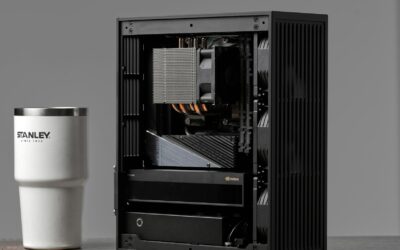
The card measures significantly smaller than standard models, making it suitable for compact systems, small form factor builds, or machines where space is at a premium. Its two monitor outputs provide functional display connectivity without the bulk of full-size alternatives. While the 70-watt power limitation does reduce peak performance compared to the 175-watt draw of standard RTX 3060 models, this trade-off creates new possibilities for users who previously thought GPU expansion wasn’t viable for their setup.
Who Should Consider This GPU
The primary appeal lies in specific use cases where conventional GPUs simply don’t fit. Users building systems around local AI model experimentation represent the core target audience. The card’s manufacturer positions it as capable of running 7 billion to 13 billion parameter language models locally, making it an entry point for machine learning hobbyists and developers who want to explore AI without cloud dependencies or subscription fees.
Beyond AI work, this RTX option works well as a secondary GPU in multi-card setups. Enthusiasts pooling multiple cards together can aggregate VRAM for more demanding workloads. The minimal power draw means adding one or more of these cards to an existing system requires zero PSU headroom calculation and zero cable management stress.
Another audience includes small office builders and system integrators who need affordable, hassle-free graphics acceleration without redesigning the entire power architecture. The lack of external power connections eliminates a common failure point and simplifies warranty support.
Price Trajectory and Market Context
Just two months ago, the same RTX 3060 12 GB variants were listed around $340. The jump to nearly $500 reflects broader GPU market trends: increased demand for AI-capable hardware and limited inventory of older-generation professional and specialized models. Prices continue climbing as supply remains constrained.
Before committing to this purchase, shop around and verify current pricing across retailers. Stock moves quickly on specialized cards like this, and prices can fluctuate week to week. Be cautious of scams targeting GPU buyers, especially with high-demand compute cards, and purchase only from authorized retailers with return policies.
Performance Expectations
The 70-watt power envelope means real-world performance will fall measurably below full-fat RTX 3060 12 GB cards. Thermal throttling becomes a concern under sustained load, since a single-slot cooler must dissipate all heat through minimal surface area. Low-power RTX 3060 variants face thermal challenges under intensive workloads, so manage expectations around gaming performance or sustained professional compute tasks.
For intermittent AI inference, local model serving, or secondary acceleration tasks, the performance hit proves acceptable. For real-time gaming or continuous 3D rendering, you’ll want a standard full-power card instead.
Installation and Compatibility

Any modern system with an available PCIe x16 slot can accept this card. No BIOS updates are necessary for recent hardware. Verify that your monitor outputs (DisplayPort or HDMI) match the card’s connectors before purchasing. The compact form factor means it fits into cases where full-size cards physically won’t, including many compact builds and HTPCs.
Should You Buy Now
At $496, this RTX model makes sense only if you specifically need a bus-powered, low-profile GPU and can’t wait for next-generation alternatives. Newer RTX 50-series GPUs are becoming available at reasonable prices, so compare current-generation options before settling on this older hardware at premium pricing. For casual users, the price-to-performance ratio doesn’t justify the cost, but for niche builders pursuing AI experiments or compact systems, this specialized card fills a genuine gap in the market.




Write Your Review
No reviews yet. Be the first to share your experience!