

A recent discovery by a Redditor has sparked conversation about the ongoing memory shortage affecting gaming rigs and PC builders everywhere. The user revealed that their garage contains roughly $7,200 USD worth of RAM modules, specifically multiple 64GB DDR4 sticks obtained from an old work server their employer allowed them to keep. While this windfall sounds like a dream scenario for anyone building or upgrading a gaming rig, the story highlights a more complex reality about memory costs and compatibility that every shopper needs to understand.
Why Server RAM Isn’t Your Gaming Solution
At first glance, finding thousands of dollars worth of unused memory components seems like the perfect answer to today’s inflated RAM prices. However, the real issue is far more nuanced. Server memory and gaming rig memory are fundamentally different products designed for different purposes. Most desktop gaming PCs use UDIMMs (Unbuffered Dual Inline Memory Modules), while servers rely on RDIMMs (Registered Dual Inline Memory Modules). These aren’t interchangeable, and installing incompatible memory could damage your system or prevent it from functioning altogether.
The Redditor’s find, while impressive in value, underscores a painful truth for budget-conscious gamers: you cannot simply swap server memory into your gaming rig and expect it to work. This compatibility gap means that even if surplus server memory becomes available at bargain prices, it won’t solve the memory shortage crisis for everyday PC gamers.
Understanding the Memory Crisis
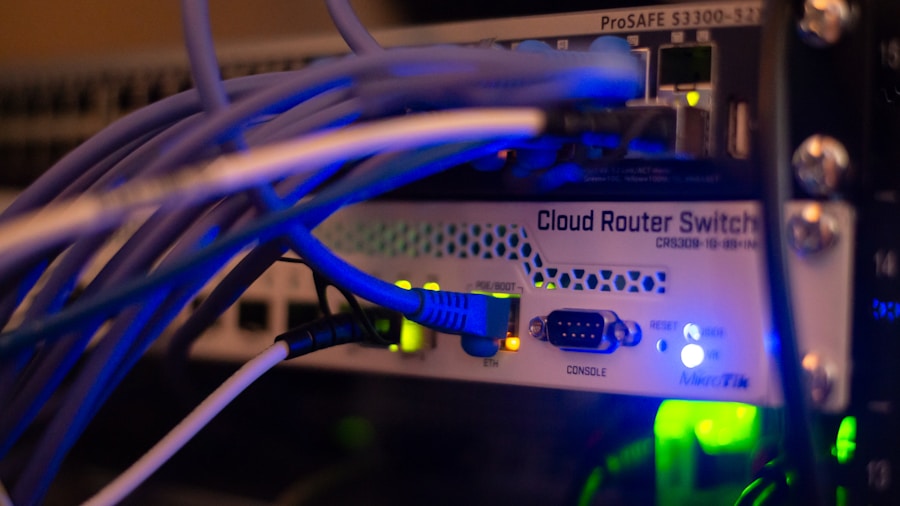
The current state of RAM pricing stems from multiple converging factors. Data centers powering artificial intelligence applications have created massive demand for high-capacity memory modules. This surge in server procurement has consumed significant portions of the global memory supply, leaving less available for consumer products. When industrial demand spikes like this, consumer prices inevitably follow.
For those shopping for a gaming rig setup, this means RAM costs have remained stubbornly high despite general economic fluctuations. A high-capacity DDR4 or DDR5 module that might have cost considerably less a few years ago now commands premium pricing.
What Shoppers Can Actually Do
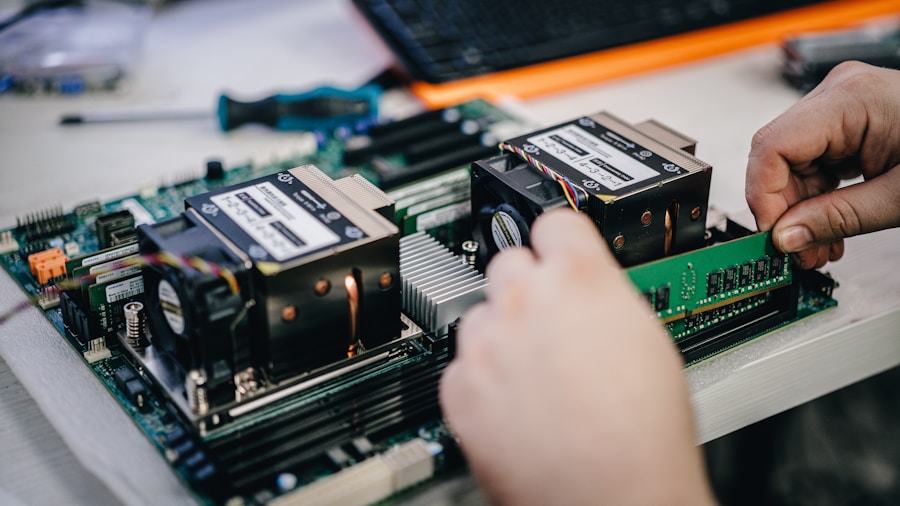
If you encounter server memory or similar surplus hardware, the most practical approach is to sell it rather than attempt to use it in your gaming setup. The Redditor in question hasn’t publicly stated their plans, but commenters on the original post have already begun inquiring about purchasing individual sticks. This secondary market activity suggests that selling surplus memory can provide real value even if it cannot be installed in consumer systems.
For those actively building or upgrading a gaming rig, focus on consumer-grade DDR4 and DDR5 modules designed specifically for desktop use. While prices remain elevated compared to earlier years, they’re more stable than they were during peak shortage periods. Shopping strategically through legitimate retailers and taking advantage of promotional periods can help reduce costs.
Current recommendations for gaming rigs include both budget and premium options. Budget-conscious builders can find solid 16GB DDR4 modules that offer dependable performance without excessive expense. Those willing to invest more can opt for higher-capacity 32GB or 64GB configurations using DDR5 technology, which offers better performance for demanding applications and future-proofing.
Looking Ahead
The broader implications of this story matter for anyone planning a gaming rig purchase. If the artificial intelligence investment bubble cools significantly, server manufacturers may reduce orders for new memory components. This could theoretically release inventory into the market, but even then, the memory would require time to filter through supply chains before reaching consumer markets. Additionally, the form factor differences mean server memory won’t suddenly become useful for gaming regardless of availability.
Another consideration involves timing your purchase. Those planning to upgrade or build a gaming rig shouldn’t delay indefinitely hoping for prices to crash. While continued monitoring of market trends makes sense, current pricing reflects the realistic cost of memory components in today’s global supply environment.
The takeaway for shoppers is straightforward: focus on legitimate consumer memory products designed for gaming rigs, understand that server surplus won’t solve your upgrade needs, and purchase when you need upgrades rather than holding out for a price collapse that may not materialize. The Redditor’s discovery is noteworthy primarily because it demonstrates how divorced enterprise hardware markets are from consumer gaming needs, even when both use fundamentally similar technology.







Write Your Review
No reviews yet. Be the first to share your experience!