

New Console GPU Specs Revealed by Reliable Leaker
According to a well-known hardware leaker active in the enthusiast community, the graphics processors for both the upcoming PlayStation 6 and Xbox Helix have now reached the tape-out stage. This milestone indicates that the final design phase is complete and both chips are ready to move into mass production. The announcement has sparked considerable discussion about how these new systems will compete in terms of raw processing capability.
The leaker provided specific performance figures for both consoles. The PS6 is expected to deliver 40 TFLOPS (trillion floating point operations per second), while the Xbox Helix will achieve 56 TFLOPS. This means Microsoft’s next-generation console would deliver approximately 40% more raw processing power compared to Sony’s offering. Both systems are planned to use AMD Zen 6 CPU cores paired with RDNA 5 based graphics architecture, making them architecturally similar but with different performance targets.
Understanding GPU Performance Metrics and Real-World Impact
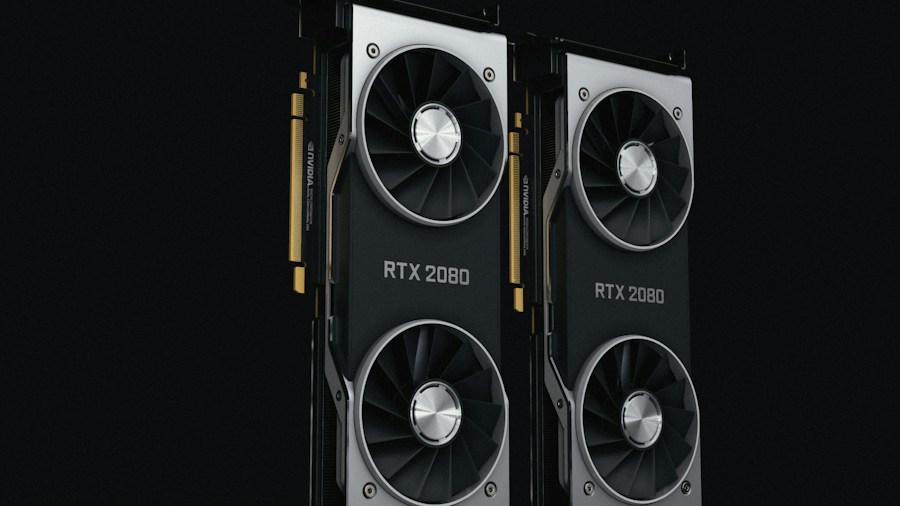
TFLOPS measurements represent peak computational throughput, but they tell only part of the story when evaluating graphics processor capability. For context, the current generation AMD Radeon RX 9070 XT achieves approximately 48.7 TFLOPS, while the standard 9070 reaches 36.1 TFLOPS. An RTX 5080 manages 56.28 TFLOPS, which aligns closely with the projected Xbox Helix figure. However, AMD readies next generation GPU architecture with considerations beyond simple TFLOPS ratings, including memory bandwidth and specialized processing capabilities.
It is important to understand that comparing TFLOPS across different GPU architectures provides only a crude performance estimate. Nvidia’s current generation graphics processors, for example, employ fundamentally different ray tracing and artificial intelligence processing approaches compared to AMD’s competing designs. This architectural diversity means that numerical comparisons do not always reflect actual performance outcomes in real gaming scenarios or creative applications.
What This Means for Console Shoppers
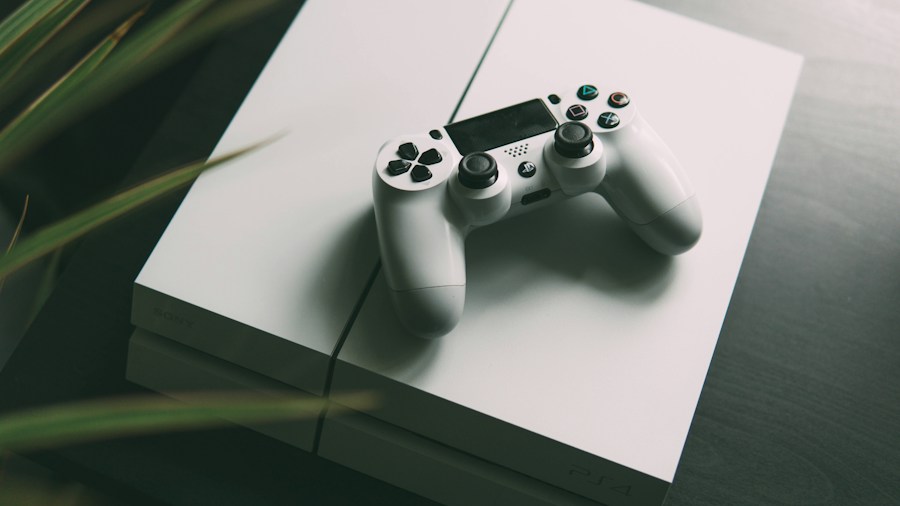
History demonstrates that raw processing power does not always determine console success. The Nintendo Wii, which offered only a fraction of the graphics and processor capability of the Xbox 360 or PlayStation 3, ultimately outsold both competitors through superior game selection and market positioning. The upcoming generation will likely follow a similar pattern, where factors beyond sheer computational performance will drive purchasing decisions and long-term platform success.
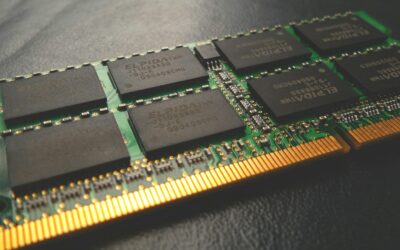
Game library availability will be crucial, as exclusive titles and strong third-party support have historically driven console adoption. Price represents another critical variable that consumers cannot ignore. Manufacturing costs are already substantial, with estimates suggesting production expenses of approximately $960 per PS6 unit. Rising RAM expenses will almost certainly pressure retail pricing for both platforms. AMD GPU driver updates hint at GDDR7 memory coming soon, and this transition may impact component availability and costs across the entire industry.
Timing and Reliability Considerations
These specifications and production milestones remain unconfirmed by either Sony or Microsoft. The hardware industry frequently sees leaks that later require correction or revision during actual development and optimization phases. Design tape-out represents the point at which the physical blueprint is finalized and sent to manufacturing partners, but final specifications can still undergo modification based on yield rates, thermal characteristics, and real-world testing results.
Consumers should approach these reports with appropriate skepticism while remaining informed about upcoming technology. Neither console is expected to arrive in the immediate future, giving companies substantial time to refine performance characteristics and optimize software architectures. Anyone considering a next-generation console purchase should monitor official announcements from Sony and Microsoft for confirmed specifications and launch information.
The competition between these platforms will ultimately extend well beyond GPU performance metrics. Professional applications have demonstrated how GPU architecture choices ripple through entire computing ecosystems. Similarly, the GPU decisions made by Sony and Microsoft will influence game development practices, exclusive title opportunities, and the long-term value proposition of each platform for different types of players.




Write Your Review
No reviews yet. Be the first to share your experience!