

AMD is laying the groundwork for its next-generation graphics processors by adding support for GDDR7 memory to its open-source Linux GPU drivers. This development signals that the company is actively preparing its software stack for advanced hardware that could arrive in the coming years, though no official launch timeline has been announced.
What AMD Is Doing Now
Recent code contributions to AMD’s Linux kernel driver reveal support for GDDR7 memory, a faster and more efficient memory standard than the GDDR6 found in current Radeon RX 9000-series cards. Alongside memory support, AMD has submitted patches enabling new components including IH 8.0, an updated Interrupt Handler block, and NBIF 7.10, the latest revision of its New Bus Interface. These changes follow earlier work on Display Core Next 6 and GFX 13.0.x, suggesting AMD is systematically preparing driver support for multiple hardware subsystems.
The most significant indicator is the GDDR7 addition. Since AMD’s current discrete Radeon GPUs rely on GDDR6, explicit driver support for GDDR7 strongly indicates development of a successor architecture. Industry observers believe these changes relate to AMD’s RDNA 5 project, the company’s planned next-generation GPU line following the current RDNA 4 generation.
What This Means for Shoppers
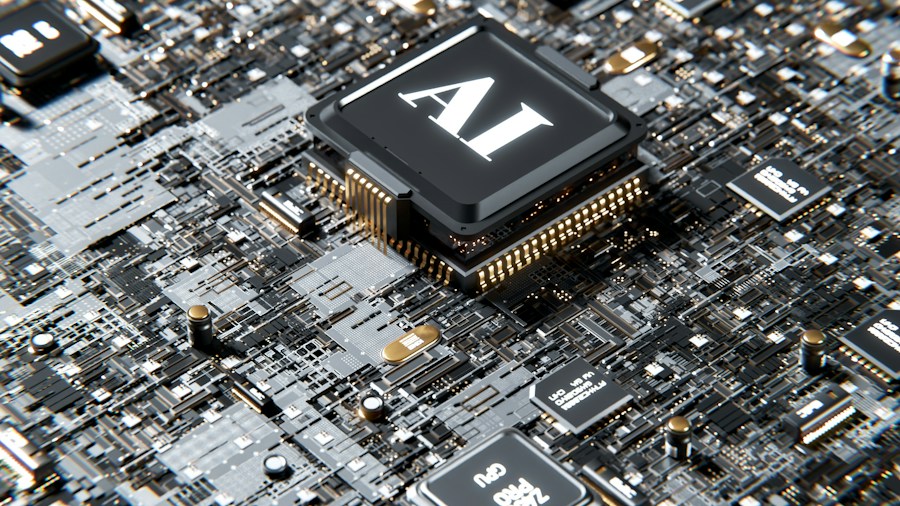
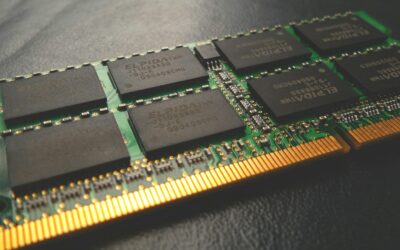
If you are a GPU buyer, understanding what is coming can help you make smarter purchasing decisions today. AMD’s GDDR7 GPU update hints at what buyers need to know about upcoming memory technologies. GDDR7 offers higher bandwidth and improved power efficiency compared to GDDR6, which translates to better performance in demanding workloads like 3D rendering, machine learning, and high-resolution gaming.
However, the presence of driver code does not mean imminent availability. AMD typically begins software preparation years before actual product launch, and the existence of upstream patches is a standard part of the development cycle for GPUs and other hardware. Based on typical GPU development timelines spanning 2.5 to 3.5 years, RDNA 5 may still be in internal testing phases, with public availability potentially still months or years away.
The Bigger Picture Hardware Strategy
Beyond GDDR7, AMD’s approach to future GPU architecture suggests more ambitious engineering. According to details disclosed about the company’s next-generation platform leaders, AMD is exploring flexible chiplet-based designs alongside monolithic implementations. This means future Radeon GPUs could use multiple smaller chips working together or a single unified design, depending on performance targets and cost considerations.
AMD already demonstrated multi-chip GPU design with its Navi 31 processor, which separated graphics compute functions from memory and cache operations across different dies. A more complex multi-chiplet approach for RDNA 5 could distribute computing resources across multiple dies, though such an implementation would require sophisticated synchronization and high-speed data pathways to function as a single cohesive graphics processor from the software perspective.
Market Context and Supply Realities
The move toward GDDR7 also reflects broader industry trends. Professional workstations are increasingly bringing advanced GPU power to demanding field applications, creating pressure for next-generation memory technologies. GDDR7 promises the bandwidth and efficiency needed for professional workloads, but availability remains a consideration, as memory chip supply remains constrained across the industry.
Currently, AMD has made no official announcements regarding RDNA 5 specifications, launch dates, or product tiers. The company continues to sell Radeon RX 9000-series cards based on RDNA 4, and that lineup will likely remain the focus for the near term. The driver code changes represent standard backend preparation rather than a signal of imminent consumer availability.
What Buyers Should Do Now
For consumers shopping today, this development does not require urgent action. If your current GPU meets your needs, upgrading immediately makes little sense given the typical 18 to 24 month product cycle. However, if you are planning a new build or upgrade within the next year, understanding that GDDR7 and improved architectures are in development can help you frame realistic expectations about feature availability and pricing.
Anyone monitoring AMD’s competitive position should keep an eye on official announcements from the company and performance benchmarks as they become available. For now, the Linux driver updates simply confirm that AMD is methodically preparing the software foundation for its next chapter in discrete graphics, a necessary and expected step in the lengthy hardware development process.



Write Your Review
No reviews yet. Be the first to share your experience!