

A troubling surge in organized cargo theft targeting premium AI data center equipment has emerged across California highways, raising serious concerns about supply chain security and what it means for hardware shoppers. Recent attacks by sophisticated thieves have resulted in millions of dollars in stolen server hardware destined for AI infrastructure, marking a dramatic escalation in what security experts are calling the worst cargo crime environment in recent memory.
The Theft Operations: Tactics and Scope
In recent months, two major shipments of AI data center equipment traveling from Silicon Valley to Southern California fell victim to coordinated hijacking operations. The thieves employed aggressive tactics: one attack involved rear-ending a private security escort vehicle, while another used a PIT maneuver (precision immobilization technique) to disable the protection. The PIT maneuver, traditionally used by law enforcement to end high-speed chases, was weaponized to spin the security vehicle off the road. Once the escorts were neutralized, the accompanying semitrucks simply continued driving and vanished.
What makes these thefts particularly concerning is the evidence that truck drivers were complicit in the operations. Both incidents involved motor carrier numbers that had recently changed ownership, a common fraud tactic that allows criminals to book freight under legitimate federal company registrations. This inside knowledge and coordination demonstrates a level of sophistication far beyond opportunistic cargo theft.
Why AI Hardware Attracts Thieves
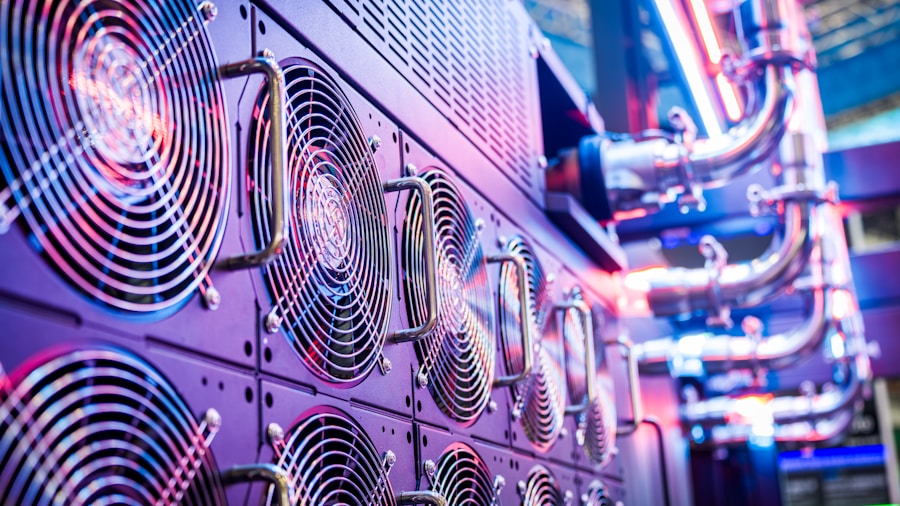
The stolen equipment includes high-value AI servers and processing components, which have become surprisingly attractive targets on the black market. Export controls imposed by the United States on advanced AI hardware have created a massive price disparity internationally. In China, restricted Nvidia servers sell for more than double their official U.S. retail price. For example, Nvidia’s flagship DGX B300 server retails for approximately $550,000 in America but commands over $1.1 million on the black market abroad. Even older models, like five-year-old A100 servers, have tripled in price overseas due to scarcity created by export restrictions.
This unusual economic dynamic means that a single hijacked truckload of restricted AI hardware can be worth substantially more when stolen and sold on the black market than it would be through legitimate channels. That financial incentive has created a dangerous environment for legitimate supply chains moving this critical equipment.
Broader Supply Chain Security Crisis
The California incidents are part of a much larger problem. Cargo theft losses across the United States and Canada have more than doubled year over year, reaching $304.6 million in the second quarter of 2026. Although the overall number of theft incidents has declined by 26 percent during the same period, the average reported theft now exceeds $564,000 in value. As security consultants note, fewer incidents do not necessarily indicate lower risk when individual thefts involve millions of dollars in equipment.
Enterprise computing and networking equipment ranks among the most targeted categories for organized theft. Major recoveries this summer included $550,000 in server switches destined for Meta and approximately $1 million in data center equipment discovered in a trailer outside Chicago. Security investigators tracking location data from stolen components have found evidence suggesting many shipments end up overseas, where buyers are willing to pay premium prices for restricted hardware.
What This Means for Shoppers and Builders
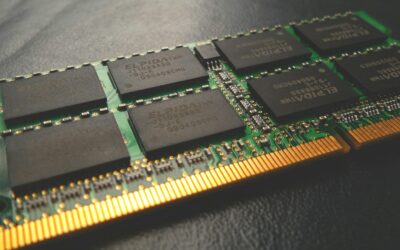
For consumers and businesses purchasing memory and computing components, these thefts underscore the importance of sourcing equipment through established, reputable channels. Supply chain disruptions caused by cargo theft can lead to delayed deliveries and inflated prices as legitimate inventory dwindles. Builders and system integrators may experience longer lead times or higher costs when premium components become scarce due to theft losses.
The security vulnerabilities revealed in these incidents suggest that even high-value shipments moving under armed escort remain at risk from determined, organized criminals. This reality should prompt both hardware manufacturers and logistics companies to invest in enhanced security measures beyond traditional approaches. Buyers should remain aware that supply chain instability can affect product availability and pricing.
Additionally, understanding that premium AI hardware commands extraordinary black market prices helps explain why securing the supply chain remains such a critical industry challenge. When stolen goods become more valuable than legitimate ones, the incentive structure fundamentally changes how criminals operate.
Looking Forward
The cargo theft crisis affecting AI hardware shipments reflects a convergence of factors: export restrictions creating price differentials, inside knowledge among logistics personnel, and increasingly sophisticated criminal tactics. Industry experts and law enforcement continue investigating these cases, though neither of the hijacked trucks has been recovered. For shoppers and businesses relying on premium computing components like high performance memory solutions, maintaining awareness of supply chain challenges remains prudent. Choosing reliable vendors with strong security practices and transparent sourcing information becomes increasingly important in an environment where cargo theft poses genuine risks to equipment availability and pricing stability.


Write Your Review
No reviews yet. Be the first to share your experience!