

Corsair Launches New Generation of Liquid Cooling Solutions
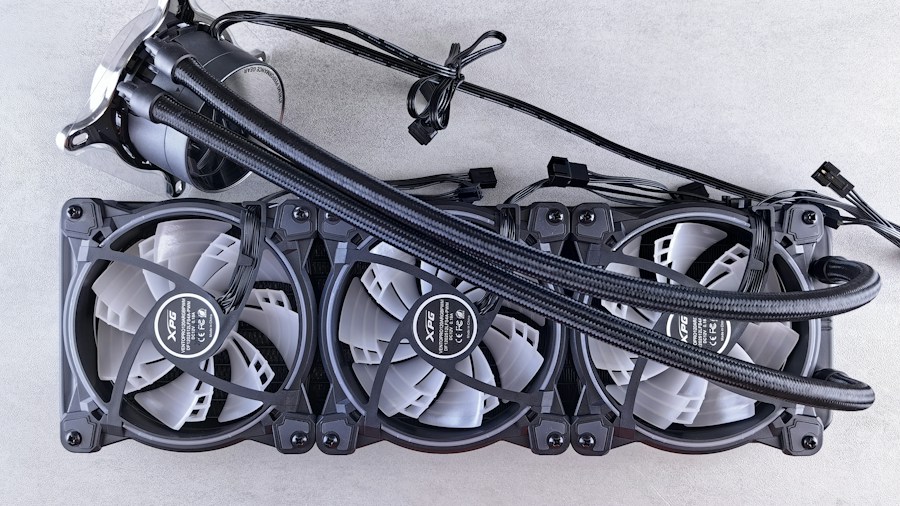
Corsair has announced a major refresh to its cooling product ecosystem, introducing the Nautilus II series of all-in-one liquid CPU coolers alongside an updated RS II fan lineup. This announcement brings multiple cooling configurations to market, designed to address various performance needs and aesthetic preferences for PC builders and upgraders across the United States.
The centerpiece of this release is the Nautilus II RS LCD, a 240mm or 360mm all-in-one cooler equipped with a distinctive 3.5-inch IPS display mounted directly on the CPU block. This display connects via DisplayPort, enabling it to function as a secondary Windows monitor or display custom animations and real-time system statistics. The screen adds both practical monitoring capability and visual flair to high-end builds.
Key Hardware Improvements Across the Nautilus II Family
Every Nautilus II model incorporates Corsair’s FlowDrive 2S pump technology and a thinner cold plate optimized for AMD processors. This design choice reflects the growing demand for compatibility across multiple socket types. The included RS II fans use an AirGuide frame design and Magnetic Dome Bearings, which Corsair positions as an improvement over prior generations in terms of airflow efficiency and bearing longevity.
Beyond the LCD variant, buyers will find the Nautilus II RS in black and the Nautilus II RS ARGB in both black and white options. Both models share the core cooling hardware of the LCD version but omit the display. The ARGB edition incorporates customizable RGB lighting in the fans and around the pump housing, allowing users to synchronize lighting effects with other compatible components.
For those seeking flexibility in their cooling setup, alternative AIO solutions from other manufacturers continue to offer competitive features at various price points.
Standalone Fan Options and System Integration
Corsair has also introduced new RS II standalone fans in 120mm and 140mm sizes, as well as a 360mm unified-frame fan configuration that mounts using four screws. These fans support daisy-chain PWM connectivity, making them suitable for multi-fan installations without requiring numerous power connections. When paired with Corsair’s optional Commander Duo controller, the fans integrate seamlessly into iCUE Link setups, enabling centralized control and monitoring through Corsair’s software ecosystem.
The RS II ARGB fan variants offer individual RGB control, appealing to builders focused on coordinated lighting throughout their systems. This integration capability positions the new fans as part of a broader ecosystem rather than standalone components.
Pricing and Availability in the US Market
Pricing for the Nautilus II AIO coolers reflects their feature set and cooling capacity. The 240mm models start at entry-level pricing and climb toward premium tiers as features expand, with the LCD display model commanding a significant premium. The 360mm variants offer greater cooling capacity for larger systems or higher-performance builds, priced accordingly above their 240mm counterparts.
Standalone RS II fans begin at the lower end of the pricing spectrum, making them accessible upgrades for users seeking improved airflow without committing to a full cooler replacement. The ARGB variants command a modest premium, while the unified-frame solutions offer value for users building multi-fan arrays.
Availability has already begun in select markets, with broader rollout expected to continue through retail channels and online retailers across North America in the coming weeks.
What This Means for Shoppers
This product launch signals Corsair’s commitment to catering to multiple segments of the PC building market. Budget-conscious builders can select the standard RS model, performance-focused users can opt for the ARGB version with customization options, and enthusiasts seeking maximum features will find appeal in the LCD display model with its dual-purpose functionality.
The emphasis on AMD optimization in the cold plate design acknowledges the competitive processor landscape and ensures the coolers remain relevant across mainstream and high-end builds. Meanwhile, compact cooler designs from competing manufacturers continue to address space-constrained builds, underscoring the importance of checking compatibility with your specific case and socket type.
The integration with iCUE and the daisy-chain fan connectivity reflect modern expectations for software control and simplified installation. Shoppers already invested in Corsair’s ecosystem will find these products integrate smoothly, while new builders considering an all-in-one cooler investment should factor in the long-term benefits of ecosystem consistency.
Whether you are upgrading an aging cooler, building a new system, or replacing failed components, other manufacturers are also releasing updated cooling solutions worth comparing based on your specific performance and aesthetic needs. Evaluating your budget, case dimensions, and performance requirements remains the best approach to selecting the right CPU cooler for your build.









Write Your Review
No reviews yet. Be the first to share your experience!