

A developer recently completed a custom-built smart speaker project that challenges conventional wisdom about what shoppers should spend on home audio solutions. Rather than purchasing an expensive commercial smart amplifier, this engineer designed and assembled a fully functional music system from scratch, revealing important lessons for consumers tired of ecosystem lock-ins and inflated speaker prices.
The Problem With Today’s Smart Speaker Market
Finding an affordable smart amplifier that plays nice-quality audio without forcing users into a company ecosystem has become increasingly difficult. Most commercial solutions either demand expensive subscription services or lock buyers into a proprietary platform. For listeners who maintain large music libraries stored on personal devices or network storage, traditional wireless speakers often require awkward setup processes and compress audio quality in transit.
The core frustration stems from a mismatch between what consumers actually want and what manufacturers offer. Premium systems that support independent music libraries and display interfaces typically cost well above $1,000. Budget alternatives, meanwhile, force users into subscription models and limit speaker choices. This gap left one audio enthusiast wondering whether building a custom solution might be more practical than accepting these trade-offs.
Building a Custom Solution From Off-the-Shelf Components
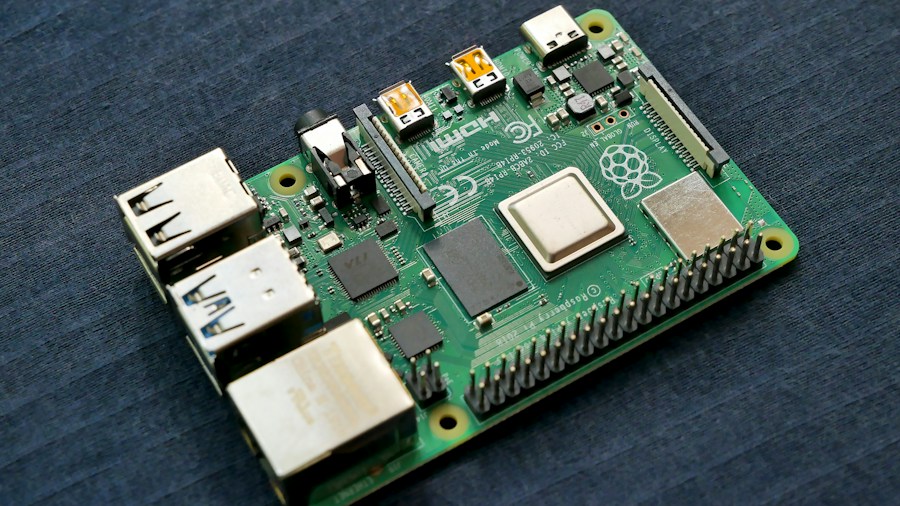
The project began with a spare Raspberry Pi single-board computer and open-source music server software called MoOde. This platform can connect directly to network storage where music files live, eliminating the need for streaming through the cloud. It provides a visual interface for browsing album artwork and supports wireless casting for guest devices using AirPlay and Bluetooth. Modern speaker innovations continue evolving the ways listeners can control audio, but DIY approaches offer unique flexibility.
The trickier challenge involved amplification. Most existing add-on boards for the Raspberry Pi either function as digital-to-analog converters or headphone amplifiers, lacking the power needed to drive full-sized passive speakers at comfortable living room volumes. This limitation prompted the engineer to design a custom amplifier circuit from the ground up.
Understanding the Hybrid Amplifier Design
The final amplifier uses a hybrid configuration combining vacuum tube and solid-state transistor stages. A vacuum tube in the voltage amplification section adds subtle harmonic coloration when pushed hard, preventing harsh distortion while delivering approximately 15 watts per channel at full voltage. Complementary output transistors provide the current necessary to drive speakers efficiently.
This approach differs sharply from modern mass-market amplifiers, which typically use more efficient Class-D designs. The hybrid topology introduced intentional character into the audio path while keeping component costs reasonable. At normal listening levels, the tube remains virtually inaudible, but at higher volumes it produces progressively more harmonic compression rather than harsh clipping.
The entire amplifier circuit, including a display touchscreen and volume encoder, fits into a compact wooden enclosure designed using computer-aided design software and fabricated on an affordable desktop CNC machine. Speaker control integration continues simplifying multi-device audio management, and this DIY solution offers similar convenience through web interface or smartphone control.
Total Cost and Real-World Performance

The complete project cost approximately $200 in materials and component fees, substantially less than the commercial alternatives that inspired the build. The most expensive single component is the Raspberry Pi itself. Circuit board manufacturing and component assembly cost around $45 per unit, while the vacuum tube, display, and enclosure materials added roughly $80 combined.
After powering up the finished amplifier, initial testing revealed that 15 watts per channel provided far more volume than necessary for typical room listening. The builder subsequently switched to a 24-volt power supply, which still delivers ample volume at moderate settings while reducing heat generation from the output transistors.
Sound quality met expectations, with the tube stage introducing pleasant saturation characteristics at higher volumes without producing objectionable distortion. At moderate levels, the amplifier operates with minimal added harmonics, preserving the clarity of CD-quality FLAC audio files stored on network drives.
What This Means for Speaker Shoppers
This project illustrates that viable alternatives exist to the conventional smart speaker purchase. While building a custom amplifier requires significant technical knowledge and specialized tools, the existence of platforms like MoOde and affordable component options demonstrates that manufacturers leave genuine gaps in the market.
For consumers frustrated with subscription requirements and ecosystem restrictions, exploring modular audio solutions or working with system integrators who understand custom builds may yield better long-term value. Commercial speaker releases continue adding smart features and app integration, but some buyers may discover that older technologies like Raspberry Pi combined with open-source software actually address their needs more directly than premium offerings.
The key takeaway: smart speakers need not mean expensive speakers with mandatory online services. Careful consideration of your actual music sources and listening habits might reveal that purchasing individual components and assembling a custom solution provides superior flexibility and value compared to all-in-one commercial systems.









Write Your Review
No reviews yet. Be the first to share your experience!