

Leaked DLSS 5 Technology Now Works on Older Graphics Cards
Nvidia’s next-generation DLSS 5 neural rendering technology unexpectedly became available to owners of older graphics cards this week when community modders patched a leaked version of the software to work beyond its intended hardware. What started as access limited to the latest RTX 50-series cards quickly expanded to RTX 40-series owners, and now runs on RTX 30-series Ampere GPUs through modifications shared across developer communities. This rapid expansion raises important questions about what older GPU owners can actually expect from this cutting-edge technology.
Performance Reality Check for Older Cards
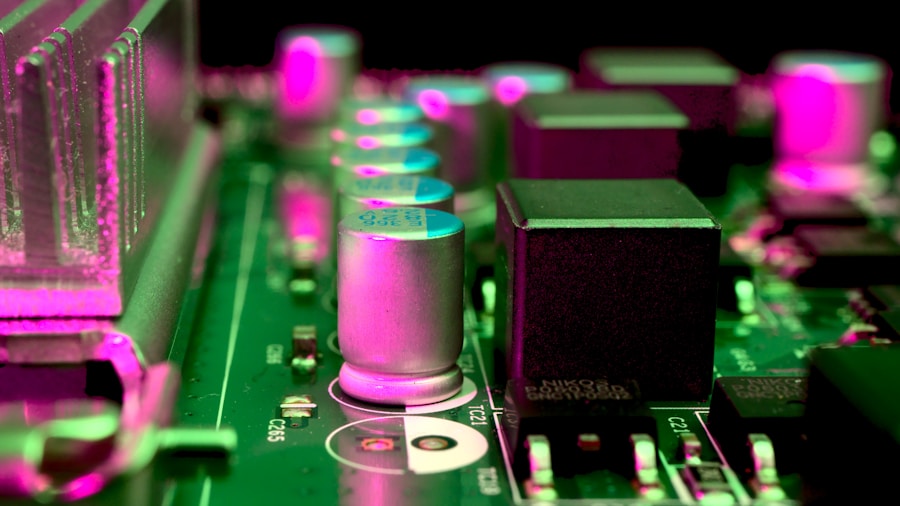
The results of running DLSS 5 on older graphics cards have been decidedly mixed, and for many users, disappointing. Performance varies wildly depending on the specific game and hardware combination, but the common thread is significant frame rate degradation compared to traditional rendering methods. In best-case scenarios, users with high-end Ampere cards like the RTX 3080 Ti or RTX 3090 managed to achieve playable frame rates ranging from 20 to 40 FPS in select titles. However, these acceptable results came only when users drastically reduced their base graphics settings and accepted substantial visual compromises.
The picture becomes far grimmer when examining broader testing across various games and user configurations. Many gamers reported frame rates in single digits, with some seeing as low as 2 FPS. One particularly striking example involved a user experiencing 4 FPS in Deep Rock Galactic on an RTX 3080, compared to 130 FPS without DLSS 5 enabled. Even more frustrating were cases where the technology became nearly unusable, such as 7 FPS in Cyberpunk 2077 on an RTX 3080 Ti. These results suggest that for most Ampere GPU owners, DLSS 5 remains far from practical for actual gaming.
The Trade-Off Between Image Quality and Performance
Understanding how DLSS 5 works is critical to understanding why older cards struggle so severely. This neural rendering technology relies heavily on artificial intelligence to upscale and enhance imagery beyond what traditional rendering methods can achieve. The tradeoff structure is fundamental to the technology itself: achieving the photorealistic improvements that DLSS 5 promises requires users to dial down their base graphics settings considerably. When users maintained higher visual fidelity settings, performance tanked catastrophically.
The latency impact compounds the frame rate problem. Because the neural rendering process now dominates frame pacing, users reported experiencing frame time multiplication of up to ten times compared to their baseline performance. This means that even if you see a technically acceptable frame count, the actual responsiveness and smoothness of gameplay can feel far worse than the numbers suggest. For competitive gamers or anyone sensitive to input lag, this represents a serious usability issue.
One example illustrates the extreme nature of these compromises: a user achieved 41 FPS in Cyberpunk 2077 with DLSS 5, but only by dropping to 720p resolution and using the ultra performance upscaling preset. At that point, the GPU is doing so much upscaling work that it bears little resemblance to native rendering at higher resolutions, which is typically what gamers expect from their graphics hardware investments.
What This Means for GPU Purchasing Decisions
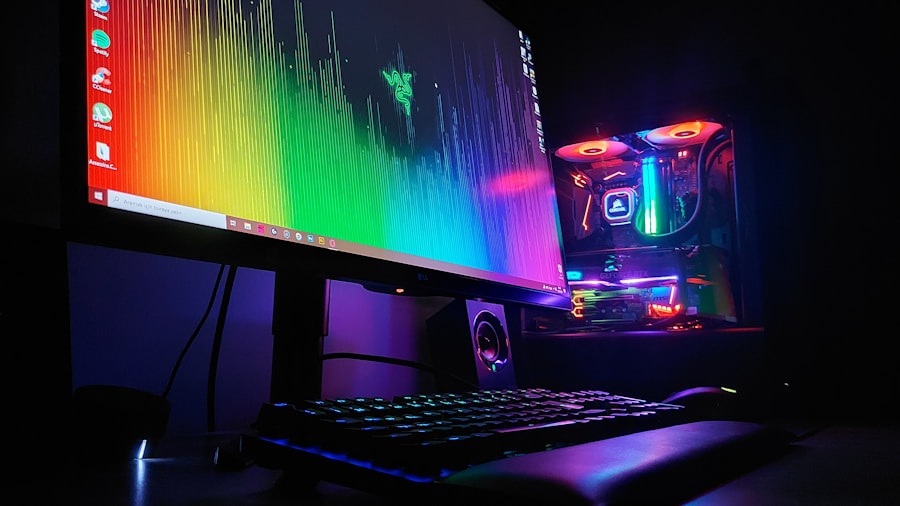
The leaked DLSS 5 experiments have already influenced buying behavior among enthusiasts who witnessed the gap between current and next-generation technology. Several users announced plans to replace their Ampere cards with upcoming Blackwell generation GPUs, motivated primarily by DLSS 5 performance improvements. This represents a fascinating shift in how consumers prioritize graphics card features, with artificial intelligence capabilities suddenly becoming a primary purchasing driver rather than a secondary consideration.
Nvidia has not yet officially announced DLSS 5 availability or confirmed which GPU families will receive support. However, the company previously supported DLSS 4.5 across GPUs dating back to the RTX 20-series. Industry observers anticipate that official DLSS 5 support will prioritize the RTX 50-series because newer architectures include native hardware support for FP8 libraries that DLSS 5 depends on at a fundamental level. These architectural differences likely explain why older cards perform so poorly with the technology.
Should Older GPU Owners Worry
For current Ampere GPU owners, the practical takeaway is clear: DLSS 5 is not ready for your hardware, and forcing it to work via community patches produces disappointing results. This doesn’t mean your RTX 30-series card is obsolete. Current versions of DLSS and other upscaling technologies continue to provide meaningful benefits. Understanding the gap between older and next-generation technology can help you make informed decisions about whether upgrading serves your gaming needs and budget.
The broader story here involves how rapidly GPU technology evolves and how new features sometimes arrive as a generational leap rather than incremental improvements. If DLSS 5 performance on newer hardware proves substantially better than what we’re seeing on Ampere cards, it might represent a legitimate reason to consider an upgrade, particularly for users prioritizing image quality through neural rendering. For now, patience remains the wisest approach for owners of older GPUs.






Write Your Review
No reviews yet. Be the first to share your experience!