

A sophisticated theft operation at an esports hotel in China has highlighted a troubling vulnerability in the secondhand GPU market and the security practices of gaming facilities worldwide. Two criminals were arrested after stealing high-end graphics cards worth approximately $12,000 by swapping them with much cheaper alternatives in guest rooms, a scheme that went undetected for days until a power outage exposed their crime.
How the GPU Swap Scheme Worked
The thieves targeted gaming hotels, which operate as upscale facilities where customers rent private rooms equipped with premium gaming computers. These establishments are common throughout Asia and offer high-performance rigs to enthusiasts. The criminals deliberately booked rooms with the most expensive GPU configurations available, specifically those equipped with RTX 5080 and RTX 5070 cards.
Once checked in, they would open the PC cases and remove the premium graphics cards, replacing them with significantly weaker RTX 3060 units. The substitution worked because the physical dimensions and appearance of the cards were similar enough that casual inspection revealed nothing. Systems continued to function normally, and subsequent customers experienced no obvious problems that would trigger closer examination by management.
This is particularly concerning for consumers considering purchases from rental facilities or secondary markets. When retailers and hotels fail to verify hardware specifications, buyers risk receiving downgraded equipment at premium prices. The scheme succeeded precisely because no one looked closely enough until forced to do so.
Discovery and Financial Impact
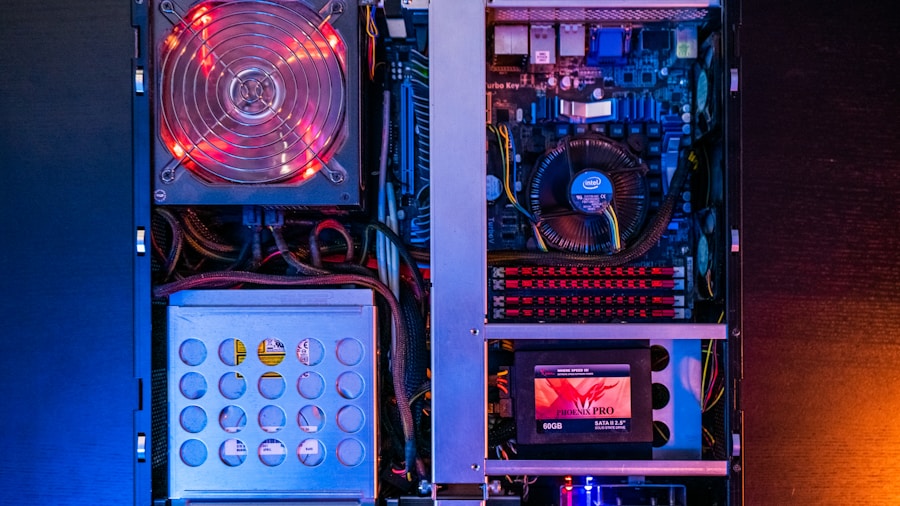
The operation unraveled on July 18 when an unexpected power outage occurred during the thieves’ work. Facing the blackout, they requested a room transfer from the front desk. When an electrician responded to restore power in their abandoned room, he noticed pry marks on the PC case. Management’s subsequent inspection revealed two RTX 3060 cards where RTX 5080s should have been.
Police tracked the suspects through hotel registration records and apprehended them within two days near a computer equipment district. Their investigation revealed a troubling pattern: the pair had executed this exact theft at least four separate times previously. The price differential made their scheme profitable enough to repeat. An RTX 5080 carries a retail value near $1,400, while an RTX 3060 costs roughly $400. The thieves sold stolen 5080s for approximately $700 each on the secondhand market, undercutting legitimate retail channels while still earning substantial profit margins.
The total confirmed loss from this criminal operation reached 80,000 Yuan, equivalent to nearly $12,000. Both suspects admitted to their activities during questioning, making this one of several high-value hardware thefts targeting gaming facilities in Asia over recent months.
What This Means for GPU Shoppers
For consumers in the market for GPUs, this incident underscores the importance of purchasing from reputable retailers with strong inventory controls. When buying graphics cards secondhand or from unfamiliar sources, verification of specifications becomes critical. Request serial numbers, photograph packaging, and when possible, verify the card’s identity through official manufacturer channels before completing any transaction.
Gaming hotels and public gaming facilities should implement hardware verification protocols, including regular visual inspections and software-based hardware monitoring that alerts staff to configuration changes. As GPU prices remain elevated and demand continues, secondary market activity stays robust, creating ongoing opportunities for similar schemes.
The broader implications extend to facility operators worldwide. Gaming hotels operate on thin margins, and undetected hardware theft erodes profitability while damaging customer trust. Implementing basic security measures such as tamper-evident case seals, regular hardware audits, and guest agreements that hold renters accountable for equipment verification could prevent similar incidents.
Protecting Your GPU Investment
Whether purchasing new or used graphics cards, establish a verification checklist. Request original purchase receipts when buying secondhand, check that physical packaging matches the product specifications, and run diagnostics software to confirm actual VRAM capacity and chip identification. For those building custom systems with high-value components, physical protection solutions can safeguard your investment against tampering.
This case demonstrates that even sophisticated criminals target GPU investments because resale values remain strong. By staying vigilant about where you source graphics cards and taking time to verify specifications before completing purchases, you can avoid becoming a victim of similar schemes in your own market. The gaming community benefits when consumers demand transparency and accountability from both retailers and secondary market sellers.

Write Your Review
No reviews yet. Be the first to share your experience!