

A High-Stakes Warranty Dispute Emerges
A recent incident involving a failed GeForce RTX 5090 graphics card has raised serious questions about warranty coverage for one of the most expensive GPUs ever released. When a user’s RTX 5090 suffered connector damage despite using the native power cable from his system’s power supply, the manufacturer’s warranty denial has sparked widespread discussion about consumer protection and what high-priced hardware buyers should realistically expect.
The user reported that his RTX 5090 experienced melting of the 12V-2×6 power connectors while the card sat idle, with no overclocking enabled and power limits manually reduced. Despite these conservative conditions, the card became non-functional. When he submitted a warranty claim, he received a response stating that only manufacturer-supplied or officially approved cables qualify for warranty protection. Any damage from third-party cables, adapters, or power supply native connectors would not be covered.
The Critical Gap in Warranty Language
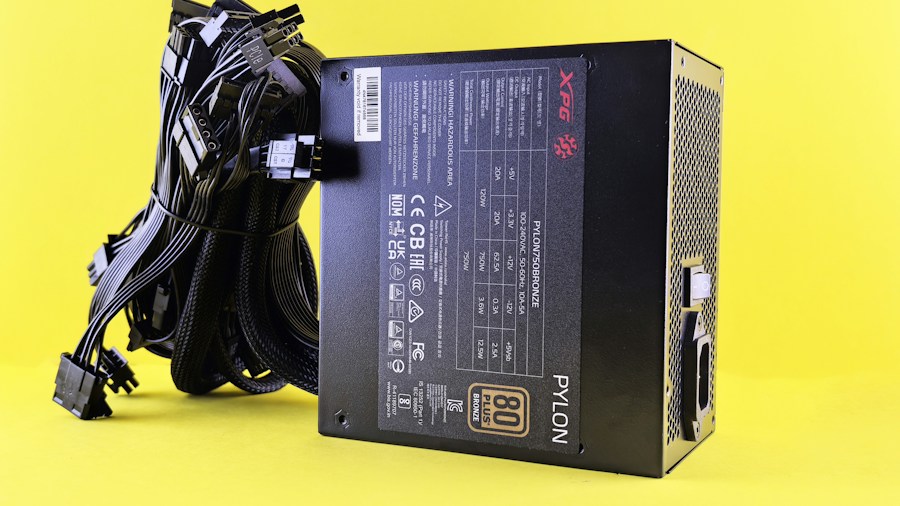
What makes this situation particularly contentious is the apparent mismatch between the warranty policy and the actual documentation. The company’s support response emphasized that buyers must use only PNY-approved cables, yet no official list of approved cables appears to exist on the company’s website or in product documentation. More importantly, the RTX 5090 does not ship with a native 16-pin cable in the box, leaving buyers to source their own connection solution.
The official installation guide simply instructs users to locate an unused power connector within their system and plug it into the graphics card’s corresponding connector. This guidance does not specify which cables are acceptable, nor does it warn that using the power supply’s native cables could void the warranty. The warranty terms themselves mention only that the card must be installed according to the installation guide, with no specific mention of 12VHPWR or 12V-2×6 cable restrictions. Understanding what protections come with premium GeForce hardware becomes essential before making these substantial investments.
Power Supply Involvement Complicates the Picture
The user was employing a 1600-watt power supply that allegedly included a temperature monitoring feature designed to prevent exactly this type of failure. The power supply’s documentation advertised a TempGuard system meant to monitor temperatures at the 12V-2×6 connector on the power supply end, providing an additional safety layer. Either this feature was not configured properly or it failed to function as intended.
This detail introduces another layer of complexity. The power supply manufacturer offers a ten-year warranty on its unit, which technically could shift responsibility for the failure away from the GPU manufacturer. Some community members have suggested that the GPU manufacturer may be aggressively denying the warranty claim precisely because doing so shifts liability to either the power supply maker or leaves the user bearing the cost entirely.
Why This Matters for GeForce Buyers

Graphics cards in the RTX 5090 price range now exceed four thousand dollars at retail, representing a significant investment for enthusiasts and professionals. As these GPUs become more central to gaming and content creation workflows, warranty service expectations naturally rise. Most consumers reasonably assume that using standard power supply connectors poses no warranty risk, particularly when the product documentation does not warn against such use.
The situation reveals a troubling pattern where manufacturers may rely on unwritten or obscure technicalities to avoid honoring warranties on expensive hardware. When support representatives close tickets after declaring decisions final without providing clear citations to specific warranty clauses, buyers lose their opportunity to understand the actual terms of their purchase.
What Shoppers Should Do
Before purchasing any high-end GPU that uses the newer 12V-2×6 connector standard, examine the warranty documentation carefully. Look specifically for any restrictions on power cable types. Ask the manufacturer directly, in writing, whether using native power supply cables is covered under warranty. Request clarification on what “PNY-approved” means and ask for an official list of compatible cables.
Consider whether purchasing from retailers that offer strong return policies might provide additional protection beyond the manufacturer’s warranty. Some retailers allow returns within extended windows if you encounter issues, providing a safety net when manufacturer warranty denials occur. Researching user experiences and manufacturer support patterns before buying premium hardware can help you make informed decisions about which products offer the protection your investment deserves.







Write Your Review
No reviews yet. Be the first to share your experience!