

A brazen attempt to steal high-value computing hardware from a major technology partnership has ended in embarrassment for the thieves, raising important questions about the vulnerabilities in GPU supply chains and what this could mean for consumers and businesses alike.
The Failed Heist: Sand Instead of Silicon
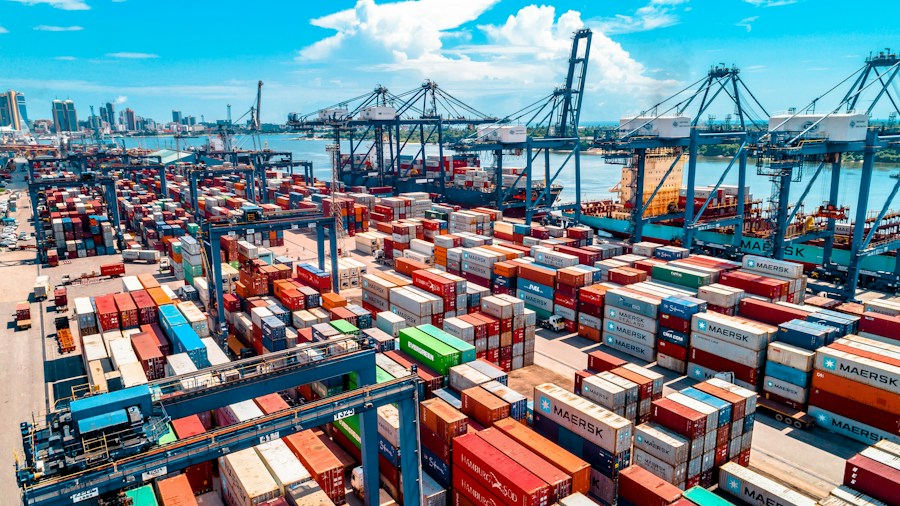
Criminals recently targeted two trailers bearing well-known branding from a major AI chip manufacturer. The perpetrators attached their own truck cabs to the trailers and managed to move them without immediate detection. When they finally opened their cargo to claim their prize, they discovered 40 tons of sand instead of the expensive enterprise-grade processors they were expecting.
The trailers belonged to PlusAI, a company collaborating on autonomous vehicle development. The theft went unnoticed for several hours until someone spotted the distinctive branded containers parked nearby and alerted a company executive. Local law enforcement quickly recovered both trailers, which each contained approximately 20 tons of sand. As of now, no arrests have been made, though the investigation remains active.
Why This Matters for GPU Markets

While the thieves came away empty-handed this time, the incident underscores a growing trend: criminals are increasingly targeting high-value computing hardware. The appeal is obvious when you consider the price tags involved. Consumer-grade graphics cards like the RTX 5090 now command prices exceeding five thousand dollars, but that pales in comparison to enterprise solutions. A single professional-grade card such as an RTX Pro Server Edition can cost around twenty thousand dollars, making these components extremely attractive targets for organized theft.
The ongoing component shortage has kept prices elevated across both consumer and enterprise markets, amplifying the financial incentive for criminals. This creates real risks for supply chain integrity and ultimately affects the availability and pricing of GPUs for everyday shoppers.
Supply Chain Vulnerabilities Exposed
This incident highlights how even major technology partnerships remain vulnerable to sophisticated cargo theft. The fact that the crime went undetected for hours demonstrates potential gaps in tracking and security protocols. As supply chain theft becomes more common, companies may need to invest in better monitoring systems, real-time GPS tracking, and enhanced security measures for high-value shipments.
For consumers and businesses, this means companies may pass security costs onto customers through higher prices. Additionally, disruptions to shipments can reduce inventory availability, potentially contributing to price increases and longer wait times for new GPU releases.
The Silicon Supply Story
Behind every GPU sits silicon, and behind silicon sits sand. The irony of thieves stealing sand alongside what they thought was premium hardware illustrates a fundamental truth: the entire electronics industry depends on raw materials and refined components. Any disruption to the supply chain, whether through theft, natural disaster, or geopolitical tension, can ripple through the entire market.
The massive expansion in data center computing means demand for GPUs continues climbing. Enterprise customers and AI infrastructure providers are purchasing chips in unprecedented volumes, which keeps prices high and supplies tight. Theft attempts like this one suggest that as the value of these components increases, so will the sophistication of theft operations.
What Shoppers Should Expect
If you are in the market for a new GPU, whether for gaming, content creation, or professional work, be aware that supply chain challenges may persist. Prices for high-end consumer graphics cards remain steep, and availability can fluctuate. Enterprise hardware remains out of reach for most consumers but affects the broader ecosystem through competition for manufacturing capacity and raw materials.
Keep an eye on manufacturer announcements regarding new stock releases and consider setting alerts for price drops on cards you are interested in. Authoritative retailers and direct manufacturer channels typically offer the best assurance of genuine products and fair pricing.
The failed heist also serves as a reminder of why security matters in tech infrastructure. As hardware reliability and safety continue to evolve, both manufacturers and consumers benefit from systems designed to protect valuable equipment.
Looking Ahead
This incident will likely prompt increased attention to supply chain security across the technology sector. Manufacturers may implement stronger verification systems, enhanced encryption on shipment manifests, and better real-time tracking. These improvements could eventually benefit consumers by reducing theft-related supply disruptions and price volatility.
For now, the GPU market remains dynamic and competitive. Prices continue climbing as demand outpaces supply, but innovation continues moving forward. Whether you are shopping for your next graphics card or simply following the market, understanding these supply chain realities helps you make informed decisions about when and where to purchase.




Write Your Review
No reviews yet. Be the first to share your experience!