

A major poll has revealed that consumers overwhelmingly support user-replaceable batteries in headphones. With nearly 6,000 respondents across multiple platforms, the data shows approximately 95 percent of listeners believe all headphones should offer this feature. This strong consensus reflects growing frustration with expensive wireless headphones that become electronic waste when their sealed batteries degrade after a few years of use.
The Survey Results Tell a Clear Story
The polling data was striking in its unanimity. On one platform, 98 percent of voters answered yes to whether headphones should have replaceable batteries, with only 2 percent disagreeing. On a video platform, the split was slightly wider at 88 percent in favor. Combined, the message is unmistakable: shoppers are tired of purchasing $300 to $400 wireless headphones that fail when the battery can no longer hold a charge.
What makes this finding significant is that it emerged during a conversation about the Sennheiser Momentum 5, which actually features a user-replaceable battery. The overwhelmingly positive response suggests consumers view this capability not as a luxury but as a standard expectation for quality audio equipment.
Major Brands Have Resisted This Change
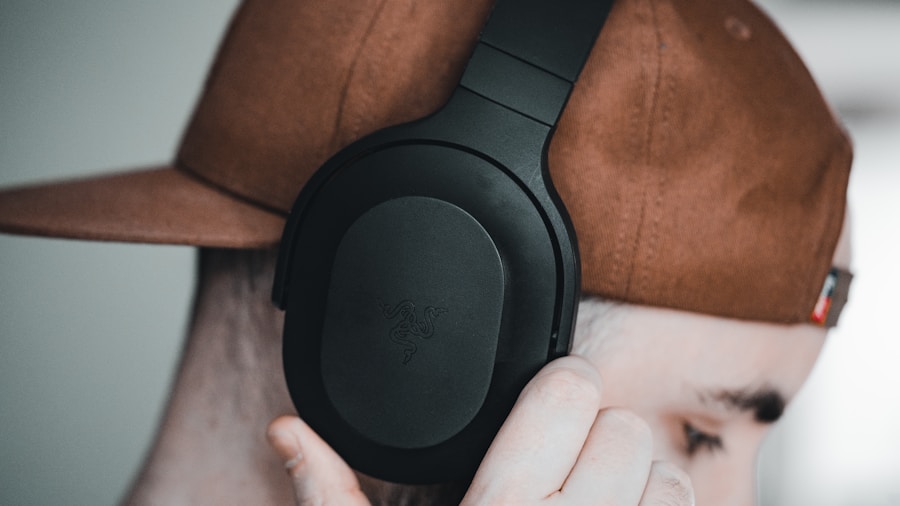
Currently, Apple, Bose, and Sony continue to seal batteries inside their flagship headphone models. These companies have long defended this design choice as necessary for premium build quality and durability. However, that argument is becoming harder to maintain. Sennheiser has already proven it is possible with the Momentum 5, and other manufacturers including Fairphone, Cambridge Audio, SteelSeries, and Noble have successfully implemented replaceable batteries in their headphones. Many consumer comments revealed that replaceable batteries were the deciding factor in purchasing these alternative brands.
Removing and replacing the battery typically requires minimal effort. On models that support this feature, you simply pop off the driver housing, lift out the battery, and disconnect it from its connector. This straightforward process demonstrates that the technology is neither complex nor prohibitively difficult to engineer.
What About Earbuds and Smaller Headphones
Some debate emerged around whether the requirement should apply to all headphone types. True wireless earbuds, with their tiny water-resistant shells, present a more challenging engineering problem than full-size or on-ear models. While the physical constraints are tighter, manufacturers have not yet proven it is impossible. Industry observers are watching to see whether Sennheiser will include replaceable batteries in their upcoming Momentum True Wireless 5 earbuds.
Beyond batteries themselves, several respondents noted that other components fail regularly too. Drivers and hinges often wear out before battery degradation becomes a problem, particularly in some popular brands. This observation suggests that consumers ultimately want broader repairability across all major headphone components, not just swappable batteries.
Legal Requirements Are Coming
This consumer demand is not happening in isolation. California, Colorado, Minnesota, New York, and Oregon have all enacted right-to-repair laws. More significantly, the European Union will mandate removable batteries in most consumer electronics starting in 2027. Although headphones have not yet been fully drawn into these regulatory battles, that exemption likely will not last. Once major markets require replaceable batteries, companies selling globally will face pressure to standardize this feature worldwide.
The survey responses included few vocal defenders of sealed batteries on principle. Even skeptics acknowledged the limitations of the current design philosophy. With multiple manufacturers having already demonstrated that replaceable batteries are feasible, the industry’s remaining argument that “it is too hard” carries little weight anymore.
What This Means for Shoppers
Consumers considering a headphone purchase now face a choice. Major brands continue offering sealed battery designs, but alternatives exist from manufacturers who have already embraced user-replaceable batteries. The 95 percent consensus suggests that shoppers increasingly value long-term durability and repairability over brand loyalty alone.
As regulatory requirements tighten and consumer preference becomes crystal clear, the remaining question is which major audio brands will adapt their design philosophy first. The data indicates that waiting too long could cost these companies customer loyalty and market share to competitors who have already answered what listeners want.







Write Your Review
No reviews yet. Be the first to share your experience!