

A Computing Relic Valued at Nearly a Million Dollars
A fully functional Apple 1 motherboard bearing the signature of Steve Wozniak is preparing to hit the auction block at Bonhams in New York this fall. The piece, which experts estimate could fetch anywhere from $500,000 to $800,000, represents one of the most significant artifacts from the earliest days of personal computing. This particular unit, known as the Hatfield Apple 1, last sold in 2013 for $686,000, making it a closely watched item among collectors and technology historians.
What Makes This Motherboard Special

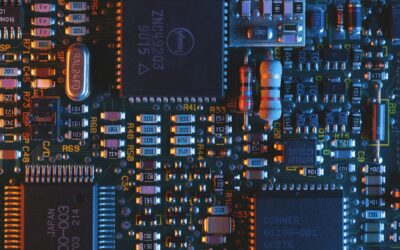
This is not a dusty relic confined to a museum display case. According to the auction house, the motherboard remains in pristine working condition, complete with its original MOS Technology 6502 microprocessor, 8KB of RAM, keyboard interface, and three authentic Sprague capacitors from the original manufacturing period. The board itself carries the original 1976 copyright label, identifying it as an Apple Computer 1 from Palo Alto, California.
What elevates this piece beyond typical vintage computer hardware is its provenance. The motherboard arrives with a signed letter from Steve Jobs, dated 1978, addressed to the original owner, Fred Hatfield. In the correspondence, Jobs, then Vice President of Operations at Apple Computer Inc., authorizes the exchange of this Apple 1 system for an upgraded Apple II 4k board, addressing Hatfield’s concerns about software availability. That direct connection to both Wozniak and Jobs makes this unit extraordinarily valuable to serious collectors.
Complete System and Documentation Included
The Apple 1 system being auctioned includes far more than just the motherboard itself. Buyers will receive a period-appropriate monitor, a cassette recorder for data storage, two ASCII keyboards, and original documentation from the late 1970s. The lot includes an original Apple 1 Operation Manual, a Preliminary Apple BASIC Users Manual with the vintage Newton logo on its green cover, and an Apple 1 Cassette Interface manual. These materials provide valuable historical context for understanding how the earliest personal computers actually functioned in their original operating environment.
If you are shopping for tips on choosing the right motherboard, modern selections offer far different considerations, but the engineering principles Wozniak pioneered remain foundational to computer design today.
Historical Context and Rarity
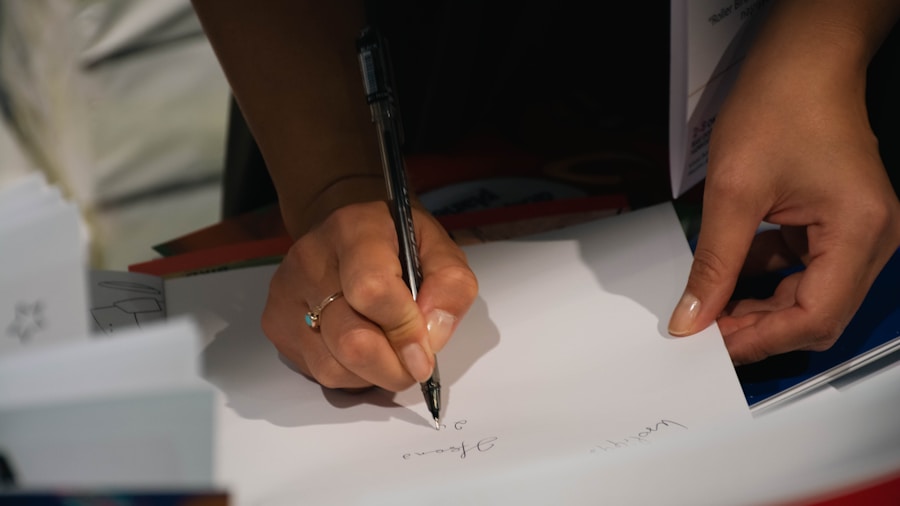
The Apple 1 represents a pivotal moment in technology history. Steve Wozniak personally designed and hand-built these computers, with Wozniak signing each unit. Fewer than 200 Apple 1 systems were ever manufactured. The first batch, consisting of 50 units, sold in the summer of 1976 at the Byte Shop. Fred Hatfield, working at Computer Data Systems in Columbus, Ohio, purchased his unit from the second production batch later that same year. Given that only a handful of these machines survive today, and even fewer retain working components and authentic signatures, this Hatfield unit ranks among the most desirable Apple computing artifacts in existence.
What the Auction Estimates Mean for Bidders
The current valuation range of $500,000 to $800,000 may seem conservative compared to the 2013 sale price of $686,000, but auction houses often set lower estimates to attract broader bidding interest and competition. Today’s computing market may include innovative high-end motherboards with cutting-edge features, but this Apple 1 operates in an entirely different category. It represents investment-grade technology memorabilia rather than a functional computing device.
The auction will take place as part of the History of Science, Technology and Computing sales event, running October 4 through October 14 at Bonhams in New York. Online participation is available, allowing bidders from around the world to compete for this piece of computing history. Whether you are a serious technology historian, an Apple enthusiast, or a collector of rare computing artifacts, this sale offers a rare opportunity to own one of the most significant motherboards ever manufactured.
For those interested in understanding how motherboard technology has evolved, exploring contemporary motherboard developments provides fascinating perspective on how far design and capability have advanced since Wozniak’s groundbreaking work in 1976.




Write Your Review
No reviews yet. Be the first to share your experience!