

Intel’s New Direction on Memory Could Change How CPUs Are Built
Intel’s chief executive officer recently announced that the company is exploring a significant shift in strategy, one that could reshape processor design and performance for consumers in the coming years. The move signals a major pivot toward memory innovation, an area that Intel abandoned decades ago but now views as strategically vital. For shoppers evaluating processors and building systems, this development carries important implications about where chip technology is heading.
The company is investigating ways to integrate memory directly with processors through stacking technology, a method that could improve performance and efficiency. This isn’t a casual exploration, either: Intel has already recruited a former executive from a leading memory manufacturer to lead these initiatives, signaling serious commitment to the effort.
Why Memory Suddenly Matters for CPU Development
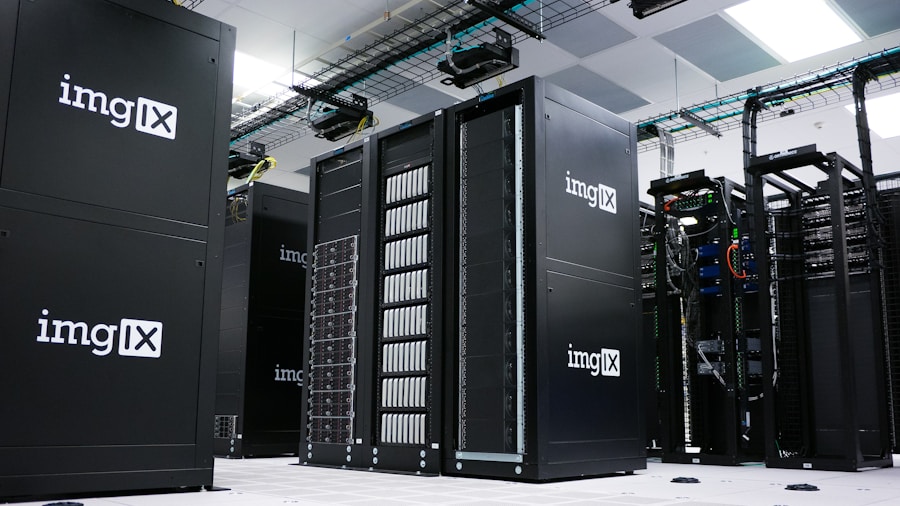
For years, memory was considered a commodity business, a low-margin operation that major chip companies avoided. That changed dramatically as artificial intelligence data centers began consuming enormous quantities of advanced memory chips. High-performance memory became scarce and valuable, transforming it from a commodity into a strategic asset with strong profit margins.
Intel’s leadership now recognizes this shift. Rather than viewing memory as separate from processor development, the company is exploring how CPUs can work more efficiently with custom memory architectures. The idea of stacking memory directly atop a processor creates intriguing possibilities: reduced latency, better bandwidth, and more compact designs that could benefit everything from gaming rigs to workstations.
Historical Context: Intel’s Complex Memory Past
Intel actually started as a memory company in 1968 before pivoting to processors. The company remained a competitive memory maker through the 1980s until Japanese manufacturers took over the market, forcing Intel to exit completely. Over the decades, Intel attempted comebacks in specialized memory segments, including NAND flash and Optane technology, but each initiative eventually shut down.
The company’s leadership learned from these experiences. Building competitive memory manufacturing requires massive capital investment, advanced fabrication facilities, and years of research and development. However, the current profitability of memory makers suggests the timing might be more favorable now than during previous Intel attempts.
What This Means for PC Builders and System Buyers
If Intel successfully develops integrated memory and CPU solutions, the benefits could trickle down to consumers relatively quickly. Processors designed with custom memory could offer better streaming and multitasking performance, while others might focus on gaming efficiency or content creation workloads. The company could introduce processors with integrated high-bandwidth memory, similar to solutions already found in data center chips and some gaming GPUs.
This wouldn’t necessarily mean Intel would manufacture all its own memory from scratch. The company could pursue partnerships, licensing agreements, or targeted investments in specific memory technologies. The appointment of a veteran memory executive suggests Intel is serious about understanding market opportunities rather than building everything internally.
Realistic Expectations and Timeline
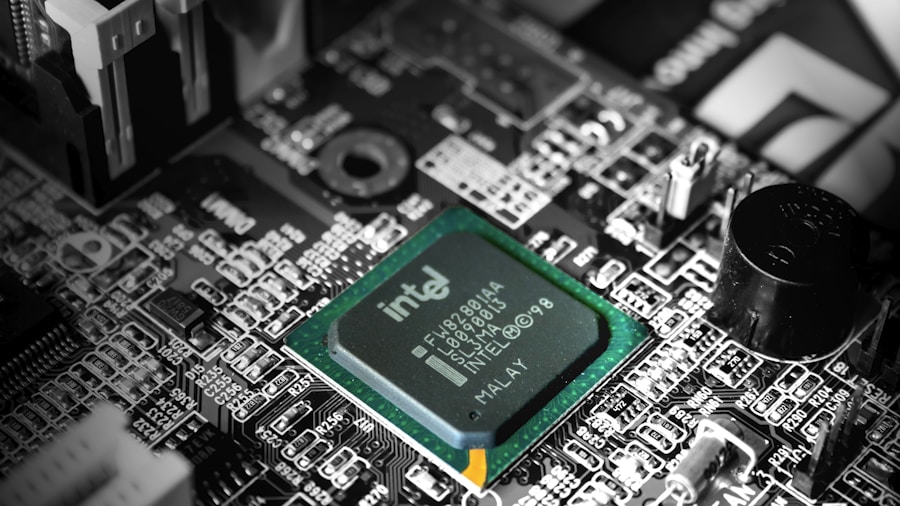
It’s important to maintain realistic expectations about timelines. Major manufacturing transitions typically take years to develop, test, and bring to market. Intel is currently working on improving its core processor competitiveness and expanding its foundry services, so memory integration will likely be a gradual addition rather than an immediate overhaul.
Additionally, some industry observers question whether Intel’s current financial situation allows for major diversification into memory manufacturing. The company faces significant competition from AMD and other chip designers, plus mounting pressure to improve its foundry services business. Investors may scrutinize capital allocation carefully, particularly if it diverts resources from core processor development.
The Bigger Picture for CPU Technology
Regardless of Intel’s specific path forward, the conversation around memory and processor integration reflects broader industry trends. Leading chip companies are rethinking traditional processor architecture as performance demands from AI, gaming, and professional applications continue climbing. Stacking memory with processors represents one answer to increasingly complex computing challenges.
For consumers shopping for processors today, this doesn’t require immediate action or concern. Current and upcoming Intel processors will deliver strong performance regardless of these strategic explorations. However, keeping an eye on memory and processor integration trends helps you understand where the industry is heading and what capabilities future systems might offer.






Write Your Review
No reviews yet. Be the first to share your experience!