

Intel has made a significant commitment to the consumer desktop market, and DDR4 enthusiasts have reason to celebrate. In a recent discussion, Intel’s VP of Enthusiast Channel Business revealed that DDR4 platforms will remain a core part of the company’s consumer lineup for years to come, with dedicated product releases extending through 2030.
DDR4 Demand Resurges Unexpectedly
The enthusiast PC market has experienced a surprising shift in buying patterns. Older DDR4 compatible processors from Intel’s 10-nanometer generation, particularly Raptor Lake and Alder Lake chips, have seen renewed demand as budget-conscious builders seek the fastest performance available at lower price points. Motherboard manufacturers responded by reintroducing DDR4 boards with LGA 1700 socket compatibility, acknowledging this unexpected market appetite.
The surge in DDR4 CPU pricing reflects genuine consumer interest in these platforms. When builders compare their options, Raptor Lake and Alder Lake processors deliver gaming and application performance that competes favorably with newer platforms at significantly lower costs. This has created supply mismatches that Intel initially did not anticipate, but the company is now treating DDR4 as a strategic priority rather than legacy support.
What Intel’s Roadmap Means for Your Build
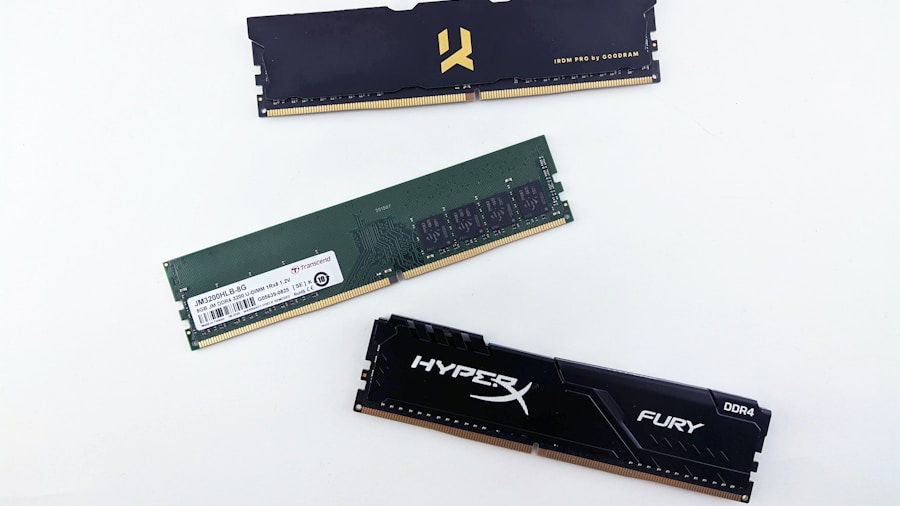
Intel’s leadership has confirmed that LGA 1700 remains a good socket and that many consumers still want DDR4, making continued support a business focus. The company is accelerating its desktop CPU release cadence faster than ever before, with new products planned across multiple years. This directly benefits DDR4 platform users who were worried about the end of support.
The broader context shows a deliberate strategy to serve both premium and mainstream segments. Intel acknowledged that entry-level and mainstream PC markets face cost pressures that demand design concessions, which is why you’ll see different product stacks targeting different budgets. For DDR4 buyers, this means continued availability of reasonably priced CPUs optimized for that memory standard.
Market Segmentation Benefits Budget Builders
Rather than forcing all consumers onto the latest DDR5 platform, Intel is maintaining what industry observers expect to become a standard approach: a premium socket for cutting-edge features and a mainstream socket for affordable hardware. This split allows manufacturers to control costs while still offering performance improvements. DDR4 platforms naturally align with this mainstream positioning, making them the economical choice for PC builders watching their budgets.
Intel emphasized that its size and resources allow separate planning for consumer and data center businesses, meaning desktop products aren’t sacrificed to server demand. The company has formed a dedicated organizational structure for gaming and desktop, signaling serious commitment with real budget allocation.
Performance Still Holds Up
One key takeaway from Intel’s commentary is that 10-nanometer processors like Raptor Lake remain phenomenally capable. Recent benchmarks show 14th-generation DDR4 chips maintaining performance parity with competing platforms in gaming while offering advantages in productivity applications. For someone seeking value, a quality DDR4 platform delivers genuine capability without the premium prices of newer memory standards. When you combine this with the availability of quality DDR4 RAM optimized for overclocking, you can build a platform that grows with your needs over years.
Pricing Should Stabilize
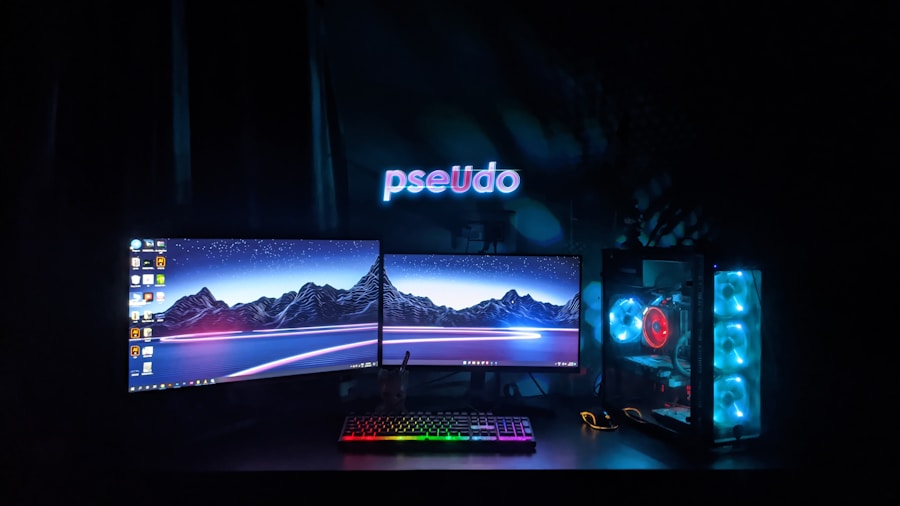
Intel acknowledged that the recent price volatility in Raptor Lake and Alder Lake processors resulted from unpredicted demand surges. Manufacturing decisions are made months in advance, and the sudden rush into DDR4 parts caught the supply chain off guard. However, Intel expects pricing to normalize over time as production aligns with demand. This is good news for shoppers planning builds in the coming months, as availability should improve and pricing should become more predictable.
The Bottom Line for Shoppers
If you’re building or upgrading a PC, DDR4 platforms remain a smart choice. Intel’s public commitment to supporting these systems through 2030, combined with continued CPU releases and stable motherboard availability, eliminates concerns about platform obsolescence. Budget-conscious builders can confidently invest in DDR4 systems knowing they’ll receive new CPU options and continued driver support.
The performance gap between DDR4 and DDR5 has proven smaller than initial marketing suggested, and when you factor in lower platform costs and the ability to upgrade CPUs without replacing memory, DDR4 offers genuine value. Whether you’re looking to maximize gaming performance or productivity output on a budget, modern DDR4 RAM designed for streaming and content creation pairs effectively with these Intel processors. With pricing expected to stabilize and product selection set to expand, now represents a reasonable time to commit to a DDR4 platform without worrying about obsolescence.








Write Your Review
No reviews yet. Be the first to share your experience!