

A custom engineering project has turned Apple’s M4 Mac Mini desktop computer into a fully functional handheld device, complete with a compact keyboard, touchscreen display, and onboard battery. The transformation raises important questions about the future of portable computing and what consumers should consider when shopping for keyboards and mobile workstations.
How Engineers Rebuilt a Desktop Mac Into a Handheld Device
The project, completed by Shing Solutions, stripped down the standard Mac Mini to its core motherboard and cooling system, then rebuilt everything inside a custom 3D-printed enclosure. Rather than replacing the original heatsink and fan with smaller components, the team kept Apple’s full thermal setup intact. This decision preserves the M4 processor’s performance capabilities while fitting the entire assembly into a handheld form factor.
The motherboard sits on sliding rails inside the new chassis, meaning users can theoretically remove the computing core for repairs or upgrades without disassembling the surrounding device. This modular approach differs significantly from traditional laptops or portable computers, where components are typically fixed in place.
The Keyboard and Control Setup
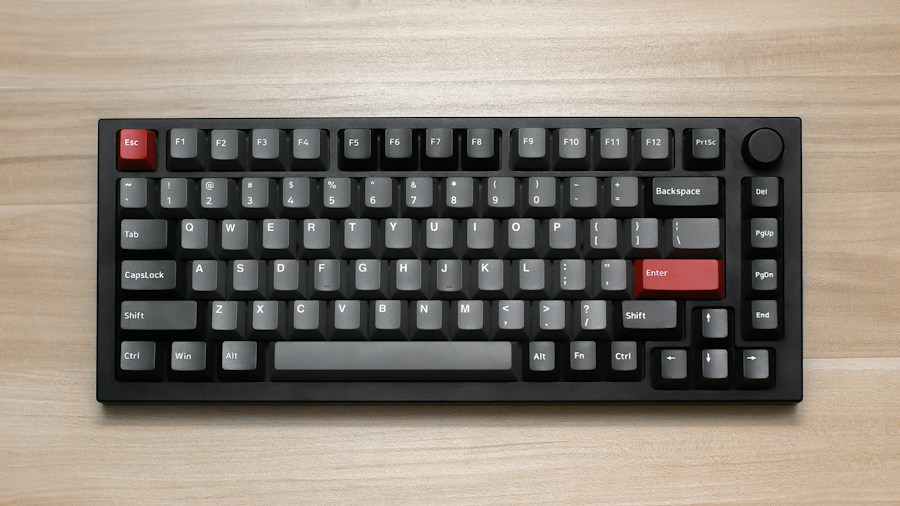
Central to making this handheld Mac practical is its integrated keyboard. The device features a compact QWERTY keyboard positioned beneath a 7-inch touchscreen, paired with an integrated trackpad for cursor control. The keyboard was originally designed as a wireless peripheral, but engineers removed its battery and rewired it to draw power directly via USB from the main computer. This approach reduces the number of separate batteries that need charging and simplifies the overall power management system.
The keyboard modification is significant for shoppers to understand: it shows how traditional peripherals can be adapted for portable setups. If you’re considering gaming keyboard tips for smart shoppers, similar principles apply to any keyboard you purchase for mobile or desktop use. Checking whether a keyboard can operate via wired USB, rather than relying solely on wireless connectivity, gives you flexibility in how and where you use it.
The handheld also incorporates physical gaming controls salvaged from Nintendo Joy-Con charging grips, mounted on both sides of the enclosure and wired directly into the system. However, macOS does not natively support wired Joy-Con controllers, so the project relies on Steam’s controller mapping system to make the controls work with compatible games.
Connectivity and Power Management
Fitting a full desktop motherboard, keyboard, touchscreen, controllers, and trackpad into a compact handheld enclosure created significant USB bandwidth challenges. Engineers solved this by combining two miniature USB splitter boards into a custom three-port hub, allowing all peripherals to connect simultaneously without overwhelming the system’s limited ports.
Powering the entire device required a custom power delivery system connected to rechargeable battery cells built into the enclosure. The addition of handles and a thoughtful internal layout ensures the device remains comfortable to hold while housing all these components. This level of integration demonstrates what modern portable computing could look like if manufacturers chose to pursue truly handheld versions of their desktop platforms.
What This Means for Consumers
This project illustrates that compact keyboards and portable computing setups are feasible with careful engineering, even when starting with full-sized desktop hardware. For buyers shopping for keyboards intended for travel or portable use, the Mac Nano demonstrates several key features worth prioritizing: wired connectivity options for reliability, compact QWERTY layouts that don’t sacrifice functionality, and power efficiency that minimizes battery drain.
The 7-inch 120Hz touchscreen running at high refresh rates shows how display technology can enhance portable computing beyond traditional laptop screens. Meanwhile, the modular approach to the computing core suggests that future portable devices might benefit from user-replaceable or upgradeable components, a feature largely absent from modern laptops.
While this is a custom one-off project rather than a consumer product, it pushes the conversation about what portable Apple silicon computing could become. Shoppers interested in premium portable keyboards should look for similar attention to integration and power efficiency. Additionally, if you’re evaluating mechanical or wireless keyboards, understanding modular keyboard design can help you choose options with better upgrade paths and repair potential.
The Mac Nano also raises expectations for what desktop-class performance means in a handheld context. Unlike typical mobile devices, this handheld retains full macOS functionality without compromise, running the same M4 chip and original thermal system as the desktop version. For professionals considering portable workstations, that’s a significant distinction worth understanding as you evaluate your keyboard and computing setup needs.




Write Your Review
No reviews yet. Be the first to share your experience!