

A Fresh Take on Hearing Protection in Audio Gear
Hearing damage from personal audio devices has become a genuine concern for millions of people worldwide. Medical organizations estimate that roughly one third of adults in both the US and UK experience some degree of hearing loss, and everyday use of in-ear audio equipment certainly plays a role in this trend. The small drivers placed directly into ear canals, combined with the way people unconsciously raise volume when uncomfortable, creates a perfect storm for long-term hearing problems.
Now a new product is challenging the industry standard by prioritizing listener safety without sacrificing audio quality. A brand called Saccater recently launched the aéra in-ear monitors on Kickstarter, and the response has been overwhelming. The campaign set a modest funding target but has already exceeded it by nearly 700 percent, demonstrating that consumers actively want hearing-conscious audio solutions.
What Makes These Earbuds Different
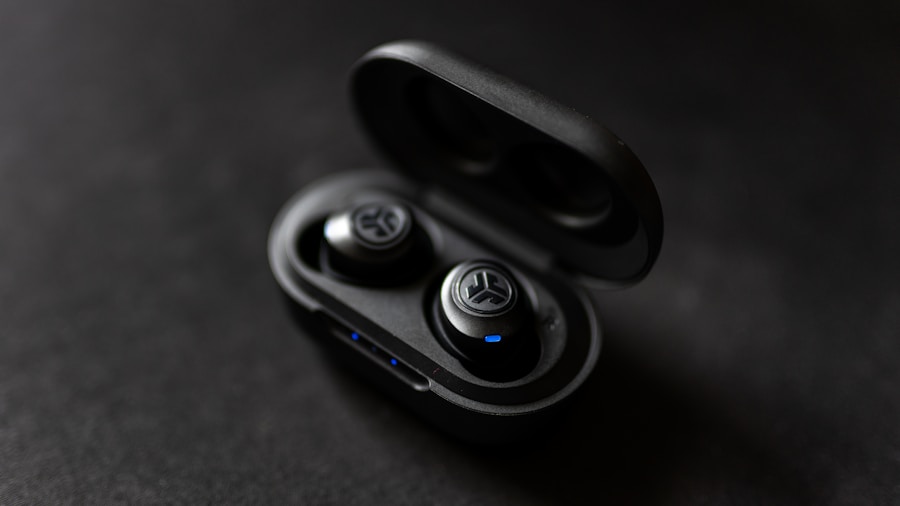
The aéra feature professional-grade specifications including 9.6mm planar magnetic drivers and silver-plated copper wiring, positioning them as legitimate audiophile gear. However, they incorporate design principles specifically intended to reduce hearing strain. Each bud weighs just 4 grams and uses what Saccater calls a ‘zero-pressure fit’ that minimizes ear fatigue during extended listening sessions.
The reasoning behind this approach is straightforward: when earbuds cause discomfort, listeners subconsciously increase volume to compensate, actually worsening potential hearing damage. By eliminating physical strain, the aéra reduce the urge to crank up the sound. The package includes a comprehensive hearing manual with best practices guidance, plus complementary earplugs for situations where audio blockage is appropriate rather than music delivery.
From a performance perspective, the aéra support 24-bit audio at 96kHz with a frequency response spanning 20Hz to 20kHz, meeting professional monitoring standards. The design aesthetic also stands apart from typical modern earbuds, featuring understated styling instead of the flashy or heavily textured finishes found on most competitors. Multiple ear tip options accommodate different ear shapes and sizes.
Market Signal and Consumer Priorities
The Kickstarter success tells an important story about shifting consumer values. With each pair priced at approximately $110 and delivery scheduled for October 2026, backers clearly believe in paying for hearing health innovation. The campaign attracted HK$210,000 in pledges against a HK$30,000 goal, indicating strong demand for this category of product.
This momentum reflects broader awareness about personal audio safety. People are increasingly asking whether their favorite earbuds serve their long-term wellbeing, not just their immediate listening preferences. Whether you’re shopping for gaming displays or audio gear, the principle applies: quality equipment should enhance your experience without harming your health.
While independent testing data on the aéra’s actual hearing protection effectiveness remains limited, the overwhelming backer response suggests consumers feel confident in Saccater’s approach. The company has previously developed specialized earplugs for various everyday tasks, lending credibility to their hearing-focused philosophy.
What This Means for Your Earbuds
If you currently use standard in-ear monitors or wireless earbuds, the aéra campaign offers useful perspective on features to prioritize. Light weight, comfortable fit, and thoughtful design matter more than you might assume. Additionally, paying attention to volume levels and giving your ears regular breaks from audio represents proven hearing preservation strategy.
For those shopping for new earbuds now, examining comfort and weight specifications is worth your time. Many mainstream options neglect these factors in favor of aesthetic appeal or aggressive marketing claims about driver size. The success of hearing-focused alternatives suggests this gap in the market was overdue for attention.
When evaluating any personal audio device, consider how it feels after thirty minutes of use, not just how it looks. Convenience matters, but hearing health lasts a lifetime. The aéra example demonstrates that you don’t need to choose between audio quality and responsible listening practices. As more brands recognize this opportunity, shoppers gain better options for protecting their ears while enjoying music, podcasts, and other audio content.








Write Your Review
No reviews yet. Be the first to share your experience!