

The Memory Price Crisis Hits Hard
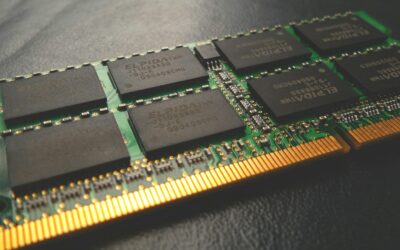
The PC building community is facing an unprecedented affordability crisis. Over the past year, DDR5 memory prices have skyrocketed to levels that would have seemed impossible just months ago. A 128GB DDR5 kit that once sold for roughly $340 now commands $3,399, representing a tenfold increase from the lowest prices ever recorded. For shoppers accustomed to memory being a straightforward, affordable component, this shift marks a dramatic departure from historical norms.
The numbers tell a sobering story. DDR5 kits have experienced year-over-year price increases approaching 500 percent. A standard 64GB DDR5-5600 kit that cost under $200 last summer now exceeds $1,100. Even more modest memory configurations face substantial jumps: a kit priced at $72 a year ago now sells for $392. The stability and predictability that once made memory shopping a reliable part of PC budgeting have vanished.
DDR4 Users Not Safe Either
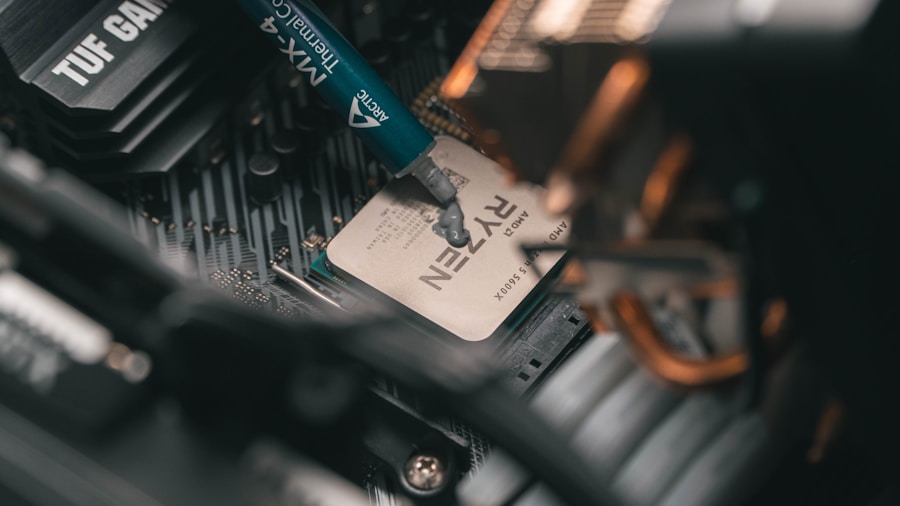
If you believed sticking with older DDR4 platforms would shield you from price pain, think again. While DDR4 has not experienced the catastrophic increases affecting DDR5, prices have still climbed 120 to 180 percent across the board. A DDR4 kit that cost $105 last year now costs $281. This surge stems from PC builders abandoning new DDR5 builds and flooding the used and current DDR4 market, creating secondary demand shock waves.
Shoppers considering whether to upgrade or maintain their current systems face a genuine dilemma. Intel continues backing DDR4 platforms through 2030, meaning older systems remain viable investment alternatives. However, memory costs across both standards have become prohibitively expensive compared to eighteen months ago.
Why Prices Are Exploding
The root cause lies in artificial intelligence infrastructure demand. Major cloud and datacenter operators have essentially locked in almost all global DRAM production capacity for 2027, paying advance deposits to guarantee supply. This leaves PC makers, smartphone manufacturers, and consumer-focused brands fighting for leftover inventory as lower-priority customers.
The financial incentives are enormous. All four major memory vendors, SK Hynix, Samsung, Micron, and CXMT, have doubled or tripled their revenues within a single year. Standard DRAM chips now command over half the per-kilogram value of solid gold, making memory among the world’s highest-value commodities by weight.
Additionally, High Bandwidth Memory manufacturing for AI accelerators demands many individual DRAM layers, which diverts production resources away from standard consumer memory chips. Industry executives offer little hope for near-term relief. SK Hynix’s CEO warned that 2027 will mark the worst year for memory supply in industry history, with demand outpacing production capability through 2030. Other executives have suggested this shortage could persist for a full decade.
What Buyers Should Do Now
The situation extends beyond the United States. European memory prices have climbed 345 percent compared to September 2025, and SSD and hard drive costs have risen over 125 percent in the same window. This global pressure affects availability and pricing everywhere.
For shoppers facing these conditions, realistic options are limited. You can accept current premium pricing if you need to build or upgrade today. Alternatively, you can reduce memory requirements and operate with less capacity than ideal. Researching the best DDR5 RAM options available helps identify which brands and models offer the best value within the current market, though value is admittedly relative.
For those running older systems, the question becomes whether maintaining current hardware remains more economical than upgrading. Given that both DDR4 and DDR5 remain expensive, delaying a platform switch until prices normalize may prove financially prudent. However, nobody can predict when that normalization will occur.
The Road Ahead
For consumer prices to drop meaningfully, the AI infrastructure market would need to contract significantly, triggering financial market corrections worldwide. Absent such a shift, memory vendors see no reason to lower prices. The era of affordable, plentiful memory has ended, at minimum for the near term. PC builders will need to adjust expectations and budgets accordingly, prioritizing strategic purchases and accepting that memory upgrades represent major expense items rather than routine affordable improvements.


Write Your Review
No reviews yet. Be the first to share your experience!