

A New Manufacturing Breakthrough Enters the OLED Monitor Market
MSI has officially announced the PRO MAX OLED 271UPJW12, marking a significant milestone as the world’s first OLED monitor built using inkjet printing technology. The panel comes from TCL CSOT, a Chinese manufacturer now challenging the long-standing dominance of Samsung and LG in the professional monitor space. This development introduces a new production method that could reshape the OLED monitor landscape and expand available options for demanding users.
What Makes This Monitor Different

The inkjet printing process represents a departure from traditional OLED manufacturing techniques. Rather than using conventional deposition methods, TCL CSOT applies organic light-emitting materials with precision using advanced printing technology. This approach promises improved color performance, higher energy efficiency, and potentially better cost-effectiveness, all factors that could influence future pricing across the OLED monitor category.
The 27-inch display delivers 4K resolution (3840 x 2160) with an RGB-stripe sub-pixel layout, the industry standard for sharp text and image clarity. The 120Hz refresh rate positions this as a professional tool rather than a gaming device, though that specification remains competitive for content creation and design work. When you’re researching high-refresh OLED displays, gaming monitors with 240Hz options exist, but this monitor’s target audience prioritizes color accuracy over speed.
Professional-Grade Color and Eye Health Features
MSI equipped this monitor with factory calibration delivering color accuracy below 2dE, meaning virtually imperceptible color shifts to the human eye. The panel covers 99.1% of the DCI-P3 color space and includes Pantone validation, essential credentials for photographers, video editors, and designers. The VESA DisplayHDR True Black 500 certification actually exceeds what current competing 27-inch 4K models offer, providing deeper blacks and superior contrast for HDR content.
Eye protection stands out as a primary feature. The display carries TÜV certification for hardware-based blue light reduction and flicker-free operation. More impressively, it holds Eyesafe 3.0 certification, which restricts harmful blue light emissions to 20 percent or less. The monitor also meets the Circadian Protection Factor standard, designed to minimize sleep disruption from evening screen exposure. For professionals spending eight or more hours daily at their desks, these certifications address real health concerns.
OLED Longevity and Real-World Use
One barrier preventing some shoppers from choosing OLED monitors has been burn-in risk and the interruptions caused by traditional anti-burn-in protection measures. MSI addresses this with OLED Auto Care technology, which applies Data Counting Compensation in real-time rather than forcing disruptive refresh pauses. This means uninterrupted workflow without the aggravating prompts that historically interrupted professional sessions.
TCL CSOT has invested over a decade in inkjet printing OLED development, recently opening a dedicated 8.6-generation production facility in Guangzhou. This manufacturing maturity suggests the technology has moved beyond experimental stages. Compared to newer OLED gaming displays still finding their market position, this professional monitor benefits from substantial R&D backing.
Connectivity and Practical Design
The monitor includes DisplayPort 1.4, USB-C with 15W power delivery, two HDMI 2.1 ports, and USB-A connections. A KVM switch function allows seamless control across multiple connected devices, valuable for professionals managing workstations and laptops simultaneously. Picture-in-Picture and Picture-by-Picture modes enable simultaneous display of multiple input sources. The stand offers complete adjustability: tilt, height, swivel, and rotation, accommodating various desk setups and ergonomic preferences. The white design aesthetic suits modern professional environments differently than the darker bezels common on gaming monitors.
Availability and Pricing
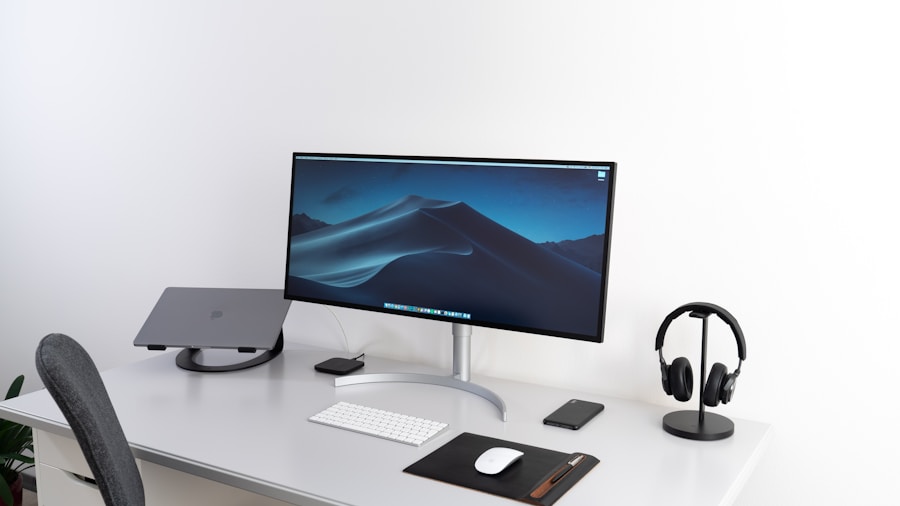
Mass production begins September 26, with general availability expected around January 27. The anticipated US price of $699 positions this competitively within the professional OLED segment, potentially lower than equivalent QD-OLED offerings depending on regional pricing. International pricing remains pending, but early indications suggest reasonable positioning globally.
What This Means for Monitor Shoppers
This release expands the OLED monitor ecosystem beyond Samsung and LG’s established offerings. TCL CSOT’s entry introduces manufacturing diversity, which historically drives innovation and competitive pricing. For professionals hesitant about OLED due to burn-in concerns or historical limitations, the Auto Care technology and professional-grade color validation offer meaningful reassurance. When evaluating professional monitors, particularly those supporting creative work, this new option deserves serious consideration. The inkjet printing breakthrough suggests that OLED panel costs may decline over time, potentially making OLED technology more accessible across monitor price tiers in coming years.







Write Your Review
No reviews yet. Be the first to share your experience!